Red Cross and the Minneapolis Tornado

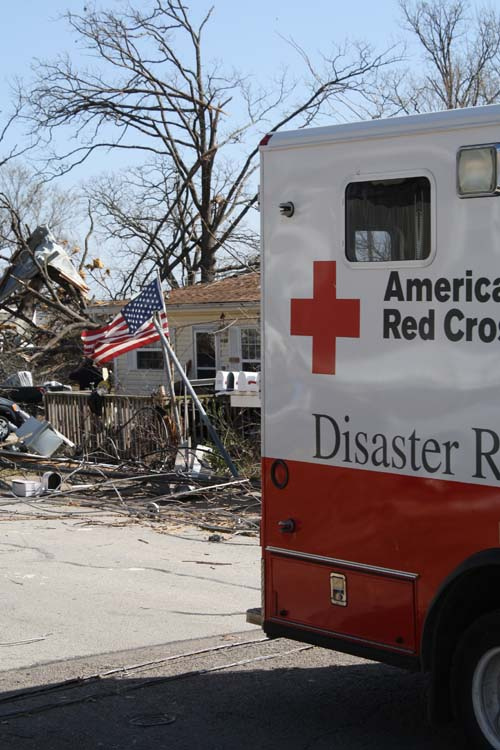
A year ago, May 22, 2011, an EF1 tornado swept through Minneapolis, mostly on the North Side where it ripped up homes and trees, displaced hundreds of our neighbors, killed two people, and injured dozens of others. The American Red Cross responded immediately, providing safe shelter, food, water, and emotional support to survivors. Like others, right now we’re remembering this tragic event. Watch our tribute video.

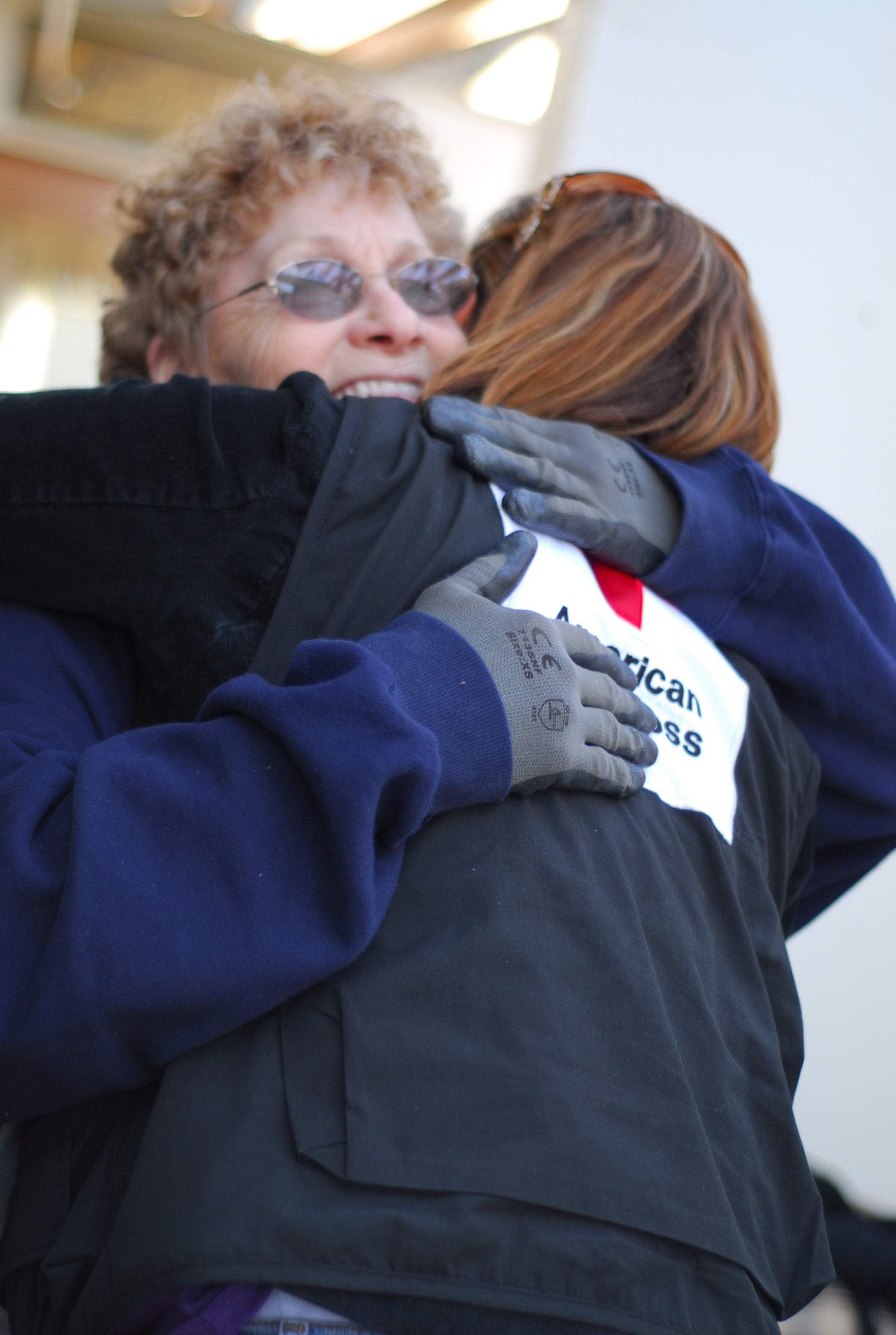
Disaster relief workers at the Red Cross shelter lifted spirits and gave people a shoulder to cry on. They connected displaced families with a network of organizations focused on long-term recovery. In all, the Red Cross provided 1,377 overnight stays for people with no place else to go and more than 151,000 meals and snacks. (Photo credit, left: Amanda Mark, American Red Cross)

“People often enter a shelter at their lowest point. Sometimes that’s really what people need…someone to support them and provide energy they don’t have.” A Red Cross Shelter Worker responding to the Minneapolis tornado that hit May 22, 2011.

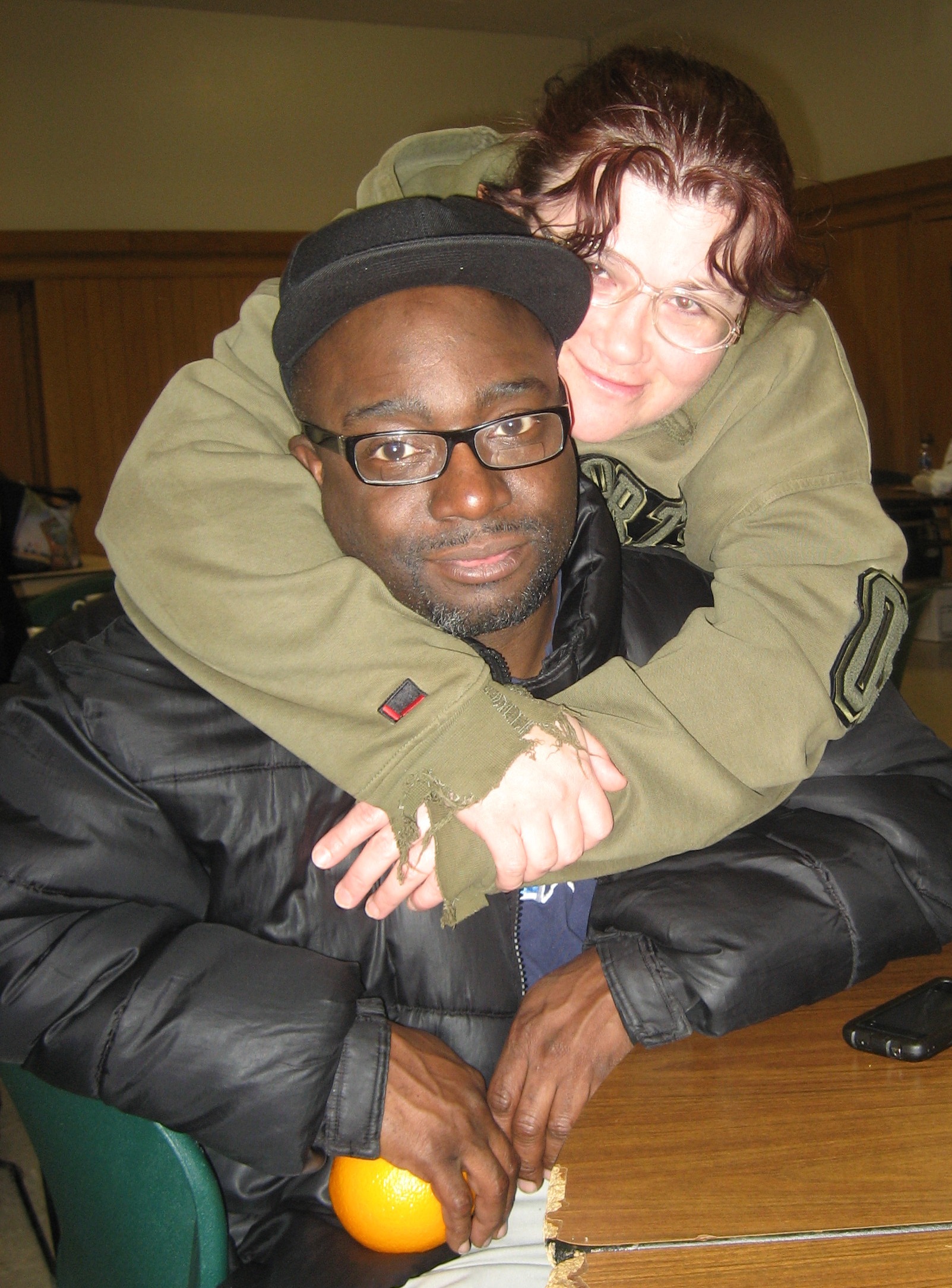
Red Cross emergency disaster relief also includes distribution of bulk items, such as blankets, personal hygiene items, and cleaning supplies. Red Cross workers distributed more than 10,800 such items, including 1400 comfort kits for individuals, to meet basic needs after the tornado. (Photo credit, left: Carrie Carlson-Guest, American Red Cross)

“Thank you Red Cross! We’re getting what we need thanks to you.” A Minneapolis Tornado Survivor after receiving relief supplies from the Red Cross.


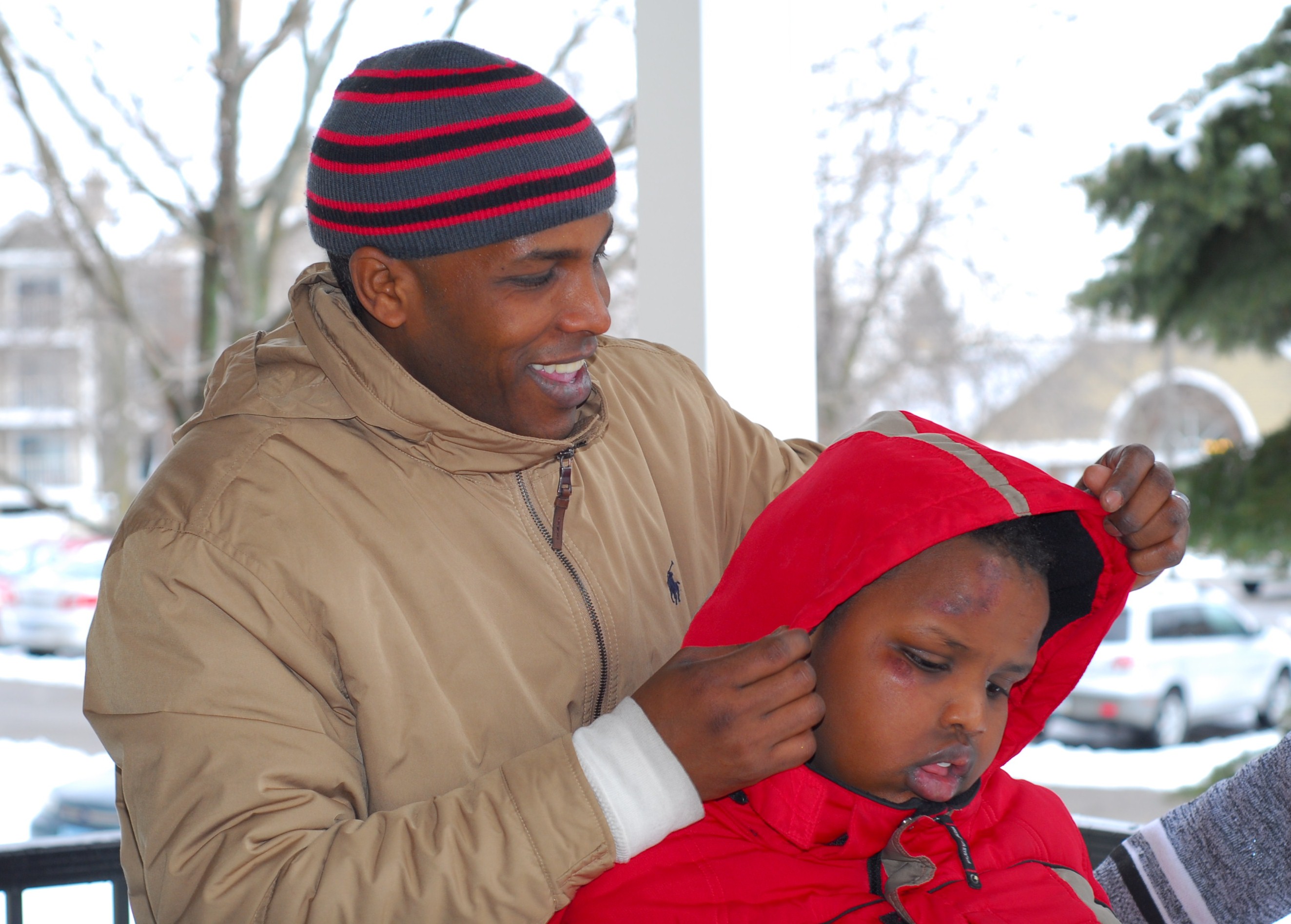
Disasters affect everyone, adults and children alike. Red Cross disaster mental health volunteers responded and met with individuals and families, providing more than 2,800 health and mental health consultations to help people cope with the tornado, its destruction, and the stress of rebuilding a life after disaster. (Photo credit: Lynette Nyman, American Red Cross)

“Without the American Red Cross we would have nowhere to go.” A Tornado Survivor who relied on the Red Cross shelter for many nights after the disaster.


More than 350 Red Cross workers were part of the Minneapolis tornado relief operation. Ninety-five percent were Red Cross volunteers from Minnesota and around the country who contributed more than 25,000 volunteer hours worth nearly $600,000. (Photo credit, left: Lynette Nyman, American Red Cross)

“Thank you, thank you, thank you.” From everyone…


The Red Cross relies on donated money and goods from individuals and organizations to help our community. Donations for Red Cross disaster relief from the storm included $525,000 in money and $188,000 in goods – totaling $713,000. However, due to the scope of the disaster, the Red Cross spent $793,000 on the response – $80,000 more than what was donated – to help those in need.   (Photo credit, left: Anne Florenzano, American Red Cross)

If this post inspires you, consider becoming a part of the Red Cross. There’s a place for everyone. You could give time, money, or blood. You could help us prepare for the next disaster, tornado, or emergency. You could learn CPR or First Aid. You could provide comfort when people need it the most. Learn more on our website.

“Many many thanks…” From all of us…
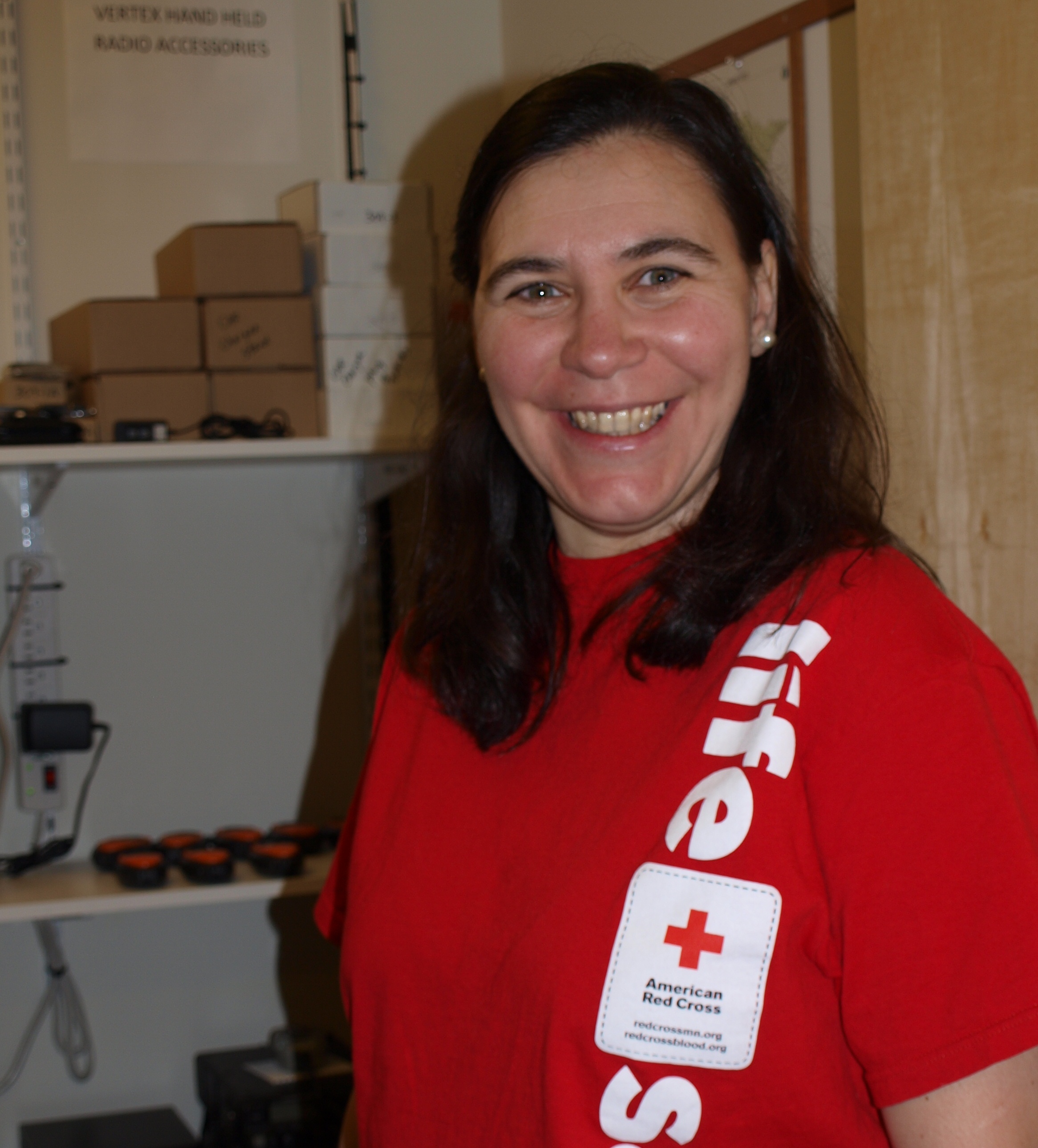
¡Muchas Gracias Viviana!

Thanks to Red Cross worker Viviana Sotro thousands of people in Minnesota’s diverse communities are safer and better prepared for emergencies here in Minnesota.

This month way say “adios amiga” to our friend and co-worker Viviana Sotro who has accepted an executive director position at a local Latino family organization.

For twelve years, Sotro has provided emergency preparedness education to thousands of people across the Minneapolis-St.Paul metro area. In the Latino community alone, she has reached around 10,000 people with safety & preparedness education, which she believes is worthwhile. “I can say, yes, preparedness education makes a difference. I can see it on their faces. They say, now I know.”

Trained as a Red Cross EMT in Argentina, Sotro has long understood that diverse communities in Minnesota might need to learn about being safe during severe weather and other emergencies. “I could relate to them because most people from Latin countries have never experienced tornadoes.” In 2002, Sotro joined the Red Cross in Minnesota as a volunteer and the following year she accepted a staff position. Later, she became the community outreach manager guiding staff and volunteers in their work teaching people from Africa, Asia, and Latin America who now make Minnesota their home. “I really like to be respectful of other cultures. Everyone has something unique to appreciate.”

Although Sotro is departing her Red Cross job, she plans to continue being involved as a volunteer. Her hope, she says, is that diverse community engagement with the Red Cross increases. “I would like to see more Latinos wearing Red Cross t-shirts as volunteers.” She would especially like to see more people from diverse communities become Red Cross instructors, disaster relief workers, and good samaritans trained in CPR & First Aid.

Thank you, Viviana, for being a part of the Red Cross and helping to fulfill our mission to prevent and alleviate human suffering. We wish you and your family the very best.

EMS Gets New Equipment

Red Cross volunteer Sandy Witter helped raise money for new medical equipment for the EMS team. Thank you Sandy!

Our Emergency Medical Services (EMS) volunteer team has some new equipment thanks to Sandy Witter and her employer, Hollstadt & Associates, Inc. Witter, who serves as an EMS volunteer for the American Red Cross, put in numerous hours on the EMS team during Hollstadt’s “Big Give” charity program. The result was a generous financial donation that the EMS team used to purchase new medical equipment, including a backboard with straps and two pulse oximeters. The equipment will help save lives during emergencies at events both large and small across our Red Cross region. You can learn more about being a Red Cross volunteer & our EMS team on redcrossmn.org.

Why Do We Share Disaster Survivor Stories?

Image
Tornado survivor Martha Hall, 65, had no time to escape her house in West Liberty, Kentucky, on March 2, 2012. "We heard the roaring," says Hall. "It kept going and going and never stopped."

“…the brain prioritizes stories over statistics, and the more personalized the stories, the more powerful the imprint,” writes TIME contributor Amanda Ripley in her introduction to the magazine’s current special issue Time: Disasters that Shook the World. “…there is great practical value in telling stories, particularly when they are told with useful lessons attached.”

The TIME special issue marks the 100th anniversary of the RMS Titanic sinking on April 15, 1912. New research continues to teach us more about how the accident happened and why many died. Much of what we know—and what moves us emotionally to take action—comes from disaster survivor stories.

Image
In this corner, covered with a mattress and blankets, Martha Hall and her brother survived the the tornado. "It went BOOM," says Hall. "We could feel the house move."

The Red Cross knows this. We provide essential disaster relief to the most vulnerable among us. During relief response, we have the privilege of serving as listeners while people talk to us about remarkable acts of courage, strength, and resilience. We share their stories because personal accounts inspire you to give money for disaster relief, to take steps for being prepared for emergencies, and to become a Red Cross volunteer who makes disaster relief happen.

Image
Red Cross disaster relief worker Anita Foster hugs Martha Hall, who was recovering personal items from her home destroyed by the March 2 tornado in West Liberty, Kentucky.

During this time of remembering the Titanic, we encourage you to continue to learn about people affected by disasters here and around the world. Additional ready resources include redcross.org, ifrc.org, and icrc.org.

Post and images by Lynette Nyman, American Red Cross. Amanda Ripley is the author of The Unthinkable: Who Survives When Disaster Strikes–and Why.

Wildfire Risk High For Much of Minnesota

Image
Samantha Schmidt, 9, spent the night at a Red Cross shelter for wildfire evacuees in Colorado. (Photo credit: RJ Sangosti / The Denver Post).

The American Red Cross is providing food and shelter in Colorado where a fast-moving wildfire has already forced hundreds of people from their homes with thousands more put on notice that they may also have to evacuate.

Wildfires in Minnesota are unlikely to occur in high density population areas, but state officials say that much of Minnesota is at increased risk of wildfires because of continued snow melt, warming weather, and dry vegetation. The risk will remain high, state officials say, until green vegetation emerges. (Source: Minnesota Department of Natural Resources)

The Red Cross encourages everyone who might be at risk or in a path of possible evacuation because of wildfires to prepare now.

IF A WILDFIRE THREATENS your neighborhood, back your car into the garage or park it in an open space facing the direction of escape. Wildfires can spread quickly, igniting brush, trees and homes. The Red Cross has important steps people can follow to lessen the threat of a wildfire. Confine your pets to one room so you can find them if you need to get out quickly. Listen to local radio and television stations for updated information, and be ready to leave at a moment’s notice. These steps will help limit exposure to smoke:

  • Keep indoor air clean by closing windows and doors to prevent outside smoke from getting in.
  • Use the recycle or re-­circulate mode on the air conditioner in your home or car. If you do not have air conditioning and it is too hot to stay inside with closed windows, seek shelter elsewhere.
  • When smoke levels are high, do not use anything that burns and adds to indoor air pollution, such as candles, fireplaces and gas stoves. Do not vacuum because it stirs up particles that are already inside your home.
  • If you have asthma or another lung disease, follow your health care provider’s advice and seek medical care if your symptoms worsen.

BEING PREPARED can be your best offense when it comes to wildfires. You should plan two ways out of your neighborhood in case one is blocked. Set up a place for family members to meet outside your neighborhood in case you can’t get home or need to evacuate. Arrange for temporary housing at a friend or relative’s home outside the area. Post emergency phone numbers by every phone in your home and in everyone’s cellphone.

Other steps you can take include:

  • Make sure driveway entrances and your house number or address are clearly marked.
  • Identify and maintain an adequate water source outside your home, such as a small pond, cistern, well or swimming pool.
  • Set aside household items that can be used as fire tools: a rake, ax, hand saw or chain saw, bucket and shovel. You may need to fight small fires before emergency responders arrive.
  • Select building materials and plants that resist fire.
  • Regularly clean roofs and gutters.

More wildfire steps and tips are available. Check out The Denver Post for more on the ongoing wildfire and response in Colorado. You can text REDCROSS to 90999 to give $10 and support Red Cross disaster relief.

Apartment Fire Survivor “Worse than Back to Square One”

On Friday, March 9, 2012, a fire burned an apartment building in Minneapolis. That afternoon at the Red Cross service center volunteer relief worker Kevin Berger spoke with two people affected by this disaster and learned more about them.

Kimberlee Overvold and Carl Robinsen survived the March 9, 2012, St. George apartment fire in Minneapolis. Photo credit: Kevin Berger/American Red Cross

Kimberlee Overvold was at the temporary Red Cross service center just a few blocks from where she had lived for 11 months before a fire destroyed the St. George apartment building on 17thStreet. She was trying to collect herself and figure out her next steps. Overvold and her boyfriend were in the process of finding a bigger apartment but then the fire took it all away. Overwhelmed with the emotion of the situation she said,“I keep thinking I’m going to wake up and it’s going to be a dream.”

They had just gone to bed around 1:45 a.m. when the fire alarms sounded at 2 a.m. Kimberlee said at first they thought it was a false alarm because even as they headed out of the building there was no signs of smoke or fire. However, it wasn’t long before flames rushed through the building and they found themselves meeting up with their neighbors in a bus temporarily used as a shelter.

Before moving into the St. George apartments she had been homeless for nearly 2 years. Back then she said at least she had some possessions, but now “I’m worse than back to square one” as she’s lost everything. Pointing at herself with her mobile phone in hand, she said, “this is my living room now as all my stuff is gone.”

She reflected on some of her family pictures and watercolors she had from her late grandmother. “That’s the stuff I’m going to miss.”

The St. George apartments burned, displacing more than 30 residents of Minneapolis. Photo credit: Kevin Berger/American Red Cross

Her boyfriend, Carl Robinsen, was also considering how to move forward. “I’m not worried about what caused this to happen, we just need to fix it.” He said they were thankful that no one was seriously hurt or killed in the building that housed 32 units. “You can’t replace life,” he said.

One concern is replacing clippers and shears valued at more than $1500 and needs for the barber program he’s just four months from completing at Minneapolis Community and Technical College (MCTC). As lunch passed by at the Red Cross service center Robinsen was wondering if he should make his way to his job as a janitor in Edina so that he could at least think about something else for a while.

The couple left the service center with information from the Red Cross and The Salvation Army for a temporary place to stay and getting some clothes before finding a new home.

Text REDCROSS to 90999 to give $10 to American Red Cross disaster relief, helping people recover from this fire and similar disasters. Or go to redcross.org to donate even more financial support. This story and the accompanying photos are by Kevin Berger, a volunteer American Red Cross disaster relief worker based in Minnesota.

Morning blaze serves “full meal deal” to volunteer in-training

Scott Olson, a volunteer Red Cross disaster relief worker in-training, got his first on-scene experience, Friday, March 9, 2012, when his phone rang early that morning. The Red Cross was responding to a 3-alarm fire in downtown Minneapolis.

2:30 got the call; 3:00 arrived on scene

Scott Olson, Red Cross volunteer-in-training, at Minneapolis apartment fire, March 9, 2012. Photo credit: Dave Schoeneck/American Red Cross

We tried to walk close to the building, but there were flames licking out the second and third floor windows. The whole area was cordoned off by fire trucks and police.

We went to the shelter bus. About that time there were ten people on it. Most of them were very upset, crying, sort of in shock. I remember another responder saying she expected more people to be on the bus. She handed me a clip board and told me to go ask them some questions. Then they started to trickle out of the bus, finding places to go.

The other responder said this isn’t typical for a first response. I hope it’s not scaring you away she told me. No, I’m not scared. It was neat. I got the full exposure. I got to watch the media. It was the full-meal deal, really.

8:00 am close to getting parking ticket, left the scene; 8:10 am arrived home; stripped and fell on bed; magic happened after that

Want to join us? Click here.

Do you have and use a weather radio?

The Red Cross is providing food, shelter, and emotional support to people affected by Wednesday's tornadoes that swept across the South and Midwest, including southern Missouri (pictured here). Photo Credit: Nigel Holderby/American Red Cross

Following the devastating tornadoes that swept across the Midwest and South early Wednesday morning, we urge you, your family, and your friends to take a moment or two now and prepare for what’s turning out to be an early tornado season. 

  • Pick a safe place in your home or apartment building, such as a basement, storm cellar, or an interior room with no windows, where household members and pets can gather.
  • Use a weather radio that broadcasts National Weather Service watches and warnings. A weather radio can alert you to storms during the night, helping to save your life or the lives of your loved ones. Learn more in this NPR story.
  • Watch for tornado warning signs such as dark, greenish clouds, large hail, a roaring noise, a cloud of debris or funnel clouds. Secure outside items such as lawn furniture or trash cans, which could be picked up by the wind and injure someone.
  • If a tornado watch is issued, it means tornadoes are possible and you should be ready to act quickly. If a tornado warning is issued, it means a tornado has been sighted or indicated by radar and you should go underground immediately to a basement or storm cellar or to an interior room such as a bathroom or closet.
  • If a tornado warning is issued and you are outside,  you should hurry to the basement of a nearby sturdy building. If you cannot get to a building, you should get in a vehicle, buckle in, and drive to the closest sturdy shelter.
  • If flying debris occurs while you are driving, you should pull over and stay in the car with the seat belt on and your head below the window, covering your head with a blanket or other available protection.
  • If you do not not have a vehicle, you should find ground lower than the surface of the roadway and cover your head with your hands.

You can help those affected by disasters like the Midwest tornadoes and storms, as well as countless crises at home and around the world, by making a donation to support American Red Cross Disaster Relief. Consider making a donation today by visiting redcross.org, calling 1-800-RED CROSS (1-800-733-2767) or sending a text with the word REDCROSS to 90999 to make a $10 donation. Contributions may also be sent to someone’s local Red Cross chapter or to the American Red Cross, P.O. Box 37243, Washington, DC 20013. Contributions enable the Red Cross to prepare for and provide shelter, food, emotional support and other assistance in response to disasters.


Red Cross Family Tracing Helps Husband and Wife Live Again

With Red Cross help, Abdiaziz Warsame, 35, learned that his wife is alive after being abducted by militia six years ago in Mogadishu, Somalia. He now lives in Minneapolis, Minnesota, with his son. Photo credit: Lynette Nyman/American Red Cross

Abdiaziz Warsame has lived in Minneapolis for the past six years taking care of his son and anticipating a life without his wife, his son’s mother. That was until he reached out to the Red Cross and its family tracing services.

“I am really thankful to the Red Cross for the job they did for me and my family,” says Warsame. “I gave up until the Red Cross found her alive.”

Abducted by militia in Mogadishu, Somalia, there was little reason for Warsame to believe that his wife was anything but dead. He fled with his son to Cairo, Egypt, where he sought refuge with the United Nations. His son’s condition, which includes brain damage and some paralysis, prompted a quick departure for an operation in the United States.

“I will not forget how the Red Cross helped me find my wife and how the Americans have been good to us,” says Warsame.

Abdiaziz Warsame, 35, fled Mogadishu, Somalia, with his son Shamusdin, 10, who has brain damage and paralysis. Red Cross family tracing services helped find Warsame’s wife alive in Somalia. Photo credit: Lynette Nyman/American Red Cross

The Red Cross sent a message from Minneapolis to Washington D.C., to Geneva, Switzerland, and then to the Red Cross in Nairobi, Kenya. From there, the Somali Red Crescent conducted a field search and found Warsame’s wife, Ayan Mohamed, in Mogadishu. They returned a message in the opposite direction that the Red Cross delivered to Warsame in Minneapolis.

The message came with a phone card, which Warsame immediately used to call his wife who had no idea her husband was living in America. Now, Warsame talks on the phone with his wife every day.

“We married for love,” says Warsame. “These six years are like 60 years. For that reason we live when we talk to each other.”

Warsame wants to be reunited with his wife—who also survived a bullet wound with Red Cross medical services in Somalia. “My son always says ‘where’s my mom,’ but I am so happy,” says Warsame. “I have found her now and hope to bring her here.”

Learn more about Red Cross family tracing and international services. Story and photos by Lynette Nyman/American Red Cross, with assistance from Yahye Mohamed/American Red Cross. Posted February 22, 2012

Volunteers are the heart of the Red Cross

Below, a note of thanks from Jill Hallonquist, Emergency Services Director, American Red Cross Northern Minnesota Region, who is now enjoying a well-deserved vacation.

This morning I woke up thinking about the Governor’s emergency management training conference that I’m attending this week.  Many of our partners throughout our response region are in St Paul for this training. I have been chatting with Emergency Managers, Public Health, Homeland Security, Salvation Army, NECHAMA, and other friends of ours from across the Minnesota. Many of them ask how the Red Cross is doing these days.  Most know that we have a new region structure and wonder how that’s going.

Red Cross volunteers answered questions from attendees of the 2012 Governor’s Homeland Security and Emergency Management Conference. Photo credit: Andrea Bredow/American Red Cross

Here’s what I tell them: I am so grateful that we have you, the incredible volunteers in their communities.  You are the heart of the Red Cross.  The restructuring that we did changed the way that staff supports the volunteers.  It did not change the fact that the person they see responding in their community is a volunteer, teaching people to be prepared and to prevent disasters, comforting those affected, and helping to connect them with the local resources they need to get back on their feet.  Your passion for helping your neighbors is as strong as ever and you’re there to help!

Do you ever catch yourself telling someone how much you like a certain person…and then you wonder if you have told THEM?  I didn’t want to let another day pass without telling you how much I appreciate each and every one of you.  You are treasured.

Click here to learn more about the 2012 Governor’s emergency management conference and click here to learn more about how the Red Cross helps in Minnesota and beyond.