“Who is this person whose blood is making me feel better? What do they like to do? Could I ever meet them to say thank you?”
Those questions echoed in Elizabeth’s mind countless times during her fight for survival.
When she first felt sick on an April morning in 2021, Elizabeth, from Fairmont, Minnesota, assumed it was food poisoning—just nausea, fatigue, and stomach pain. But when the symptoms lingered, a coworker gently urged her to take it seriously: “Food poisoning doesn’t last that long.” Still unconvinced, Elizabeth stopped by the school nurse at Fairmont High School, where she works as a special education teacher. She expected a brief check-in and instructions to rest.
Instead, the nurse told her, firmly and without hesitation, to go to the emergency room immediately.
Initial tests and pain medication at the hospital offered some reassurance, but by Monday everything changed. A phone call instructed her to get to Rochester immediately. Within twenty-four hours, she was starting chemotherapy. The diagnosis: acute lymphoblastic leukemia.
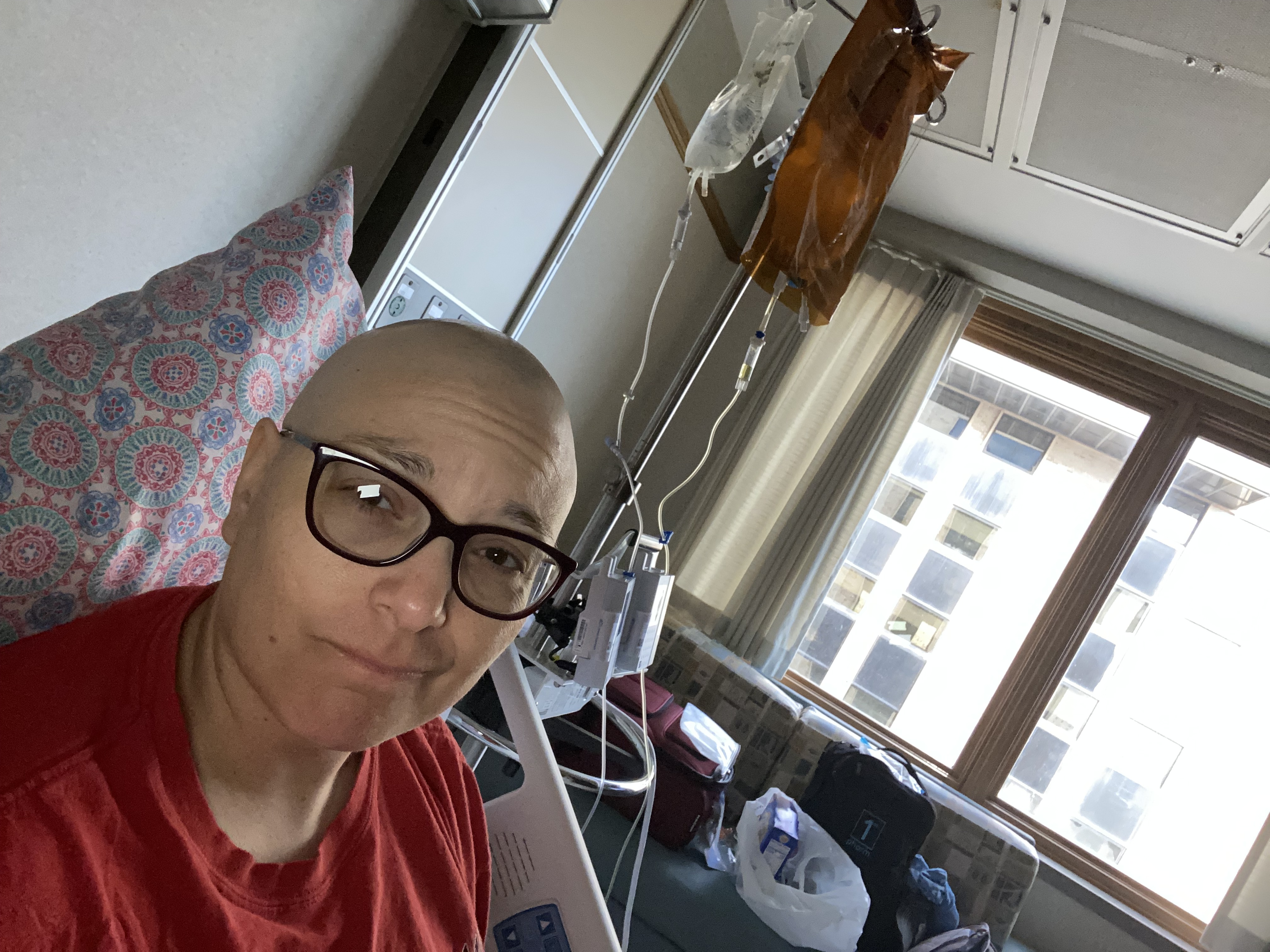
Eight months of treatment began. Her first hospital stay stretched twenty-one days. She walked out on her daughter’s sixteenth birthday—on Mother’s Day—and in remission. The chemo had worked fast, wiping out the cancer cells, but it had also wiped out nearly all of her healthy blood cells.
In that first round alone, Elizabeth needed four to five blood transfusions, plus countless platelet transfusions. As treatment continued, the numbers climbed far beyond anything she ever imagined: more than 120 blood transfusions and nearly 200 platelet transfusions.
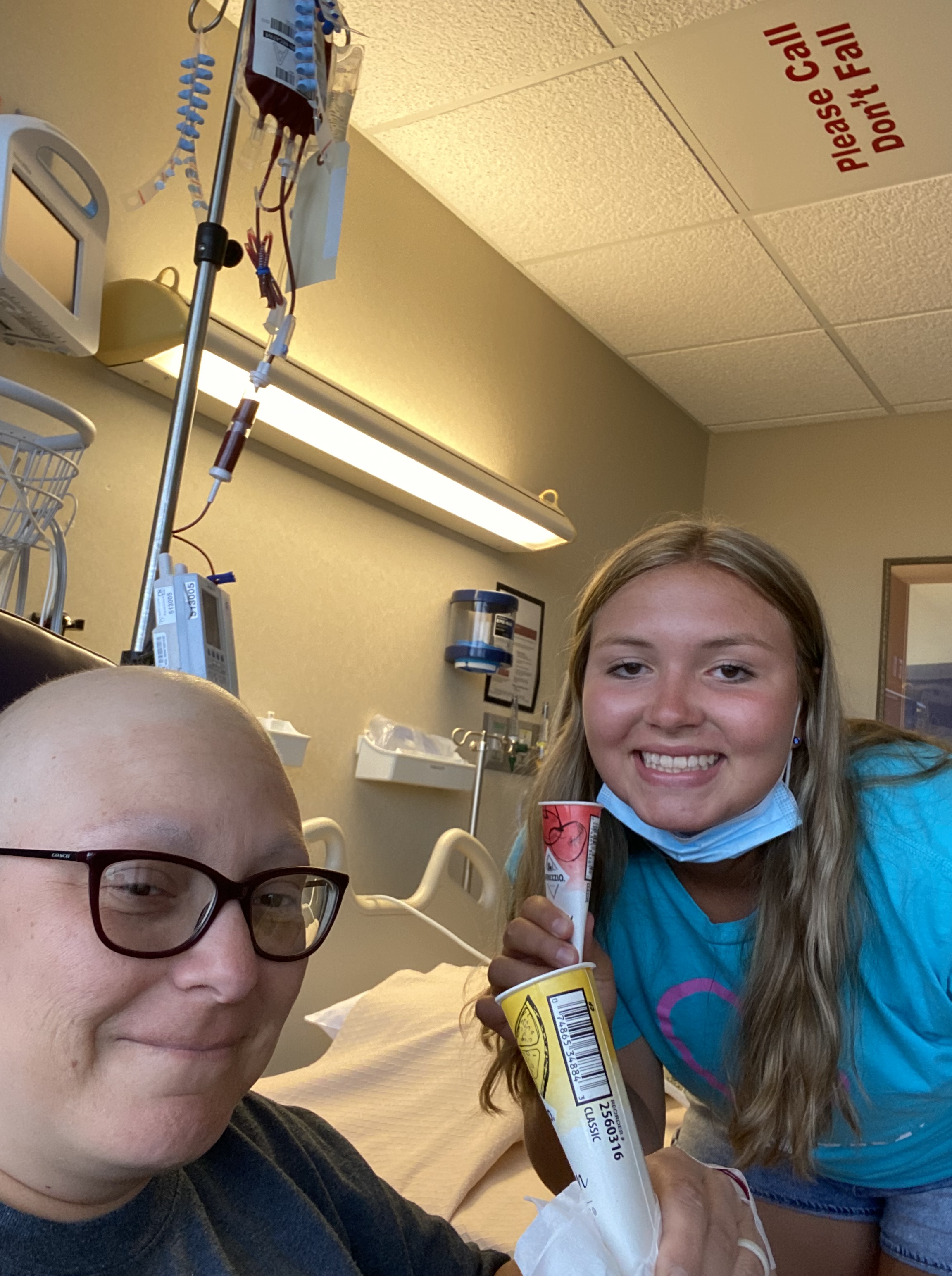
There were days when her blood counts sank so low she could barely stay awake. She remembers receiving a transfusion and, within thirty minutes, feeling her strength return. She tried to stay upbeat—even playful—asking the nurses, “So… is this one going to give me powers?” Humor became her shield against fear.
Because of her rare Rh-negative blood, she often needed specially typed platelets. She would be admitted for days at a time, waiting and hoping that these gifts from strangers—people she would never meet—would take.
She wondered constantly about them.
Who is this person whose blood is making me feel better? What do they like to do? Could I ever meet them to say thank you?
By December 2021, Elizabeth had completed her final chemo treatment. She stepped into survivorship the same way she had entered treatment—determined. This May marked four years since her first remission, and December marks four years cancer-free.
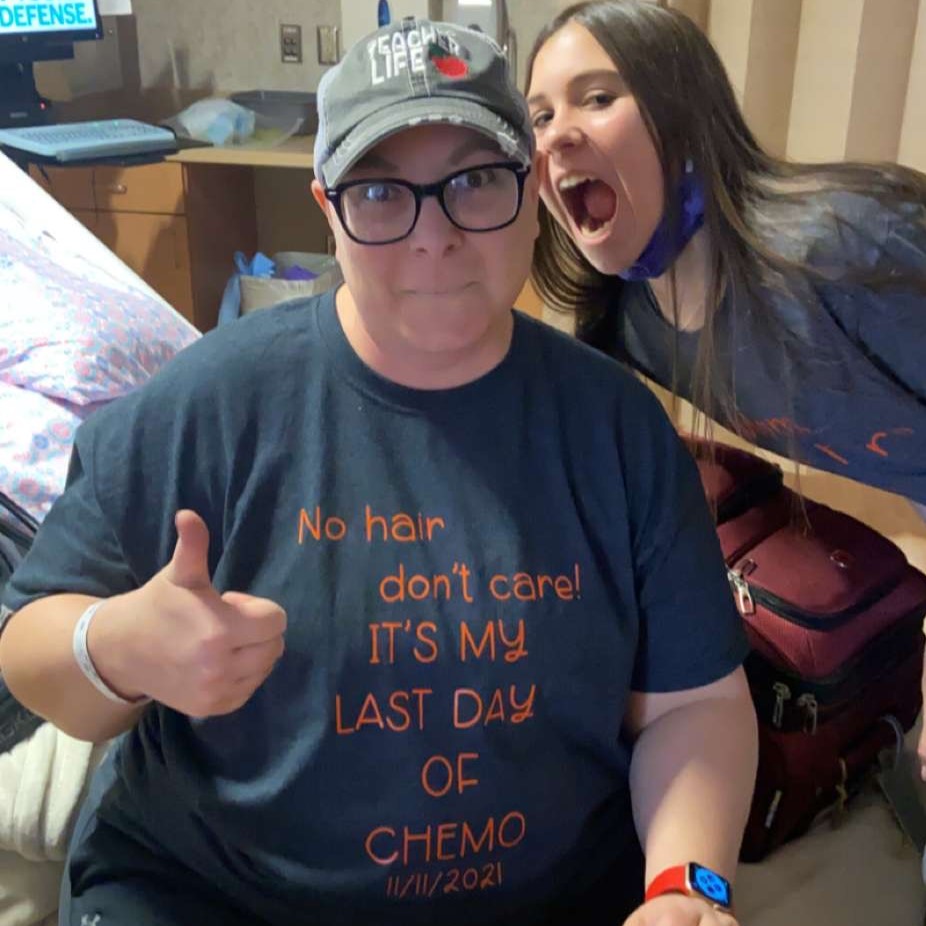
(Photo submitted)
Long before she became a patient, Elizabeth had been a donor herself. She started giving blood and plasma at sixteen, encouraged by her mother, who worked in a nursing home and often spoke about ordinary people quietly helping others simply because someone had to. As a high school athlete in the late ’90s, donation felt like just a good thing to do—never something she imagined she would one day depend on for her life.
So when the blood drive coordinator at Fairmont High School retired, Elizabeth didn’t hesitate. She stepped in to lead the program. “These donations saved my life,” she says.
She can’t donate anymore, but she volunteers with the Red Cross because she knows what’s at stake. Somewhere, right now, another parent, another teacher, another human being is lying in a hospital bed waiting for blood—blood that may determine whether they get to see another birthday, another Mother’s Day, another tomorrow.
Her four daughters now donate—or plan to. They watched their mother fight for her life. They saw how every transfusion lifted her back to herself. One of her daughters, an O-negative universal donor, once said, “If someone saved Mom with their blood, the least I can do is give mine to someone else.”
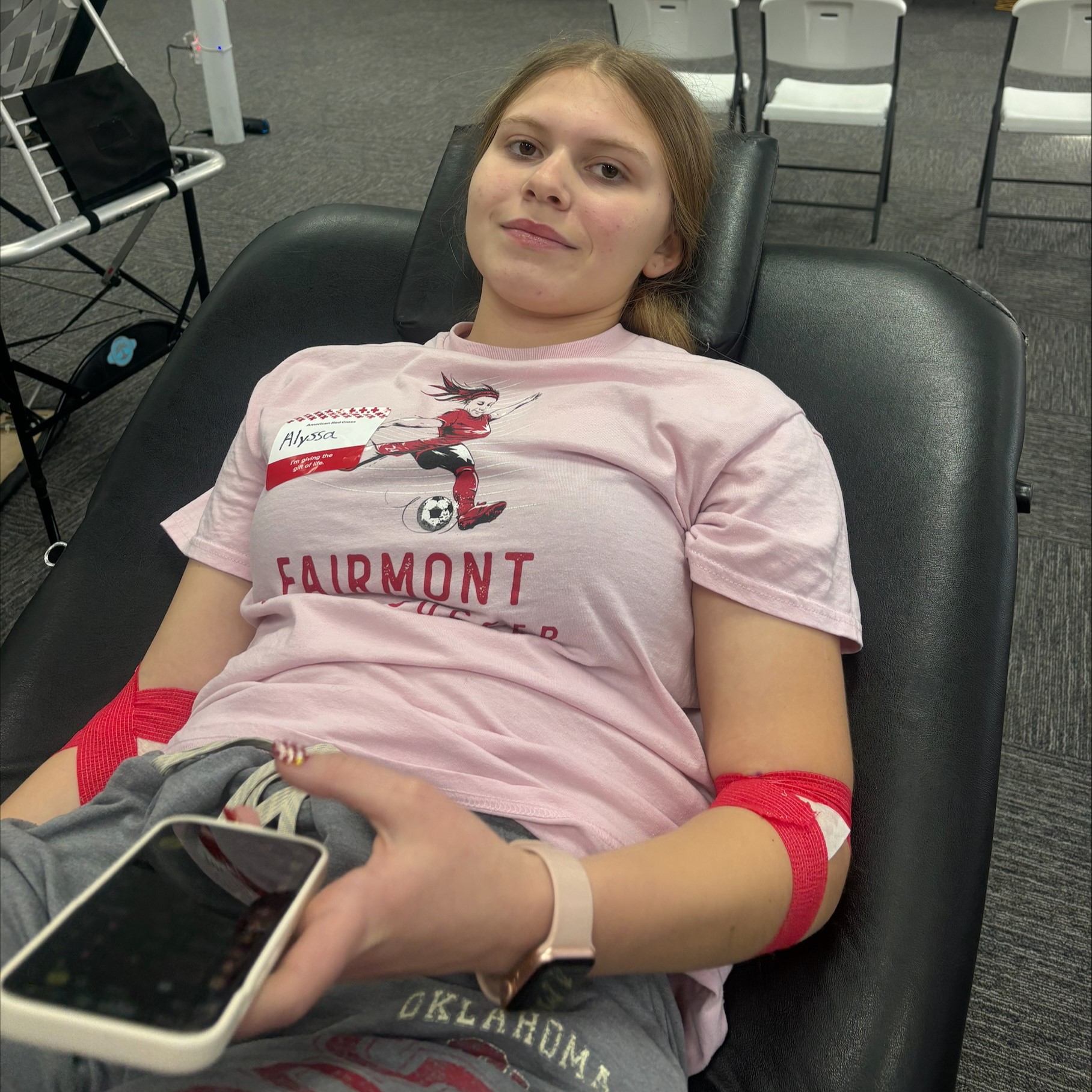
Elizabeth is proud—not just because her girls donate, but because they understand. “Awareness is learning,” she says. “You can’t expect people to do better if they don’t know.”
So she teaches, just as she does every day in her classroom. When she stands before students at Fairmont High—whether she’s explaining an assignment or sharing her story about blood donation—she knows not everyone will take the message to heart. But some will. And those few may one day help save a life.
She shares her story not to seek sympathy, but to spark action. “If telling my story encourages even one more person to donate, then it’s worth it,” she says.
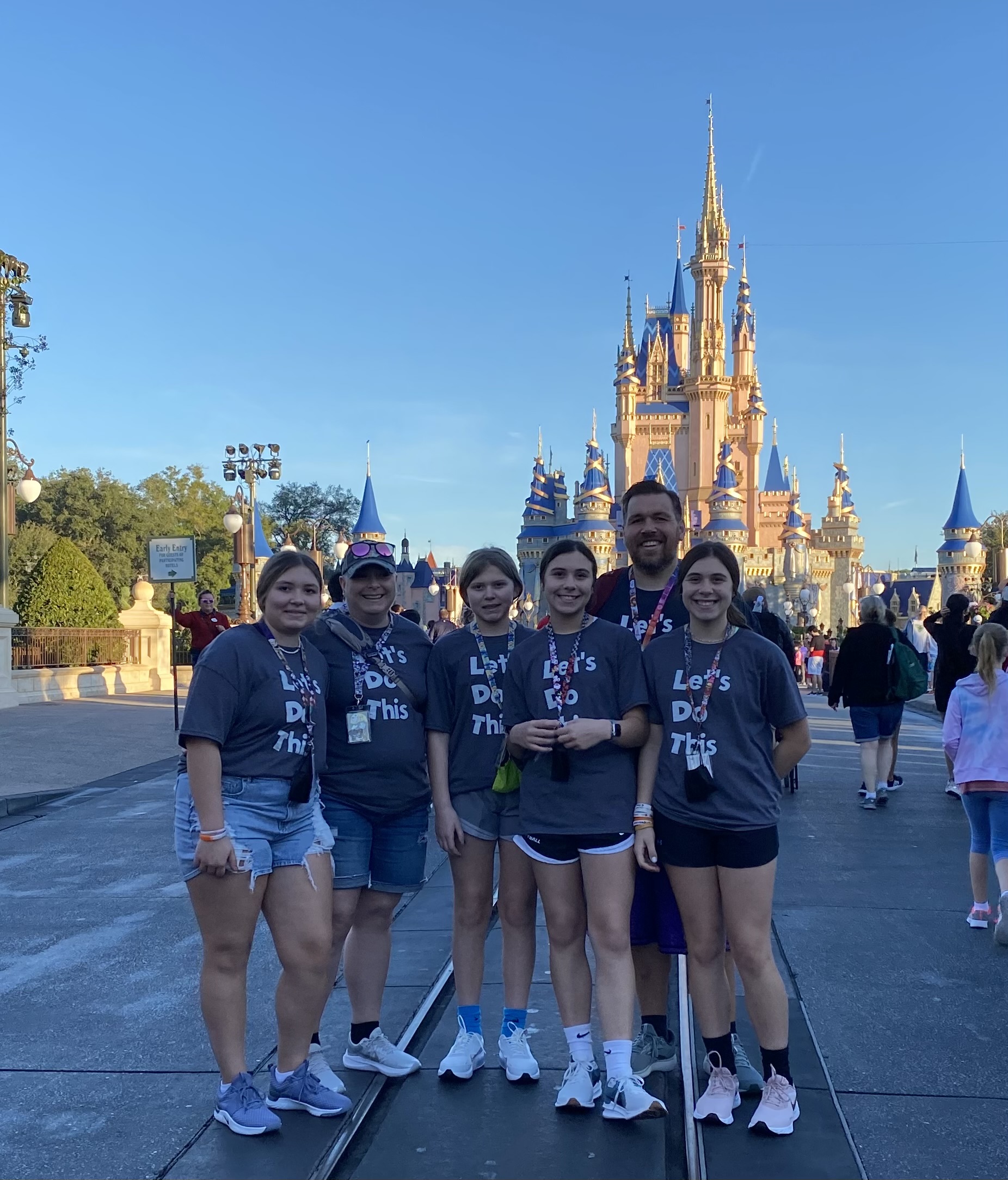
Elizabeth is alive today because someone donated—someone she will never meet, someone who didn’t know they were saving her. She is living proof of the impact a single donor can make. Now she leads student blood drives, raises awareness, and inspires a new generation of donors, determined to honor the strangers who once saved her life by paying that gift forward.
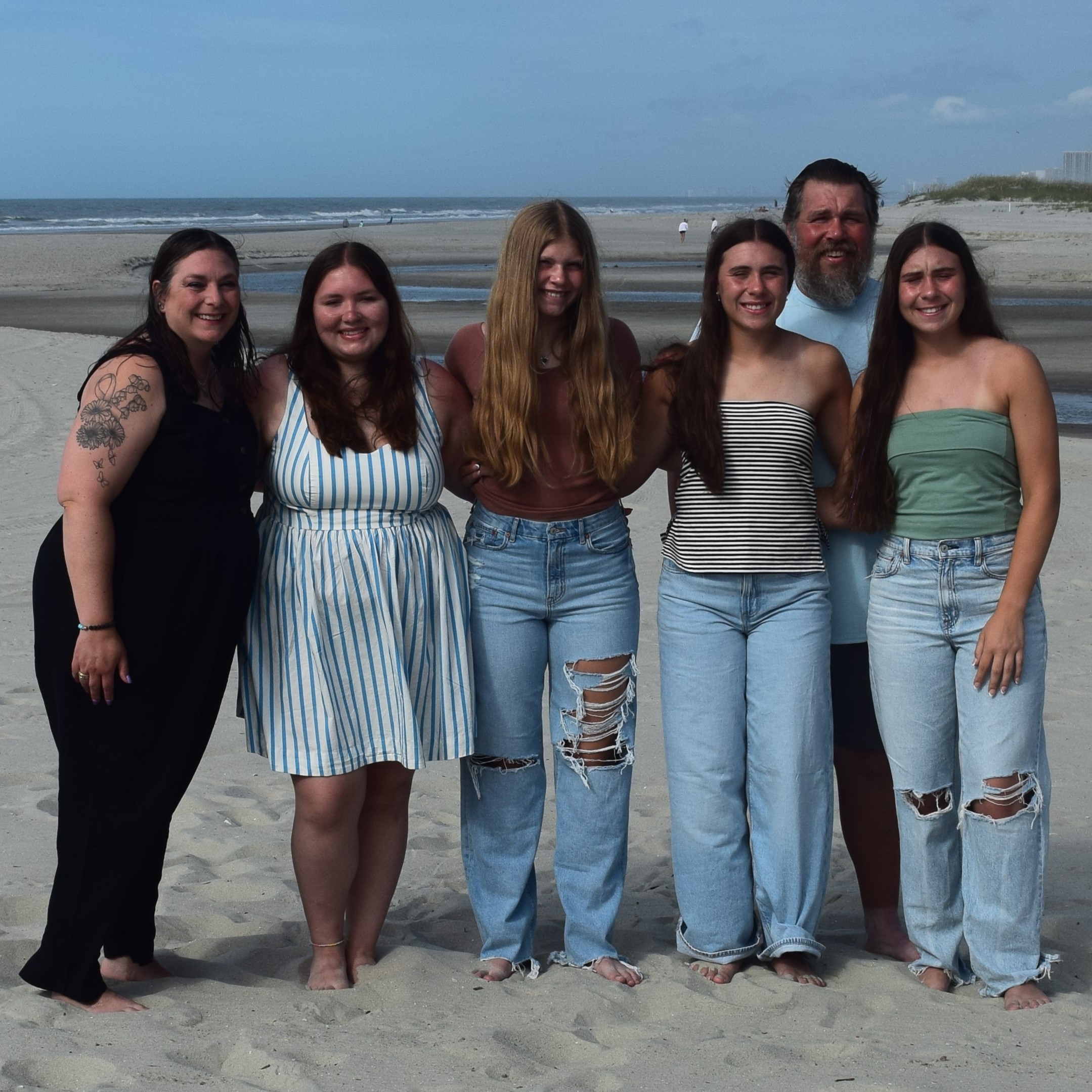
Your donation could mean the difference between life and loss—for a patient, a parent, a teacher, a mother or a friend. It only takes an hour. It can give someone another tomorrow.
The American Red Cross is facing a severe blood shortage as requests from hospitals exceed the available supply of blood. Donors of all blood types, especially those with types O, A negative and B negative blood and those giving platelets, are urged to give now to help people who rely on transfusions for medical care.
Schedule your donation today at RedCrossBlood.org or call 1-800-RED CROSS. Don’t wait. Someone’s life depends on it.


 American Red Cross Minnesota and Dakotas Region