Shylo Stevens received an urgent phone call in the early morning hours of Sunday, October 26, after a fire broke out on the 12th floor of Skyline Tower, a high-rise apartment complex in St. Paul, Minn. It was, she quickly learned, an all-hands response to help the residents.
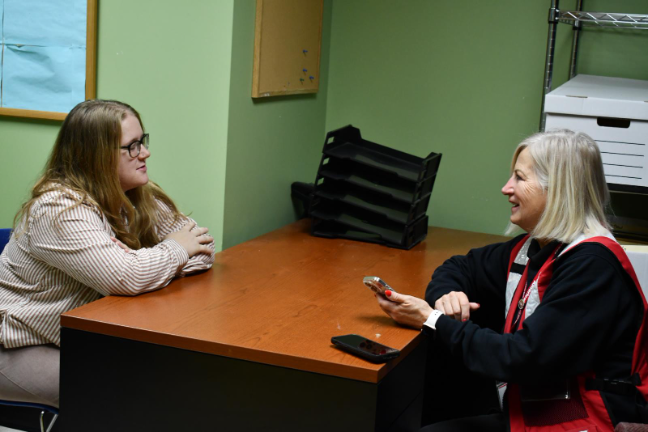
“At first, I wasn’t really knowing what I was walking into,” says Shylo. “It was a lot of trying to figure out what had happened. What were the top priorities for our residents as we work through this?”
Shylo is a community program manager for CommonBond, an affordable housing nonprofit that manages the Skyline Tower apartments. With so many residents displaced, Skyline Tower residents needed to be temporarily housed in close to a dozen different hotels across the Minneapolis and St. Paul metro area.
“It was getting them into hotels, figuring out who needs the police or fire department to bring them down if they had mobility difficulties and couldn’t come down on their own, as our elevators were out. With all that support, we were able to fully evacuate the building.”
Skyline Tower’s resident population is made up of about 1,500 individuals and families, many that migrated from other countries, the majority from Somalia. They’re tightly knit, says Shylo. “The sense of community I got that night, I can’t even explain. Just so many people coming in to assist left and right through this crisis, it was really beautiful to see.”
With so many residents displaced across close to a dozen Minneapolis–St. Paul hotels, some rooms had kitchenettes while others did not.
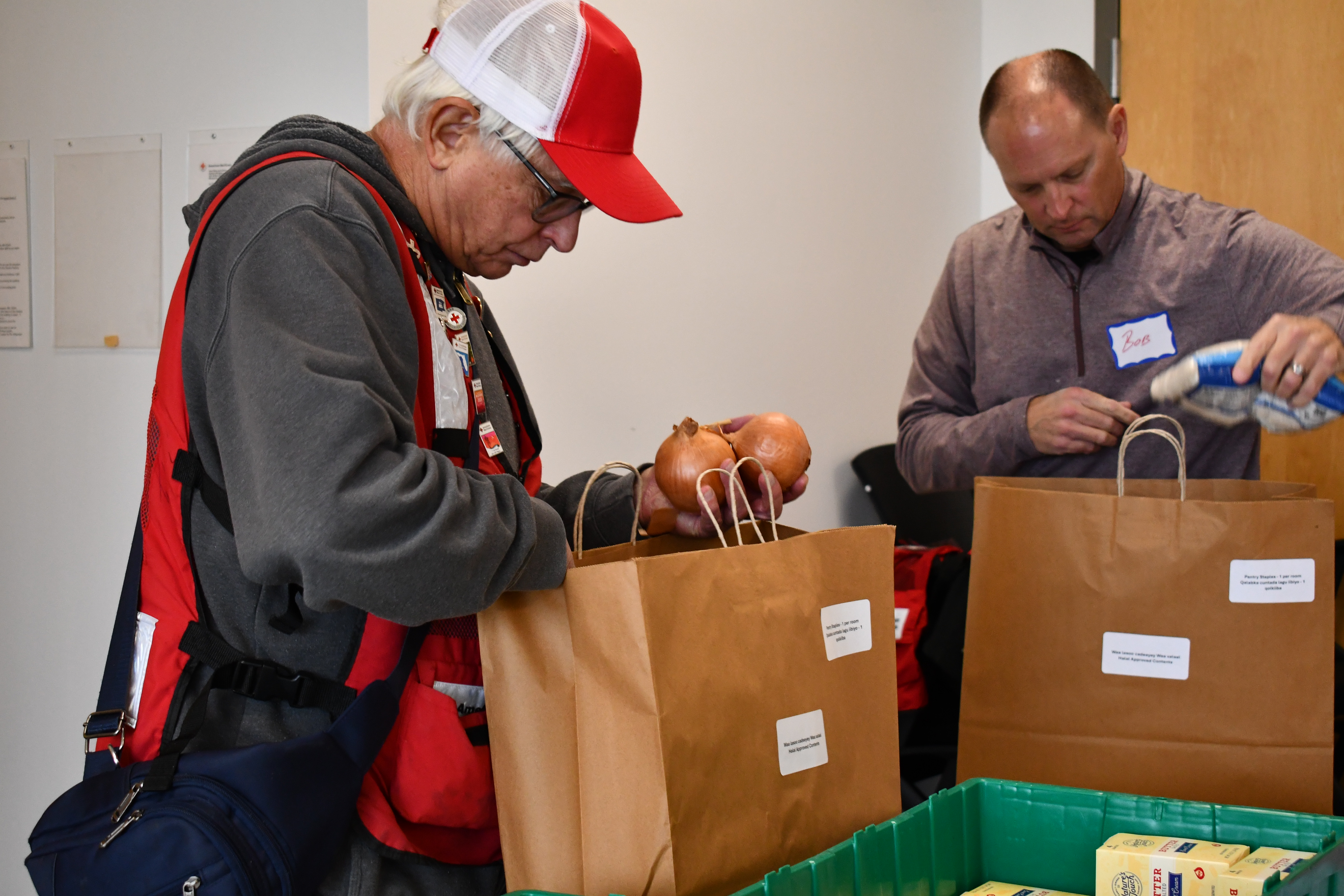
To support food relief for people with kitchenettes, Red Cross volunteers assembled more than 150 grocery care packages that contained weekly staples, such as rice, onions, bullion, and more, based on input from residents and local faith-based experts. And for those without kitchenettes, the Red Cross partnered with local restaurants, such as Afro Deli and Grill, to provide nutritious and comforting hot meals from a kitchen that residents trust.

Many people in the Skyline Tower community are of the Muslim faith and have strict halal dietary restrictions. To help meet the need, the Red Cross shifted early from the typical feeding approach used on many disaster responses to one tailored specifically to this community. The help, Shylo says, has been amazing.
“You know, here, soon it will be Thanksgiving, and you have to feed your family a meal. Now imagine trying to feed 1,500 people. You have residents who like certain things that others don’t, and many who choose their meals strictly based on their religious practices. There are certain things that they simply cannot eat, and it’s not because they choose not to, it’s their beliefs, their morals, and their values.”
Minnesota has the largest Somali population in the United States, with the majority residing in the Minneapolis and St. Paul metropolitan area. The relationships formed during this response will help the Red Cross better address community needs during future disasters.
In addition to food relief, Red Cross volunteers have facilitated relationships between CommonBond and other disaster response partners.
“One of the things that the Red Cross has been very helpful with is the connection with Ramsey County workers – they’ve been on site at the hotels working with the residents to make sure they have paperwork, their Medicaid, their insurance, so they’re kind of taking that off of our plate, so that residents aren’t missing that gap period during this time,” says Shylo.

Around half of the displaced residents returned home at the end of October. The remaining displaced residents await building repairs. Red Cross teams will continue to work alongside CommonBond as people continue to recover from this disaster.
Story and photos by Nate Russell/American Red Cross Volunteer

 American Red Cross Minnesota and Dakotas Region