Field Photos: Sheldon Checks In From Sandy

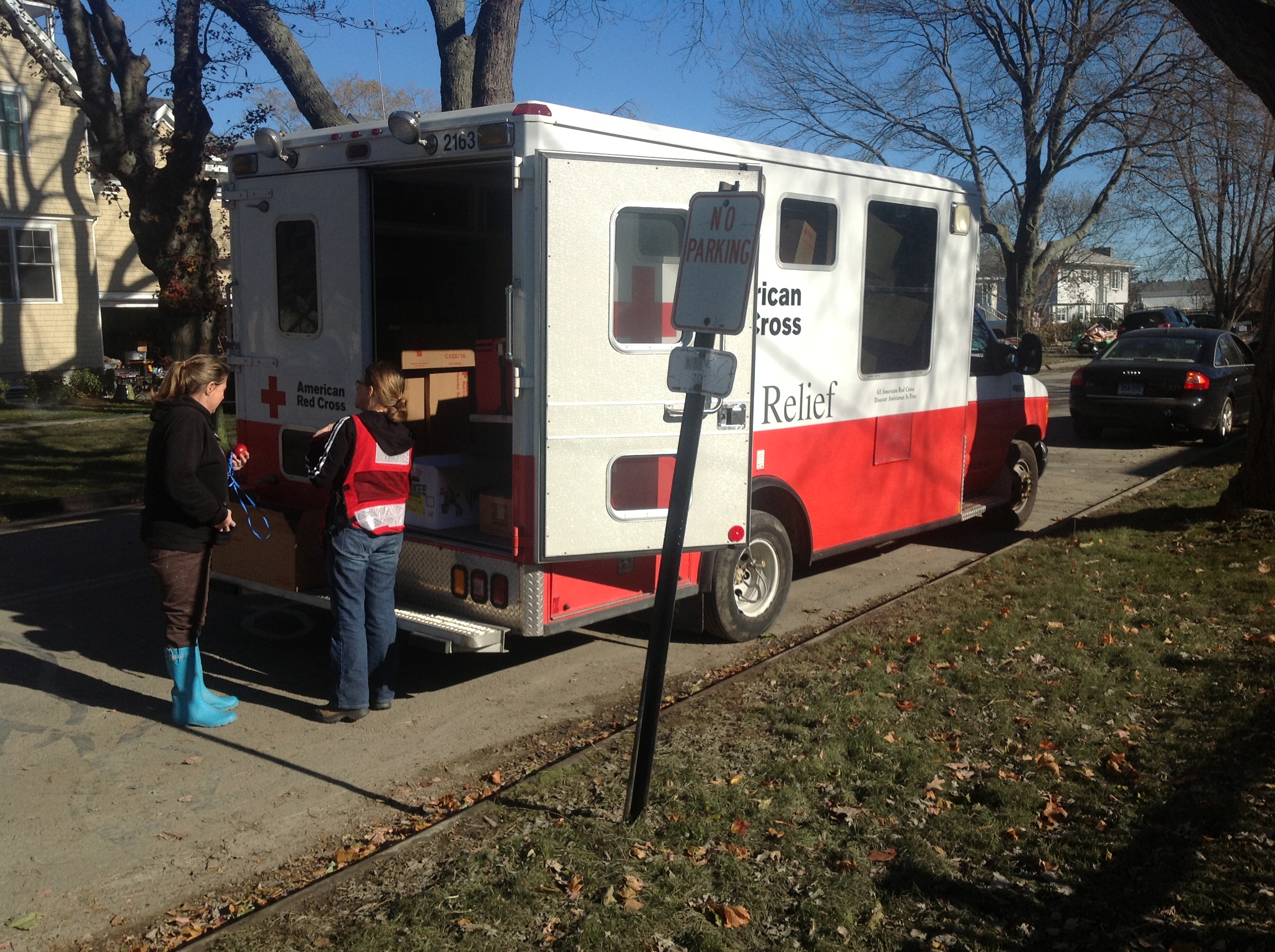
Red Cross volunteers Sheldon Bruce and Lori Olsson deployed to Superstorm Sandy days ago–how many? (Too many to remember.) They drove a Red Cross emergency response truck 1,200 miles from Minnesota to New York and since then they’ve been busy handing out hot meals and relief supplies to people in devastated areas. We’re grateful for the work that Sheldon and Lori are doing. Here, through Sheldon’s eyes, we share with you a bit of what they’re experiencing.

A street after flood waters receded.
Families wait for meals and supplies from a Red Cross disaster relief truck.
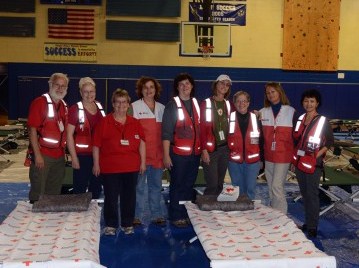
Red Cross disaster relief workers at their temporary home-sweet-home accommodations.
Red Cross trucks waiting to refuel.
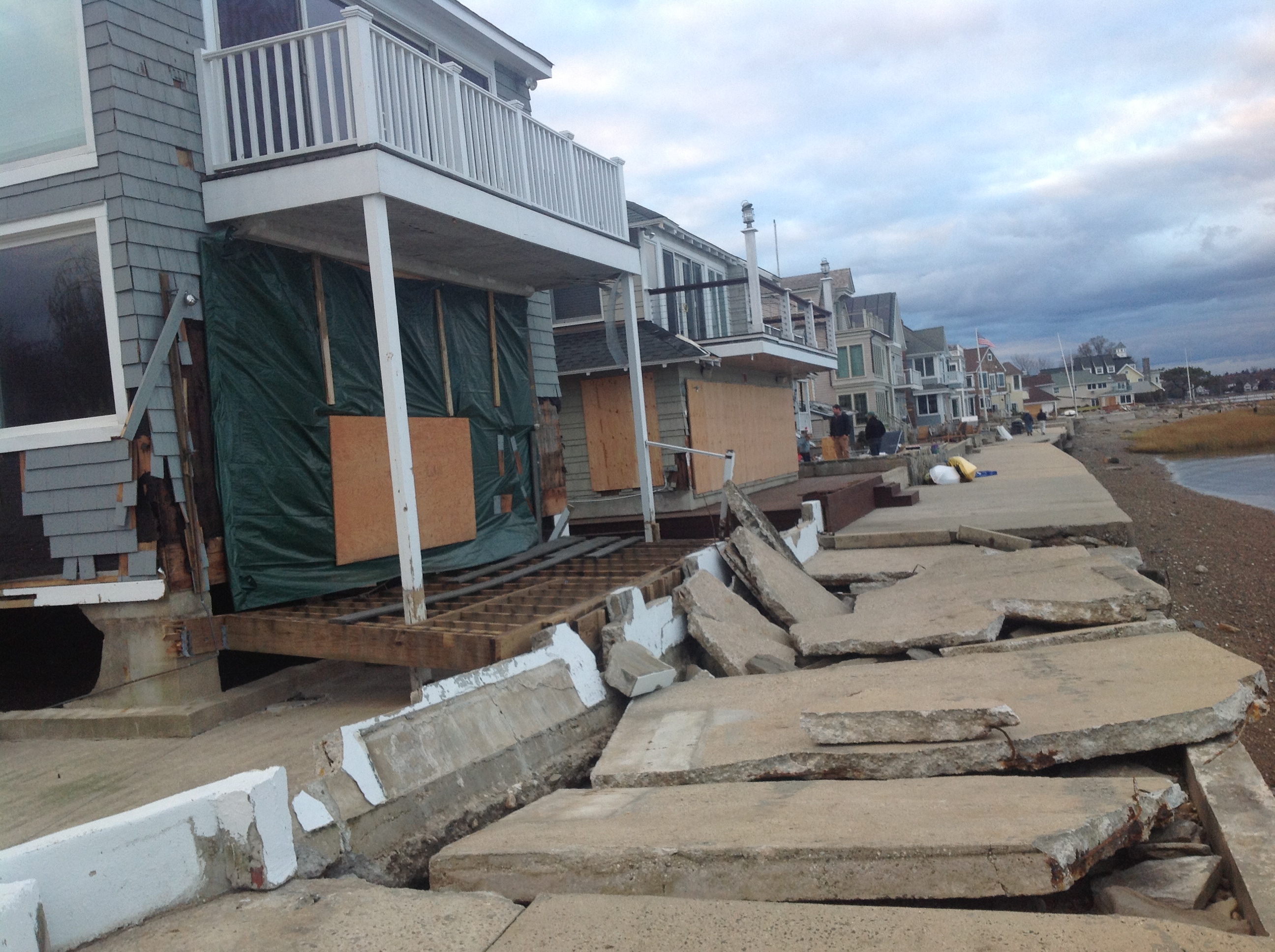
Beach front damage.
Clean out after the flood.
Loading Papa John’s.
Delivering clean up kits in affected neighborhoods.

Sandy Postcard From Choua

Greetings from Greater New York, Superstorm Sandy Aftermath Followed by Nor’easter, November 7, 2012

Hello from Greater New York,

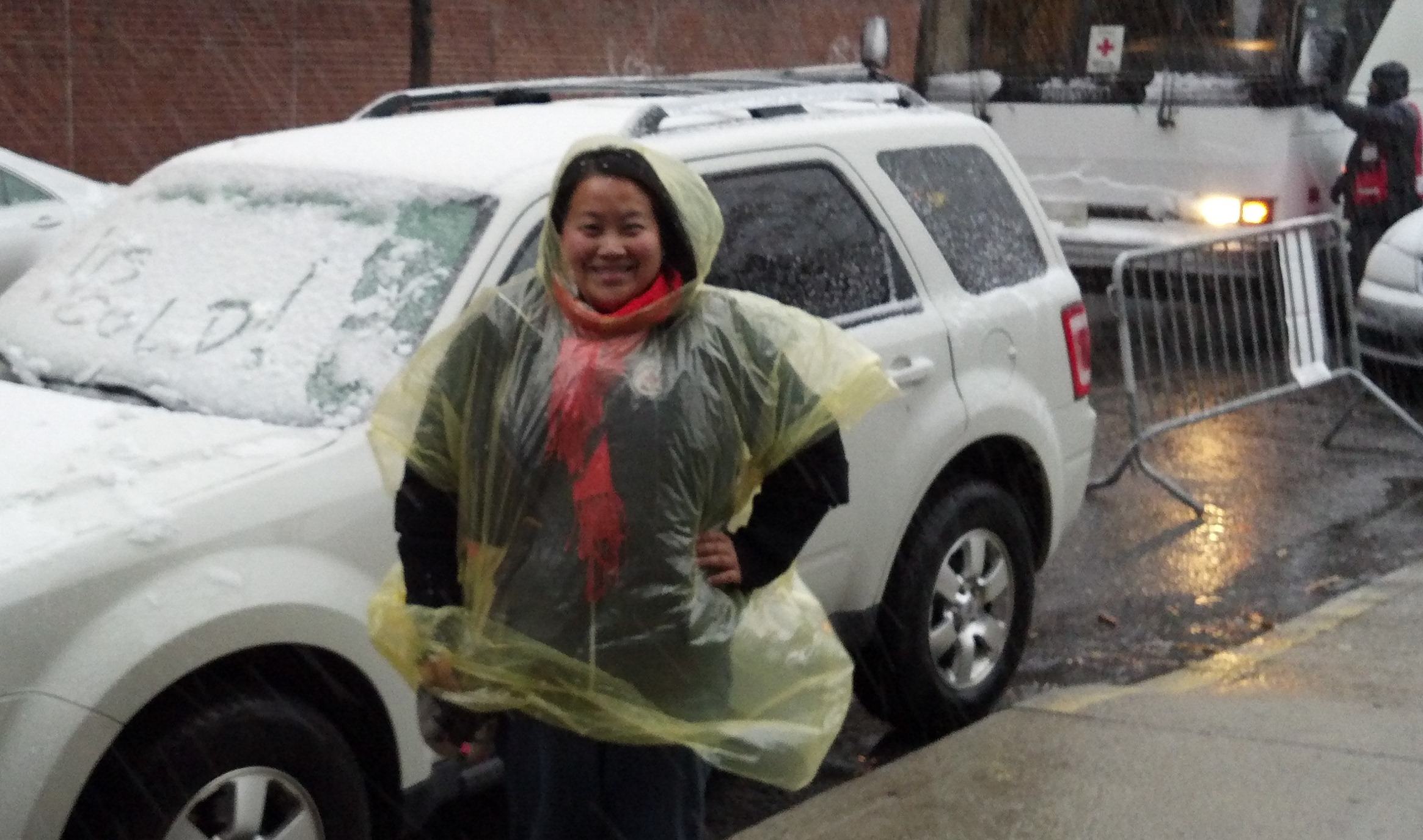
I’ve been going out doing Disaster Assessment (DA). There are so many homes affected and or destroyed by the storm. DA is on hold right now due to the snow mix with rain. Based on the data that we collected, upper managements are planning to deliver supply of goodies to those affected areas. Yesterday, I went to eat with my team and our server asked where we were from. One of the teammates told her that we are with Red Cross and the server just broke down and cried. She was very grateful and happy that we were there for her community. She thanked us for leaving our families and friends to come help out.  It was such an amazing experience  with this disaster response so far. I am so happy and proud to be Red Crosser!!!

Thanks,
Choua

Choua Yang is one of 5,700 or so Red Cross disaster relief workers responding to Superstorm Sandy. (Around 50 are from Minnesota.) 90 percent of Red Cross responders are volunteers. You can help support Red Cross humanitarian disaster relief.

Stop Over And Make Someone Smile

Special Post From Red Cross Disaster Volunteer Dun Bui

Dun Bui (far right) and other Red Cross disaster responders at the shelter in Oceanport, New Jersey.

Red Cross volunteers from Kentucky, Ohio, New York, Minnesota and Wisconsin are working together at the shelter at Maple Place School in Oceanport, New Jersey.

Over 600 people have checked into the Red Cross shelter established at Maple Place School in Oceanport over the past 48 hours. Many have come in for a hot meal, chance to charge some electronic devices, file a claim with FEMA or just talk with a friendly volunteer.

A majority of the Red Cross volunteers are not even from this area or state. A husband and wife drove from Kentucky, one woman came in from Ohio, another from up-state New York while two others are from Minnesota and Wisconsin.

Volunteers are needed at the shelter to assist with serving breakfast, lunch and dinner. Also people are needed to help watch and supervise children and play games with senior citizens. The shelter is open 24 hours. And if you can spare an hour or so, stop over and make someone smile.

Thank you to Dun Bui and the other 5,400 Red Cross volunteers responding to the Superstorm Sandy disaster on the East Coast. Take care and return home safe and happy.

Happy 102nd Birthday Marguerite!

ImageIn 1910, when Marguerite Grams was born, the American Red Cross was still a fledgling organization of just 29 years. On November 2 Marguerite celebrated her 102nd birthday and friends from the Red Cross were there to join the party. Grams established the Virginia, Minn., office of the Northland Chapter in 1942 and served the organization for the next 35 years. More than 50 board members from the Northern Minnesota Region of the American Red Cross recently signed a t-shirt with best wishes for Grams. Northland Chapter board member Christina Hujanen and chapter Executive Director Judy Hanne Gonzalez presented her with the shirt, a card and a birthday cake during a meeting of the Soroptomists International Club of Virginia, Minn.

And The Heroes Are Off

We have in our Red Cross region fabulous people who leave behind their lives and loved  ones for days and days to help others in great need. Right now, twenty-five disaster relief workers from our Northern Minnesota region are responding to Superstorm Sandy. Twenty-two of those are volunteers. We’re incredibly grateful to have outstanding responders. We know that they’re doing great work. And, the heroes are off…

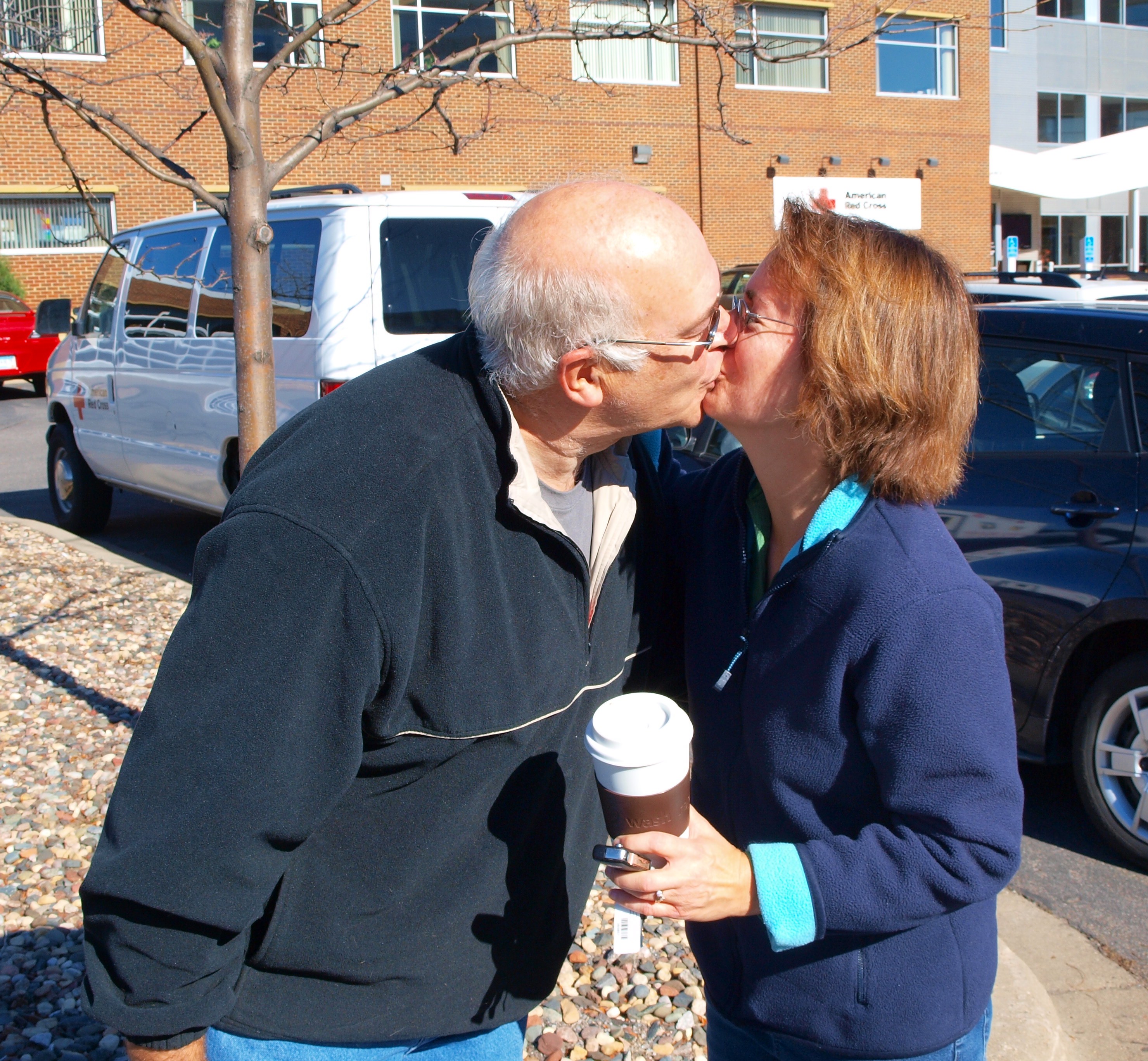
Sheldon Bruce, who will be gone for three weeks, says goodbye to his wife.

Lori Olsson brings snacks and cereal for the long drive ahead on a
Red Cross emergency response truck.

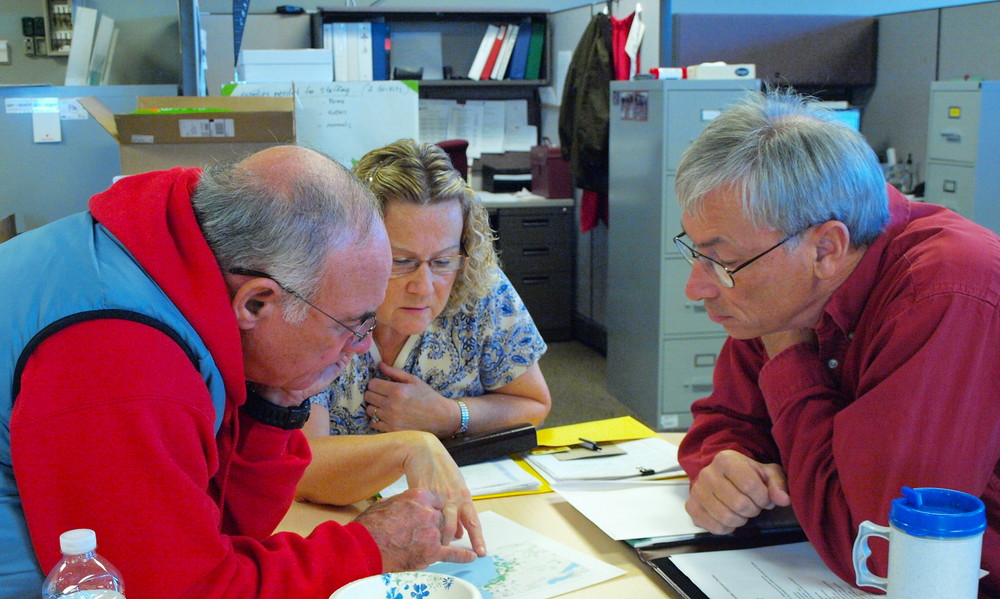
Steve Baltes (r) helps Jeff Skoog (l) and Diane Hofacker (c) map their deployment  destinations where they will provide Mass Care and Sheltering assistance.

Open shelters according to the Red Cross Hurricane App.

Disaster Mental Health volunteer Larry Larson (r) gets important deployment information from Emergency Staffing Manager Theresa Moerbitz.

Sheldon Bruce is ready to roll.

Lori Olsson waves goodbye.

To support American Red Cross disaster relief visit redcross.org, call 1-800-RED CROSS (1-800-733-2767) or text the word REDCROSS to 90999 to make a $10 donation. Your gift enables the Red Cross to provide shelter, food, emotional support and other assistance to those affected. (Story by Lynette Nyman and Megan Barnes; photos by Megan Barnes/American Red Cross)

A Farm House Burns Down

The fire started in the night on October 5, 2012. Linda, her husband Tom, and their dog Rex were asleep in their home on the Cook family homestead in Somerset, Wisconsin. Rex woke first. He nudged Tom’s arm then Tom woke Linda. Their house was on fire. Linda saw flames going up a wall. She went for the fire extinguisher. It was empty or broken. The fire spread fast. The century-old house turned out to be a tinder box ready to burn. Linda saw Rex through the smoke. She followed him outside. Her feet were bare. She wore pajamas. She looked for Tom. Linda thought he was behind her. “I turned around and he wasn’t there.” He was inside, somewhere inside a house filled with flames and smoke. He was somewhere in the house where he was born and where he spent most of his nights.

Image

Linda met Tom at the old Stardust Room in Osceola, Wisconsin. “He went there every day. For our first date we went to the fair.” They married in 1974. “I said I’d never marry a trucker or a farmer and I married a man who was both.” Together, they raised five children. For years he worked as a local mechanic and farmed the Cook land with a horse-pulled tractor. Years earlier, in 1968, he lost a hand in a corn picker but he managed, choosing prosthesis for a working arm over a re-attached limp hand. He was no stranger to fire. A barn burned in 1991. Tom and Linda lost horses, cows, pigs, a dog and hundreds of hay bales. Linda baled hay too. “We worked side by side.”

Image

Tom died in the fire. Linda says he will be remembered as a caring, loving guy. “He loved everybody. He loved his horses.” Tom was known in the area, Linda says, for his horses. They were regulars in the local parade. “We’d get the horses and away we went!”

Image

During the funeral services, Tom’s ashes were held in a wooden box that his son Scott handmade. Farmers, truckers and others from around the area attended the services. Around 200 people paid their respects. Linda received hugs, many hugs. “My shoulders hurt from all the hugs.” Starting soon to rebuild her life, she wants to put a trailer on the farm. “I don’t want to leave the farm. Tom always said, if something happened to him, stay on the farm.” Red Cross emergency relief has helped to get her going. The Red Cross has been great, she says. “I didn’t know there was a Red Cross out here. I don’t even know how they got my name. I didn’t expect anybody.”

Image

Wherever she goes and however long it takes to recover, Linda plans to have her dog Rex by her side. “Rex got me out. He’s my hero.” Seven years go Rex was a puppy offered for free at a farm auction. Now he’s a hero to everyone. To all those–Rex, too–who save and comfort our neighbors during great times of need, we express our heartfelt gratitude.

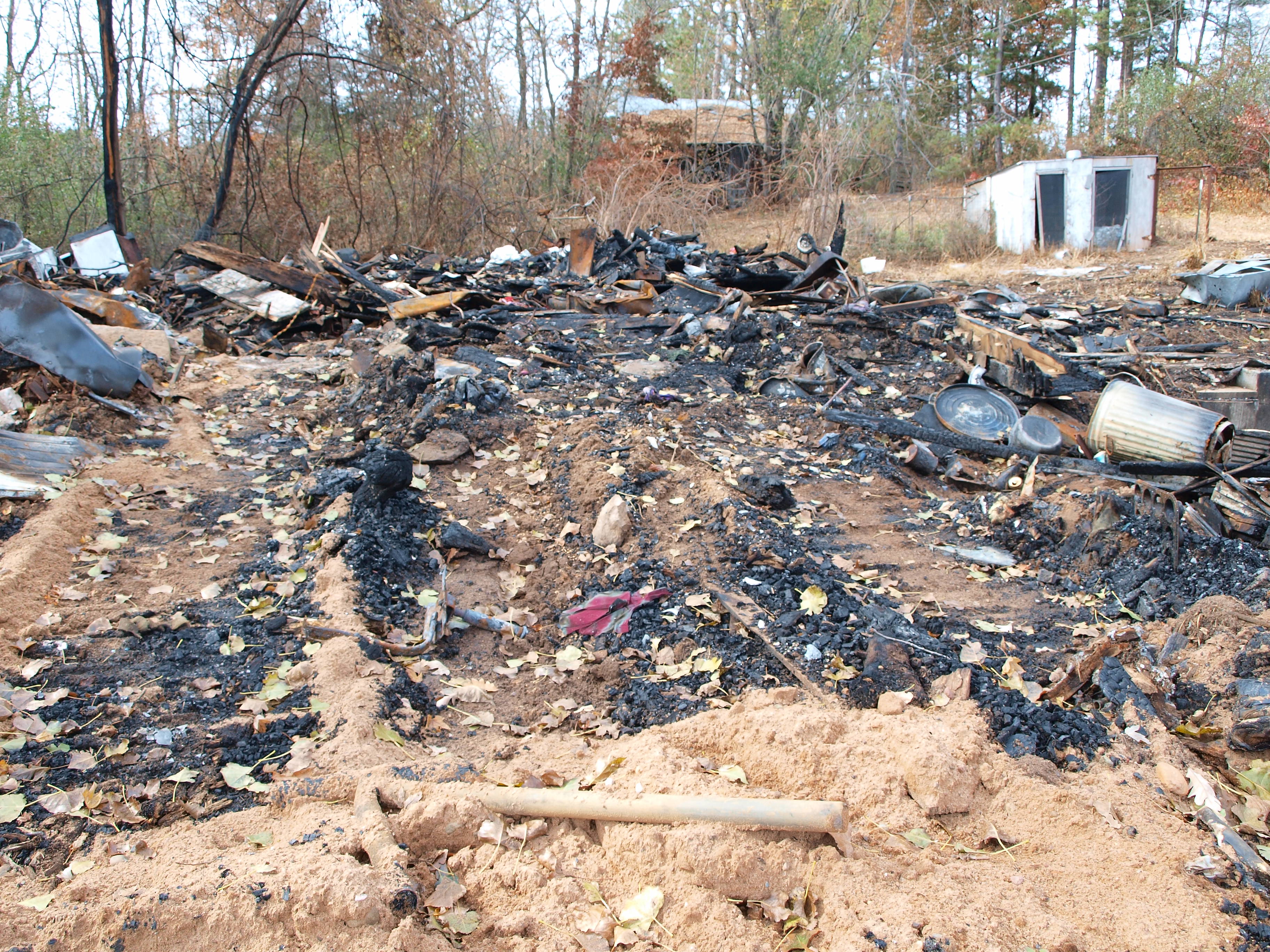
Story and photos by Lynette Nyman/American Red Cross Northern Minnesota Region. Photo descriptions: (1) a baking pan survived the fire; (2) the remains of the Cook farm house; (3) Scott Cook’s handmade box for his dad’s ashes; (4) Red Cross nurse Vonnie Thomas hugs Linda Cook where she’s staying with family in New Prague, Minnesota; and (5) Rex, 7 years old, canine hero and beloved family member.

Gophers Bleed Maroon & Gold for the Red Cross

Katie Kranz congratulates Chuck Seymour on making his first blood donation. Both are University of Minnesota seniors and Homecoming Court Members. Photo credit: Megan Barnes/American Red Cross

The Golden Gophers turned out in spades for the Ninth Annual American Red Cross Homecoming Blood Drive at the University of Minnesota. Everyone—students, professors, and alumni came together to save lives.

For Chuck Seymour, a senior and Homecoming King Candidate, it was his first time donating blood (GO CHUCK!). With a lot of reluctance and slight fear of donating and needles, Chuck met Geoff Kaufmann, CEO of the American Red Cross North Central Blood Services Region, who led him through the entire donation process (GO GEOFF!).

Geoff explained that one whole blood donation typically can help save three lives. And with an average of 22-25 blood drives in Minnesota each day, this generates vital help to those who need the gift of life. “It’s so great that this generation is willing to donate,” said Geoff. “The older generation felt a dedication to supplying blood and a lot of these people aren’t able to anymore due to chronic diseases. So, it’s a great thing to see this generation step up and donate their time and blood. The University of Minnesota is a huge support to the American Red Cross and it’s always good to be here.”

To help ease fears, friendly student volunteers (GO GOPHERS!) wearing maroon & gold Legendary U Homecoming t-shirts created an inviting room filled with snacks and festive music for the donors. Gopher student volunteers helped care for people post donation by monitoring how they felt and offering juice, water and snacks. Their volunteer support showed that this generation of students is indeed Legendary.

Geoff Kaufmann comforts Kirby Schmidt while he donates blood during the University of Minnesota Legendary U blood drive with the American Red Cross. Photo credit: Megan Barnes/American Red Cross

Kirby Schmidt, another senior and Homecoming King Candidate, was proud to show his Gopher Pride by donating his 9th time (GO KIRBY!). He wants future University donors to know that it’s easy and anyone can do it. “I recommend eating a big bowl of Raisin Bran and drinking 3-4 glasses of water when starting your day of the donation.”

In all, approximately 125 volunteers and 220 potential donors participated, making this drive a major contributor and partner to this cause. This was done by including pre-registration for those on a tight schedule or quick registration for those who just happened to walk by and felt compelled to donate.

Click here to find a blood drive in your area.

M! I! N! N! E! S! O! T! A! MINNESOTA! MINNESOTA! YAAAAAY GOPHERS!

Story and photos by Megan Barnes/American Red Cross

Right now we’re helping someone after a fire

Red Cross volunteers respond to a house fire in the south metro. Photo credit: Lynette Nyman/American Red Cross

Right now the American Red Cross is helping someone recovering from a fire. Across our Northern Minnesota Region, we respond more than 400 fires each year. (And more than 63,000 across the nation annually.) That does not account for  home fires that not requiring Red Cross assistance. In September, we experienced one of the busiest fire response months that Red Cross disaster volunteers have seen in quite a while. There were 48 responses region-wide, including a 12-unit apartment fire in Brainerd where all 12 families needed assistance. To date, October has been no-less busy with 14 incidents. Combined, we’ve assisted 329 people with emergency relief after a fire.

So, we feel compelled to ask: are you prepared for a fire? Are you ready to not return for hours, days, or maybe never to the home you have now? Take a moment to answer those questions. Then what?

The Red Cross recommends two easy steps to help protect your home and loved ones from a fire: get a smoke alarm and create a fire escape plan.

  • Smoke alarms save lives. Working smoke alarms cut the risk of dying in a home fire in half.*
    • Place smoke alarms on every level of your home, including bedrooms.
    • Test smoke alarms once a month and replace batteries at least once a year.
    • Fires can spread quickly and every second counts. Having a plan in place can help you escape, but less than one-fourth of Americans have actually made a plan and practiced it.*
      • Home fire plans should include at least two ways to escape from every room of your home.
      • Select a meeting spot at a safe distance from your home where family members can meet after a fire.
      • Discuss the plan with everyone in the household and practice it at least twice a year.
      • For more information visit http://www.redcross.org/homefires.
  • Download the American Red Cross First Aid App to get access to life-saving information on what to do for common, everyday first aid emergencies. The app is available in the Apple App Store and on Google Play for Android.

* Statistics provided by the National Fire Protection Association (NFPA).

Disaster Training Institute Makes Triumphant Return

Red Cross disaster relief volunteers Nancy Young and Mike Hofmann work together during a training scenario during the 2012 Minnesota North Star Disaster Training Institute, Camp Ripley, Little Falls, MN. Photo credit: Lynette Nyman/American Red Cross

The Minnesota North Star Disaster Training Institute made a triumphant return in early October when around 150 volunteers from 9 states turned out for a chance to build their American Red Cross disaster response skills. Both rookie and veteran disaster relief workers attended. This was no surprise for Megan Mrozek who serves as Emergency Services Director for the American Red Cross Northern Minnesota Region. “The disaster institute is a great way to train,  network, and practice together.” Mrozek and five others were the key organizers of the training institute. Instructors included experienced disaster responders from across Minnesota and surrounding states.

Red Cross disaster relief volunteer Vonnie Thomas teaches the Psychological First Aid course during the 2012 Minnesota North Star Disaster Training Institute, Camp Ripley, Little Falls, MN. Photo credit: Lynette Nyman/American Red Cross

Long-time responder and instructor Vonnie Thomas faced dozens in a Psychological First Aid course. “Your impact is so important,” she told them. Several shared stories about their personal experiences working with families during disaster response. Sometimes the emotional trauma touches the responder. Vonnie reassured them saying, “It’s okay to cry with a client. I’ve said, I need a Kleenex, too.”

The Institute’s course roster was thorough, offering everything from conducting disaster assessment and learning how to drive a Red Cross mobile feeding truck to managing a shelter and collaborating for success when delivering Red Cross relief services. More than anything, said Mrozek, the training institute gave people a chance to sit next to others. “It helps when you recognize the faces of fellow relief workers when responding to disaster.”

Grant-funded, the current hope is to hold the North Star Training Institute every two years. Click here to learn more about Red Cross opportunities and services. Click here to see more photos from the training.

Story and photos by Lynette Nyman/American Red Cross

Back Blows and Abominal Thrusts Save Lives

Red Cross honorees from left to right: Safia El Hmamsi, Kathryn Majkrzak, Jena Novak, Roberta Chie, Alisha Tomsen, and Donna Sanderson. Not pictured: David Kucera and Jenny Rassavon. Photo courtesy of Dakota Communities.

Have you choked on food? Ever needed a back blow to dislodge it? Well, we’re happy to report that if the folks around you when or if it happens are trained like those at Dakota Communities, then you’re likely to get help that could save your life.

Recently, we recognized eight Dakota Communities employees who quickly and adeptly used their Red Cross training to help people at their residences for adults with developmental disabilities who were choking, mostly on food objects. From sausage or cheese to a carrot or granola, the trained employees used back blows and in some cases abdominal thrusts to expel food matter from people who were choking. Such life-threatening emergencies can happen anywhere, anytime. Go here to find a Red Cross class in your area and to learn life-saving skills.

And thank you Dakota Communities!