Flooding Resources: Summer 2024

AS OF TUESDAY, July 9, 2024

More than two weeks after floodwaters inundated parts of Minnesota and eastern South Dakota, neighbors, local community organizations and government partners continue to work together to help people recover from the extensive damage.

If you need help, please visit redcross.org/mndaks and click “Get Help,” or you can call 1-800-RED CROSS (1-800-733-2767).

  1. Shelter
  2. Flooding: What to do before, during and after Inundación: Qué hacer antes, durante y después
  3. Facebook Updates: Minnesota, South Dakota
  4. Red Cross Emergency App and Flood Safety
  5. How you can help
  6. CrisisCleanup.org

Shelter

Shelters are available for people displaced by recent flooding. Shelters provide essential resources, including food, water, emotional support and information. Click here for info on what to bring, services available and more.

The Village in Waterville (Partner Shelter)
205 N 1st St., Waterville, MN 56096


Flooding: What to do before, during and after

Inundación: Qué hacer antes, durante y después

Facebook Updates: Minnesota, South Dakota

Red Cross Emergency App and Flood Safety

📱 Red Cross Emergency App: To stay informed and prepared during severe weather, download the free Red Cross Emergency app. Customize 40 different weather alerts, toggle between English and Spanish, and ensure accessibility for people with disabilities. Text “GETEMERGENCY” to 90999 or find the app in your app store.

The Emergency app includes an “I’m Safe” feature that help people check on loved ones.  Search “American Red Cross” in app stores or go to redcross.org/apps

Turn around, don’t drown. Stay off the roads. If you must drive and encounter a flooded roadway while driving, turn around and go another way.   


How you can help

Support Red Cross Disaster Relief and help people affected by disasters like flooding and countless other crises by making a financial donation today.
Your gift enables the Red Cross to prepare for, respond to and help people recover from disasters big and small, like the Minnesota and South Dakota floods.

Donate online at RedCross.org, call 1-800-RED CROSS (1-800-722-2767) or text REDCROSS to 90999 to make a $10 donation.

The Red Cross encourages financial donations, which provide the quickest and most effective way to assist those in need. Please note that the Red Cross is not accepting donations of food, household items, or clothing, as these cannot be distributed by their teams.

Volunteer for disasters
Many people have expressed interest in volunteering to support our response efforts, and we are appreciative of the offers to assist. At this time, our trained Red Cross volunteers are working this disaster.

Help us pre-stage valuable volunteers for the next disasters to help your neighbors in need – from home fires to flooding and more. Put on a red vest and join us as a volunteer today to provide relief and hope when it matters most. Visit redcross.org/givetime to check out opportunities with your local chapter.

Donate blood
Unfortunately, the American Red Cross continues to address a concerning shortfall in lifesaving donations since late spring. If you are in an area not impacted by a disaster, please keep your appointment or schedule an appointment to roll up a sleeve and donate blood.

To make an appointment simply download the American Red Cross Blood Donor App, visit RedCrossBlood.org, call 1-800-RED CROSS (1-800-733-2767).

CrisisCleanup.org

Home Cleanup Hotlines have been opened by CrisisCleanup.org to help survivors cleanup in Minensota and South Dakota. We anticipate that most volunteer groups will work through Friday, July 5. 2024. Survivors needing assistance can call 218-288-2213 in MN and 605-519-5413 in SD.

Flooding Resources: Summer 2024

AS OF FRIDAY, JUNE 28, 2024

Floodwaters continue to impact our neighbors in southeast South Dakota and southern and northeast Minnesota. The Red Cross is closely monitoring weather updates and river crest forecasts, while trained disaster responders are assisting those in need. Please see below for resources.

If you need help, please visit redcross.org/mndaks and click “Get Help,” or you can call 1-800-RED CROSS (1-800-733-2767).

  1. Clean-up Kit Distribution
  2. Shelters and Temporary Evacuation Point
  3. Flooding: What to do before, during and after Inundación: Qué hacer antes, durante y después
  4. Facebook Updates: Minnesota, South Dakota
  5. Red Cross Emergency App and Flood Safety
  6. How you can help
  7. CrisisCleanup.org

Clean-up Kit Distribution

Friday, June 28, 2024

MINNESOTA

Nobles County
Prairie Justice Center
1530 Airport Road
Worthington, MN 56187
4 p.m. – 7 p.m.

Jackson County
Red Cross teams are driving around the community today with kits. If you don’t see us, clean-up kits are also available at our shelter in Jackson.
Jackson County Community High School (JCC HS)
1128 N Hwy., Jackson, MN 56143

Windom
Mobile distribution, 2:30 p.m. to 4 p.m.
Teams delivering kits throughout the community.

Outside Windom Arena
1480 8th Ave.
Windom, MN 56101
4 to 7 p.m.

SOUTH DAKOTA

Turner County
County Building
1055 E Sanborn St
Parker, SD 57053
10:30 p.m. – 2:30 p.m.

Saturday, June 29, 2024

Davison County
Mt. Vernon Public School
500 N Main St
Mt. Vernon, SD 57363
10:00 a.m. – 2:00 p.m.

City of Mitchell
612 N Main St
Mitchell, SD
10:00 a.m.-2:00 p.m.

Shelters and Temporary Evacuation Point

If you or anyone you know is affected by this situation, safe shelter is available. It’s crucial to have a safe place during emergencies.

Shelters and a Temporary Evacuation Point are available for people displaced by recent flooding. Shelters provide essential resources, including food, water, emotional support and information. Click here for info on what to bring, services available and more

MINNESOTA

Minnesota State Mankato, Crawford Hall
710 Maywood Ave, Mankato, MN 56001

Jackson County Community High School (JCC HS)
1128 N Hwy., Jackson, MN 56143

The Village in Waterville (Partner Shelter)
205 N 1st St., Waterville, MN 56096


Flooding: What to do before, during and after

Inundación: Qué hacer antes, durante y después

Facebook Updates: Minnesota, South Dakota

Red Cross Emergency App and Flood Safety

📱 Red Cross Emergency App: To stay informed and prepared during severe weather, download the free Red Cross Emergency app. Customize 40 different weather alerts, toggle between English and Spanish, and ensure accessibility for people with disabilities. Text “GETEMERGENCY” to 90999 or find the app in your app store.

The Emergency app includes an “I’m Safe” feature that help people check on loved ones.  Search “American Red Cross” in app stores or go to redcross.org/apps

Turn around, don’t drown. Stay off the roads. If you must drive and encounter a flooded roadway while driving, turn around and go another way.   


How you can help

Support Red Cross Disaster Relief and help people affected by disasters like flooding and countless other crises by making a financial donation today.
Your gift enables the Red Cross to prepare for, respond to and help people recover from disasters big and small, like the Minnesota and South Dakota floods.

Donate online at RedCross.org, call 1-800-RED CROSS (1-800-722-2767) or text REDCROSS to 90999 to make a $10 donation.

The Red Cross encourages financial donations, which provide the quickest and most effective way to assist those in need. Please note that the Red Cross is not accepting donations of food, household items, or clothing, as these cannot be distributed by their teams.

Volunteer for disasters
Many people have expressed interest in volunteering to support our response efforts, and we are appreciative of the offers to assist. At this time, our trained Red Cross volunteers are working this disaster.

Help us pre-stage valuable volunteers for the next disasters to help your neighbors in need – from home fires to flooding and more. Put on a red vest and join us as a volunteer today to provide relief and hope when it matters most. Visit redcross.org/givetime to check out opportunities with your local chapter.

Donate blood
Unfortunately, the American Red Cross continues to address a concerning shortfall in lifesaving donations since late spring. If you are in an area not impacted by a disaster, please keep your appointment or schedule an appointment to roll up a sleeve and donate blood.

To make an appointment simply download the American Red Cross Blood Donor App, visit RedCrossBlood.org, call 1-800-RED CROSS (1-800-733-2767).

CrisisCleanup.org

Home Cleanup Hotlines have been opened by CrisisCleanup.org to help survivors cleanup in Minensota and South Dakota. We anticipate that most volunteer groups will work through Friday, July 5. 2024. Survivors needing assistance can call 218-288-2213 in MN and 605-519-5413 in SD.
Flooding Resources: Summer 2024

AS OF THURSDAY, JUNE 27, 2024

Floodwaters continue to impact our neighbors in southeast South Dakota and southern and northeast Minnesota. The Red Cross is closely monitoring weather updates and river crest forecasts, while trained disaster responders are assisting those in need. Please see below for resources.

If you need help, please visit redcross.org/mndaks and click “Get Help,” or you can call 1-800-RED CROSS (1-800-733-2767).

  1. Shelters and Temporary Evacuation Point
  2. Flooding: What to do before, during and after
  3. Inundación: Qué hacer antes, durante y después
  4. Facebook Updates: Minnesota, South Dakota
  5. Red Cross Emergency App and Flood Safety
  6. How you can help
  7. CrisisCleanup.org

Shelters and Temporary Evacuation Point

If you or anyone you know is affected by this situation, safe shelter is available. It’s crucial to have a safe place during emergencies.

Shelters and a Temporary Evacuation Point are available for people displaced by recent flooding. Shelters provide essential resources, including food, water, emotional support and information. Click here for info on what to bring, services available and more

MINNESOTA

Minnesota State Mankato, Crawford Hall
710 Maywood Ave, Mankato, MN 56001

Faribault Armory
3000 W Airport Rd, Faribault, MN 55021

Jackson County Community High School (JCC HS)
1128 N Hwy., Jackson, MN 56143

The Village in Waterville (Partner Shelter)
205 N 1st St., Waterville, MN 56096

SOUTH DAKOTA
Sioux Falls Expo Center/Lyon Fairgrounds
100 N. Lyon Blvd., Sioux Falls, SD 57107


Flooding: What to do before, during and after

Inundación: Qué hacer antes, durante y después

Facebook Updates: Minnesota, South Dakota

Red Cross Emergency App and Flood Safety

📱 Red Cross Emergency App: To stay informed and prepared during severe weather, download the free Red Cross Emergency app. Customize 40 different weather alerts, toggle between English and Spanish, and ensure accessibility for people with disabilities. Text “GETEMERGENCY” to 90999 or find the app in your app store.

The Emergency app includes an “I’m Safe” feature that help people check on loved ones.  Search “American Red Cross” in app stores or go to redcross.org/apps

Turn around, don’t drown. Stay off the roads. If you must drive and encounter a flooded roadway while driving, turn around and go another way.   


How you can help

Support Red Cross Disaster Relief and help people affected by disasters like flooding and countless other crises by making a financial donation today.
Your gift enables the Red Cross to prepare for, respond to and help people recover from disasters big and small, like the Minnesota and South Dakota floods.

Donate online at RedCross.org, call 1-800-RED CROSS (1-800-722-2767) or text REDCROSS to 90999 to make a $10 donation.

The Red Cross encourages financial donations, which provide the quickest and most effective way to assist those in need. Please note that the Red Cross is not accepting donations of food, household items, or clothing, as these cannot be distributed by their teams.

Volunteer for disasters
Many people have expressed interest in volunteering to support our response efforts, and we are appreciative of the offers to assist. At this time, our trained Red Cross volunteers are working this disaster.

Help us pre-stage valuable volunteers for the next disasters to help your neighbors in need – from home fires to flooding and more. Put on a red vest and join us as a volunteer today to provide relief and hope when it matters most. Visit redcross.org/givetime to check out opportunities with your local chapter.

Donate blood
Unfortunately, the American Red Cross continues to address a concerning shortfall in lifesaving donations since late spring. If you are in an area not impacted by a disaster, please keep your appointment or schedule an appointment to roll up a sleeve and donate blood.

To make an appointment simply download the American Red Cross Blood Donor App, visit RedCrossBlood.org, call 1-800-RED CROSS (1-800-733-2767).

CrisisCleanup.org

Home Cleanup Hotlines have been opened by CrisisCleanup.org to help survivors cleanup in Minensota and South Dakota. We anticipate that most volunteer groups will work through Friday, July 5. 2024. Survivors needing assistance can call 218-288-2213 in MN and 605-519-5413 in SD.
It’s National Preparedness Month — Make your emergency plan

Last year, the Red Cross in Minnesota supported more than 2,500 people with basic comfort and care after local disasters — mostly home fires, which is the most common disaster threat people face across the country. During September, also known in some circles as National Preparedness Month, we encourage everyone to be ready for emergencies, such as home fires. A few important, easy steps are below. Take them and you and your loved ones will be more Red Cross ready when disaster strikes.

HOME FIRE SAFETY As part of the national American Red Cross Home Fire Campaign, which aims to reduce deaths and injuries from home fires by as much as 25 percent over the next five years, the Red Cross urges households to develop a fire escape plan; and to install and test smoke alarms.

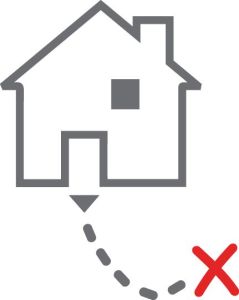
When developing the plan, walk through the home and look at all exits and possible escape routes, including windows. List two ways to get out of every room in case fire blocks one of the paths. Pick a place to meet outside, a safe distance away and – no matter the circumstances – stay out of the home until fire officials say it is okay to go back inside. All households should practice their plan at least twice a year.

People should also install smoke alarms on every level of their home, inside bedrooms and outside sleeping areas. They should test the alarms monthly, replace the batteries at least once a year and replace them every ten years. Need help developing your plan? View our charts for single, multiple and high rise dwellings.

Icon PreparednessEMERGENCY PLAN Everyone in the household should help put the emergency plan together so they know what they should do if something occurs. Because everyone may not be together at home when a disaster happens, the plan should include ways to contact one another and two places to meet – one near the home in case of a sudden emergency like a fire, and one outside the neighborhood in case circumstances prevent people from returning home. The plan should also identify an emergency contact person from outside the area in case local telephone lines are overloaded or out of service.

Any emergency plan should also include decisions about where to go if ordered to evacuate and what route to take to get there. It’s a good idea to include alternate routes in case roads are closed. Remember planning for family pets. Make sure to include places to stay for them, such as pet-friendly hotels and animal shelters, along the evacuation route.

MOBILE APPS Download today the free American Red Cross Emergency  App. The app combines more than 35 emergency alerts to help keep you safe, including information about what to do in case of floods, tornadoes and other major disasters. To find it and other Red Cross mobile apps, including Monster Guard, a fun preparedness game for kids, and pet first aid, search for American Red Cross in smartphone app stories or go to redcross.org/apps.

For more information on how to prepare for all types of emergencies, visit redcross.org.

In my what kit?

Yeah, it’s a winter Monday morning. (Photo credit: Lynette Nyman/American Red Cross)

A typical winter morning conversation at the Northern Minnesota Red Cross region HQ after a day-long snow fall and more winter weather expected:

Hey, what’s in your winter car preparedness kit? In my “what” kit? Your car emergency kit, you know, the kit with extra stuff you keep in your car during winter for emergencies? Oh, right, yeah. Boots, gloves, blanket, jumper cables. I mostly think about it in terms of keeping warm. Yeah, me too, but I think my kit needs work.

truck_snow
Does anyone want to brush off the snow? (Photo credit: Lynette Nyman/American Red Cross)

Sure, you can call us geeks (we don’t mind), but we’d rather be prepared, especially on a day like today and the days to follow, than frozen and worried. So, if you’re planning to be out and about via automobile, in addition to having supplies (e.g., scarves, gloves, & blankets) to keep warm, check your car:

  • gas tank: full (half = empty)
  • tires: inflated
  • windshield washer reservoir: full
  • driving: go slow
  • poor visibility: stay home

Of course, we offer the suggestions above knowing that you’ll keep in mind your location–the Twin Cities Banana Belt (term provided courtesy of Thief River Falls native) versus the Minnesota Frozen Tundra (term provided courtesy of Southern California native). Plus, our Red Cross water cooler conversationalists agree that urban versus rural travel shapes your kit.

For more ideas click here,

XO from the Red Cross Water Cooler!