Flooding Resources: Summer 2024

AS OF TUESDAY, July 9, 2024

More than two weeks after floodwaters inundated parts of Minnesota and eastern South Dakota, neighbors, local community organizations and government partners continue to work together to help people recover from the extensive damage.

If you need help, please visit redcross.org/mndaks and click “Get Help,” or you can call 1-800-RED CROSS (1-800-733-2767).

  1. Shelter
  2. Flooding: What to do before, during and after Inundación: Qué hacer antes, durante y después
  3. Facebook Updates: Minnesota, South Dakota
  4. Red Cross Emergency App and Flood Safety
  5. How you can help
  6. CrisisCleanup.org

Shelter

Shelters are available for people displaced by recent flooding. Shelters provide essential resources, including food, water, emotional support and information. Click here for info on what to bring, services available and more.

The Village in Waterville (Partner Shelter)
205 N 1st St., Waterville, MN 56096


Flooding: What to do before, during and after

Inundación: Qué hacer antes, durante y después

Facebook Updates: Minnesota, South Dakota

Red Cross Emergency App and Flood Safety

📱 Red Cross Emergency App: To stay informed and prepared during severe weather, download the free Red Cross Emergency app. Customize 40 different weather alerts, toggle between English and Spanish, and ensure accessibility for people with disabilities. Text “GETEMERGENCY” to 90999 or find the app in your app store.

The Emergency app includes an “I’m Safe” feature that help people check on loved ones.  Search “American Red Cross” in app stores or go to redcross.org/apps

Turn around, don’t drown. Stay off the roads. If you must drive and encounter a flooded roadway while driving, turn around and go another way.   


How you can help

Support Red Cross Disaster Relief and help people affected by disasters like flooding and countless other crises by making a financial donation today.
Your gift enables the Red Cross to prepare for, respond to and help people recover from disasters big and small, like the Minnesota and South Dakota floods.

Donate online at RedCross.org, call 1-800-RED CROSS (1-800-722-2767) or text REDCROSS to 90999 to make a $10 donation.

The Red Cross encourages financial donations, which provide the quickest and most effective way to assist those in need. Please note that the Red Cross is not accepting donations of food, household items, or clothing, as these cannot be distributed by their teams.

Volunteer for disasters
Many people have expressed interest in volunteering to support our response efforts, and we are appreciative of the offers to assist. At this time, our trained Red Cross volunteers are working this disaster.

Help us pre-stage valuable volunteers for the next disasters to help your neighbors in need – from home fires to flooding and more. Put on a red vest and join us as a volunteer today to provide relief and hope when it matters most. Visit redcross.org/givetime to check out opportunities with your local chapter.

Donate blood
Unfortunately, the American Red Cross continues to address a concerning shortfall in lifesaving donations since late spring. If you are in an area not impacted by a disaster, please keep your appointment or schedule an appointment to roll up a sleeve and donate blood.

To make an appointment simply download the American Red Cross Blood Donor App, visit RedCrossBlood.org, call 1-800-RED CROSS (1-800-733-2767).

CrisisCleanup.org

Home Cleanup Hotlines have been opened by CrisisCleanup.org to help survivors cleanup in Minensota and South Dakota. We anticipate that most volunteer groups will work through Friday, July 5. 2024. Survivors needing assistance can call 218-288-2213 in MN and 605-519-5413 in SD.

Flooding Resources: Summer 2024

AS OF FRIDAY, JUNE 28, 2024

Floodwaters continue to impact our neighbors in southeast South Dakota and southern and northeast Minnesota. The Red Cross is closely monitoring weather updates and river crest forecasts, while trained disaster responders are assisting those in need. Please see below for resources.

If you need help, please visit redcross.org/mndaks and click “Get Help,” or you can call 1-800-RED CROSS (1-800-733-2767).

  1. Clean-up Kit Distribution
  2. Shelters and Temporary Evacuation Point
  3. Flooding: What to do before, during and after Inundación: Qué hacer antes, durante y después
  4. Facebook Updates: Minnesota, South Dakota
  5. Red Cross Emergency App and Flood Safety
  6. How you can help
  7. CrisisCleanup.org

Clean-up Kit Distribution

Friday, June 28, 2024

MINNESOTA

Nobles County
Prairie Justice Center
1530 Airport Road
Worthington, MN 56187
4 p.m. – 7 p.m.

Jackson County
Red Cross teams are driving around the community today with kits. If you don’t see us, clean-up kits are also available at our shelter in Jackson.
Jackson County Community High School (JCC HS)
1128 N Hwy., Jackson, MN 56143

Windom
Mobile distribution, 2:30 p.m. to 4 p.m.
Teams delivering kits throughout the community.

Outside Windom Arena
1480 8th Ave.
Windom, MN 56101
4 to 7 p.m.

SOUTH DAKOTA

Turner County
County Building
1055 E Sanborn St
Parker, SD 57053
10:30 p.m. – 2:30 p.m.

Saturday, June 29, 2024

Davison County
Mt. Vernon Public School
500 N Main St
Mt. Vernon, SD 57363
10:00 a.m. – 2:00 p.m.

City of Mitchell
612 N Main St
Mitchell, SD
10:00 a.m.-2:00 p.m.

Shelters and Temporary Evacuation Point

If you or anyone you know is affected by this situation, safe shelter is available. It’s crucial to have a safe place during emergencies.

Shelters and a Temporary Evacuation Point are available for people displaced by recent flooding. Shelters provide essential resources, including food, water, emotional support and information. Click here for info on what to bring, services available and more

MINNESOTA

Minnesota State Mankato, Crawford Hall
710 Maywood Ave, Mankato, MN 56001

Jackson County Community High School (JCC HS)
1128 N Hwy., Jackson, MN 56143

The Village in Waterville (Partner Shelter)
205 N 1st St., Waterville, MN 56096


Flooding: What to do before, during and after

Inundación: Qué hacer antes, durante y después

Facebook Updates: Minnesota, South Dakota

Red Cross Emergency App and Flood Safety

📱 Red Cross Emergency App: To stay informed and prepared during severe weather, download the free Red Cross Emergency app. Customize 40 different weather alerts, toggle between English and Spanish, and ensure accessibility for people with disabilities. Text “GETEMERGENCY” to 90999 or find the app in your app store.

The Emergency app includes an “I’m Safe” feature that help people check on loved ones.  Search “American Red Cross” in app stores or go to redcross.org/apps

Turn around, don’t drown. Stay off the roads. If you must drive and encounter a flooded roadway while driving, turn around and go another way.   


How you can help

Support Red Cross Disaster Relief and help people affected by disasters like flooding and countless other crises by making a financial donation today.
Your gift enables the Red Cross to prepare for, respond to and help people recover from disasters big and small, like the Minnesota and South Dakota floods.

Donate online at RedCross.org, call 1-800-RED CROSS (1-800-722-2767) or text REDCROSS to 90999 to make a $10 donation.

The Red Cross encourages financial donations, which provide the quickest and most effective way to assist those in need. Please note that the Red Cross is not accepting donations of food, household items, or clothing, as these cannot be distributed by their teams.

Volunteer for disasters
Many people have expressed interest in volunteering to support our response efforts, and we are appreciative of the offers to assist. At this time, our trained Red Cross volunteers are working this disaster.

Help us pre-stage valuable volunteers for the next disasters to help your neighbors in need – from home fires to flooding and more. Put on a red vest and join us as a volunteer today to provide relief and hope when it matters most. Visit redcross.org/givetime to check out opportunities with your local chapter.

Donate blood
Unfortunately, the American Red Cross continues to address a concerning shortfall in lifesaving donations since late spring. If you are in an area not impacted by a disaster, please keep your appointment or schedule an appointment to roll up a sleeve and donate blood.

To make an appointment simply download the American Red Cross Blood Donor App, visit RedCrossBlood.org, call 1-800-RED CROSS (1-800-733-2767).

CrisisCleanup.org

Home Cleanup Hotlines have been opened by CrisisCleanup.org to help survivors cleanup in Minensota and South Dakota. We anticipate that most volunteer groups will work through Friday, July 5. 2024. Survivors needing assistance can call 218-288-2213 in MN and 605-519-5413 in SD.

Flooding Resources: Summer 2024

AS OF THURSDAY, JUNE 27, 2024

Floodwaters continue to impact our neighbors in southeast South Dakota and southern and northeast Minnesota. The Red Cross is closely monitoring weather updates and river crest forecasts, while trained disaster responders are assisting those in need. Please see below for resources.

If you need help, please visit redcross.org/mndaks and click “Get Help,” or you can call 1-800-RED CROSS (1-800-733-2767).

  1. Shelters and Temporary Evacuation Point
  2. Flooding: What to do before, during and after
  3. Inundación: Qué hacer antes, durante y después
  4. Facebook Updates: Minnesota, South Dakota
  5. Red Cross Emergency App and Flood Safety
  6. How you can help
  7. CrisisCleanup.org

Shelters and Temporary Evacuation Point

If you or anyone you know is affected by this situation, safe shelter is available. It’s crucial to have a safe place during emergencies.

Shelters and a Temporary Evacuation Point are available for people displaced by recent flooding. Shelters provide essential resources, including food, water, emotional support and information. Click here for info on what to bring, services available and more

MINNESOTA

Minnesota State Mankato, Crawford Hall
710 Maywood Ave, Mankato, MN 56001

Faribault Armory
3000 W Airport Rd, Faribault, MN 55021

Jackson County Community High School (JCC HS)
1128 N Hwy., Jackson, MN 56143

The Village in Waterville (Partner Shelter)
205 N 1st St., Waterville, MN 56096

SOUTH DAKOTA
Sioux Falls Expo Center/Lyon Fairgrounds
100 N. Lyon Blvd., Sioux Falls, SD 57107


Flooding: What to do before, during and after

Inundación: Qué hacer antes, durante y después

Facebook Updates: Minnesota, South Dakota

Red Cross Emergency App and Flood Safety

📱 Red Cross Emergency App: To stay informed and prepared during severe weather, download the free Red Cross Emergency app. Customize 40 different weather alerts, toggle between English and Spanish, and ensure accessibility for people with disabilities. Text “GETEMERGENCY” to 90999 or find the app in your app store.

The Emergency app includes an “I’m Safe” feature that help people check on loved ones.  Search “American Red Cross” in app stores or go to redcross.org/apps

Turn around, don’t drown. Stay off the roads. If you must drive and encounter a flooded roadway while driving, turn around and go another way.   


How you can help

Support Red Cross Disaster Relief and help people affected by disasters like flooding and countless other crises by making a financial donation today.
Your gift enables the Red Cross to prepare for, respond to and help people recover from disasters big and small, like the Minnesota and South Dakota floods.

Donate online at RedCross.org, call 1-800-RED CROSS (1-800-722-2767) or text REDCROSS to 90999 to make a $10 donation.

The Red Cross encourages financial donations, which provide the quickest and most effective way to assist those in need. Please note that the Red Cross is not accepting donations of food, household items, or clothing, as these cannot be distributed by their teams.

Volunteer for disasters
Many people have expressed interest in volunteering to support our response efforts, and we are appreciative of the offers to assist. At this time, our trained Red Cross volunteers are working this disaster.

Help us pre-stage valuable volunteers for the next disasters to help your neighbors in need – from home fires to flooding and more. Put on a red vest and join us as a volunteer today to provide relief and hope when it matters most. Visit redcross.org/givetime to check out opportunities with your local chapter.

Donate blood
Unfortunately, the American Red Cross continues to address a concerning shortfall in lifesaving donations since late spring. If you are in an area not impacted by a disaster, please keep your appointment or schedule an appointment to roll up a sleeve and donate blood.

To make an appointment simply download the American Red Cross Blood Donor App, visit RedCrossBlood.org, call 1-800-RED CROSS (1-800-733-2767).

CrisisCleanup.org

Home Cleanup Hotlines have been opened by CrisisCleanup.org to help survivors cleanup in Minensota and South Dakota. We anticipate that most volunteer groups will work through Friday, July 5. 2024. Survivors needing assistance can call 218-288-2213 in MN and 605-519-5413 in SD.

4 Steps To Prepare Now for Wildfire Threats

After back-to-back years of record-breaking wildfires, this year it’s more critical than ever to get ready now. Like the home and apartment fires we respond to every day, wildfires are dangerous and can spread quickly, giving you only minutes to evacuate.

Getting ready is easy with four steps.

Create an evacuation plan. Include in your plan what to do in case you’re separated from your family during an emergency and for evacuation. Coordinate your plan with your child’s school, your work and your community’s emergency plans. Plan multiple routes to local shelters, register family members with special medical needs as required and make plans for pets. If you already have an emergency plan, talk about it again with family members so everyone knows what to do when an emergency occurs.

Build an emergency kit. Include a gallon of water per person, per day, non-perishable food, a flashlight, battery-powered radio, first aid kit, medications, supplies for an infant if applicable, a multi-purpose tool, personal hygiene items, copies of important papers, cell phone chargers, extra cash, blankets, maps of the area and emergency contact information. Because of the pandemic, include a mask for everyone in your household. If you already have a disaster kit, now is the time make sure the food and water is still okay to consume and that copies of important documents are up to date.

Be informed. Find out how local officials will contact you during a wildfire emergency and how you will get important information, such as evacuation orders.

Download the Red Cross Emergency App. Our free emergency app will help keep you and your loved ones safe with real-time alerts, open Red Cross shelter locations and safety advice on wildfires and other emergencies. To download the app, search for ‘American Red Cross’ in your app store or text “GETEMERGENCY” to 90999.

In addition to preparedness, take steps to prevent wildfires.

  • Don’t drive your vehicle onto dry grass or brush. Hot components under your vehicle can spark fires.
  • Use equipment responsibly. Lawn mowers, chain saws, tractors and trimmers can all spark a wildfire.
  • Use caution any time you use fire. Dispose of charcoal briquettes and fireplace ashes properly, never leave any outdoor fire unattended, and make sure that outdoor fires are fully extinguished before leaving the area.
  • If residential debris burning is allowed — use caution. After obtaining any necessary permits, ensure that burning is not currently restricted in your area.
  • Store combustible or flammable materials in approved safety containers away from the house.
  • Find an outdoor water source, such as a pond, well, even a swimming pool, and have a hose that can reach any area of your property.
  • Create a fire-resistant zone free of leaves, debris or flammable materials for at least 30 feet out from your home.
  • Regularly clean roofs and gutters.
  • Make sure driveway entrances and your house number are clearly marked so fire vehicles can get to your home.

Back-to-school: 6 Pro Tips for Teachers and Students

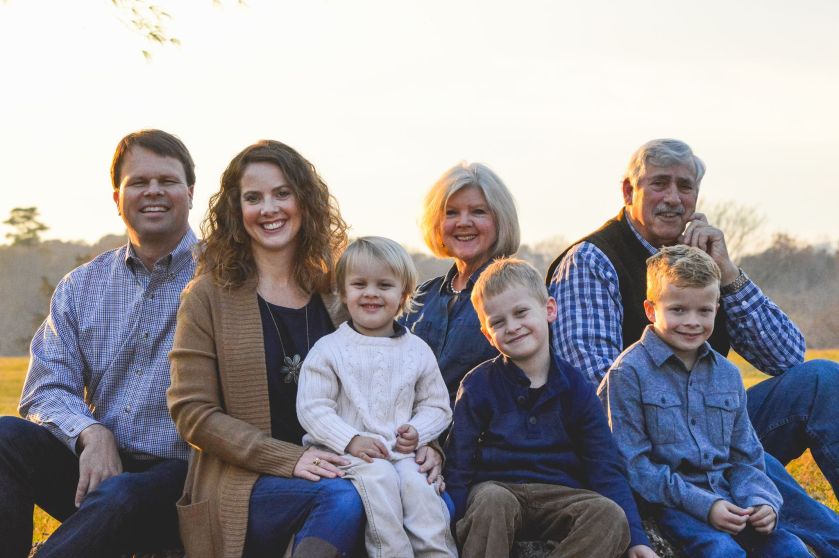
Glenna Housman and her family. Photo courtesy of Housman family.

It’s officially that time of year again: back-to-school. We know many of you may be getting your little ones ready for their first day, or settling into the groove of things with classes back in session. It’s a chaotic week for families, students and staff. In an effort to help get your kids prepared and to help prepare teachers, we talked to some experts in education, namely Glenna Housman, a middle school nurse in Virginia.

“We know that when it’s time to get kids ready to come back to school, parents’ lives get a little hectic,” says Glenna. “Staff members tend to rely on parents to share a lot of information about their students, but I think it’s also very important for teachers and school administrators to take certain prep steps, too.”

Here are 6 tips for teachers and students alike to be Red Cross Ready as they embark on the new school year:

Get a Kit

  • Think about emergency preparedness items you don’t already have in your classroom. Some good supplies to have on hand are a flashlight and cell phone charger in case the power goes out. We tend to rely on our technology in times of crisis, especially to communicate.
  • Talk to your school nurse and ask for an extra batch of first aid items like gauze pads and bandages without latex (in case of allergies), for emergencies or if you can’t get to the nurse’s station right away.
  • Know which students have allergies and which ones do not. If you’re a parent, we suggest putting a supply kit together in your student’s backpack. If they have allergies or certain medical needs, be sure to have those things noted for the teacher. If you’re a teacher, have some snacks in your classroom that can be used for kids with allergies or diabetes. Some examples include non-peanut snacks, non-perishables, hard candy. Also be aware of allergies to things like grass or wood chips often found on playgrounds, in case a student has an allergic reaction at recess.

Make a Plan

  • Know where to go for emergencies like a tornado or fire in the cafeteria. Most schools have policies in place and practice drills regularly. If your school doesn’t have these policies already in play, talk to your administrators and staff about how to protect your students.
  • Don’t forget to update your child’s school health records. These records should be updated at the beginning of every school year. Any health care plans signed by the doctors are needed each fall for food allergies, inhalers, diabetics, sickle cell anemia, etc. so teachers and nurses are well-equipped to treat your kids.
  • Talk with your class about what to do in emergencies. Keeping the steps simple and easy to follow will help them remember when you practice.

Be Informed

  • While we hope your school year goes off without a hitch, we know it’s always best to be prepared for whatever may happen.
  • If you’re on top of emergency preparedness, then you’ll be teaching your students a good life skill and making their parents feel better while they’re under your care.
  • If it’s not already, your school could be a Red Cross shelter if disaster strikes. Learn more about how to make your facility a safe space with Red Cross Ready Rating.

This post was originally published on Red Cross Chat and is published on this blog with permission. 

Red Cross prepares for disasters that could cross the northern border

Across northern Minnesota, American Red Cross disaster relief responders are working towards hosting a disaster shelter workshop in each county and tribal community. Most recently, the Red Cross teamed up with Koochiching County employees. In addition, the Red Cross connected with response partners across the U.S.-Canadian border because, as we know, ‘disasters don’t go through customs.’

Nancy Johnson with
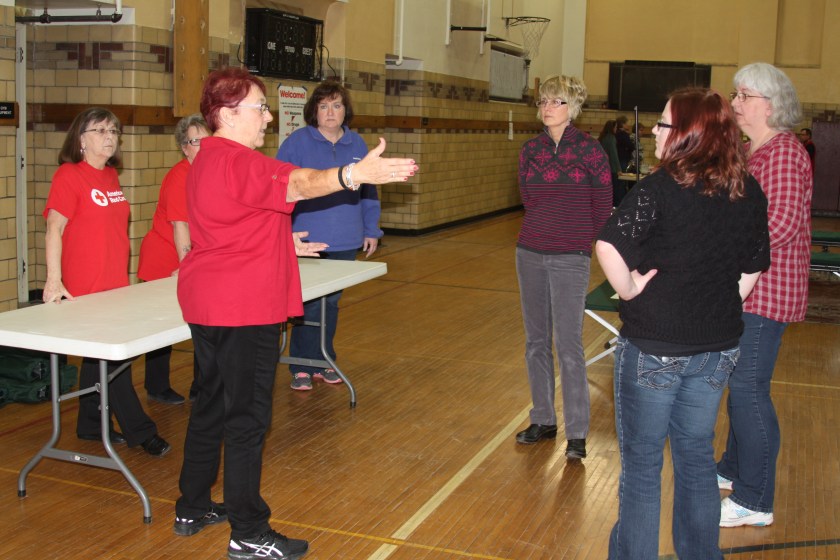
Nancy Young with the American Red Cross Dakotas Region guides shelter training participants during a workshop in Koochiching County, March 2016. Photo credit: Richard Johnson/International Falls Journal

The training week started with a shelter set-up that included twenty-four Koochiching County employees. (The workshop was a smaller version of what was used for the statewide Vigilant Guard exercise in Duluth in the fall of 2015.) Before the participants arrived they completed the American Red Cross Shelter Fundamentals course online. During the on-site part of the training, a Red Cross team of three volunteers from the Minnesota and North Dakota guided the shelter participants. (The cross-border collaboration between states has been in place for more than two years because we’re often called to respond together.) The workshop was set-up in three stations: registration, dormitory, and feeding. There was also a training for disaster nursing. After the two-hour workshop there was an open-house for the community members who were not in the training to ask questions and to see how the Red Cross and Koochiching County can work together to shelter displaced people during disaster relief response. The Salvation was also on hand serving lunch to all who participated. (Thanks!)

rco_blog_img_CrossBorderConference2016A cross-border conference called “Disasters Do Not go Through Customs” followed the shelter training. Sponsored by the Rainy River Cross Border Planning Group, the conference  brought together around one hundred people from both sides of the U.S.-Canadian border who could work together during major disasters affecting both sides of the international border. Presentations included managing potential threats, such as train derailments, floods, tornadoes, biological outbreak, communication failures, quarantine, wild fires and terrorism. All levels of government were represented from both Canada and the United States. Railroad representatives addressed one of the biggest concerns throughout the emergency management world: train derailments involving large amounts of oil carried by rail.
Less than twenty fours after the end of the conference there was a train derailment in Callaway, Minnesota. The accident forced the town of more than 200 people to be evacuated. Red Cross volunteers from North Dakota and Minnesota as well as Salvation Army relief workers were on-scene, providing the care and sheltering that we have trained for and do so well.

Story by Tony Guerra, Disaster Program Manager for the American Red Cross Serving Northern Minnesota. You can be a Red Cross disaster relief volunteer.

Severe Weather Awareness Week, April 13-17, 2015

91809SevereStormSlideshow1The recent tornadoes in Illinois are a sober reminder that disasters happen anytime and anywhere. In the Upper Midwest, we experience heavy storms, flooding, and tornadoes. During Severe Weather Awareness Week, April 13-17, take a moment, or two, and review your preparedness plan; check-in with loved ones, neighbors, and friends about their readiness for emergencies; and update your disaster kit so that you’ll have what you need when you need it most.

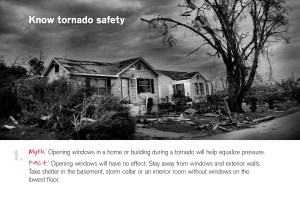
To get more Red Cross safety information for specific emergencies, click here.  We encourage everyone with mobile device to download the Red Cross Tornado App. This free app features a siren warning, a shelter locator, and instructions on what to do during and after a tornado. Information is available even if there is no mobile connectivity. You can also learn more about tornado safety by viewing this myths and facts slide show.

To help people affected affected by disasters big and small, click here. Your gift enables the American Red Cross to prepare for, respond to and help people recover from disasters. You can donate by visiting redcross.org, calling 1-800-RED CROSS or texting the word REDCROSS to 90999 to make a $10 donation. Your donation helps provide food, shelter and emotional support to those affected by disasters.

Playing Monster Guard teaches Aryn about disasters

In two days, Aryn Gill, 7, graduated from rookie to member playing the American Red Cross Monster Guard mobile app that prepares kids for real-life emergencies. Photo credit: Lynette Nyman/American Red Cross
Aryn Gill, 8, graduated from rookie to member in two days playing the American Red Cross Monster Guard mobile app that prepares kids for emergencies. Photo credit: Lynette Nyman/American Red Cross

Kids can learn just about anything these days. With help from the American Red Cross Monster Guard mobile app, they can learn about how to prepare for and respond to a variety of real-life emergencies, including tornadoes, floods, and other weather disasters. Take Aryn Gill who’s 8 years old.  “I finished it in two days. BOOM!,” she says after demonstrating how to play the game. She learned “how to cope when I’m in a disaster, when I’m scared. I need to feel calm, take a deep breath and blow it out.” She also learned about getting supplies and going to a safe place during a hurricane; screwing shelves to walls before earthquakes happen; and covering her mouth with a damp cloth if she doesn’t have a mask during a volcano. Home fire safety was a big learning moment, too: “I didn’t know I needed to make a primary escape plan.” And checking smoke alarms is really important she says, especially checking batteries: “once every month make sure your smoke alarms work.” Aryn’s not a disaster rookie after finishing all Monster Guard levels and becoming a member. “I tell other kids they should play so they can learn about disasters, too.”

Story and photo by Lynette Nyman/American Red Cross

Resources to help youth prepare for emergencies

The Red Cross has free and easy resources to help young people and their families prepare their households for several types of situations from power outages to tornadoes:

  • monster-guard-flood-screenshotThe Monster Guard: Prepare for Emergencies App provides 7-to-11 year-olds a fun, gaming environment to learn how to prevent emergencies, like home fires, and what to do if severe weather or natural disasters occur. Using the app is an exciting way for children to learn, practice the lessons and share the information with family and friends.
  • The Red Cross worked with Disney to develop the “Mickey and Friends Disaster Preparedness Activity Book.” The book teaches children and families how to prepare for and respond to a wide range of disasters and emergencies through interactive games and activities. The book is available to download in English and in Spanish.
  • Other Red Cross emergency preparedness apps contain a ‘Make a Plan’ feature that allows users to create their plan and share it with their loved ones.
  • A Family Disaster Plan Template is available to download.

This year, resolve to be more prepared for emergencies

What are your 2015 resolutions? Losing weight? Yep. Eating healthy? For sure. Preparing for emergencies? Um, no, you’d not thought of that, right? We ask that you do because we see every day the impact disasters–mostly house fires–have on people. So, below are 12 actions, one for each month, that you can take to become more prepared by the end of 2015!

  1. Download a Red Cross mobile app.m40340177_everyday_apps_763x260
  2. Learn about how to prevent fires in your kitchen (the number one cause of house fires).
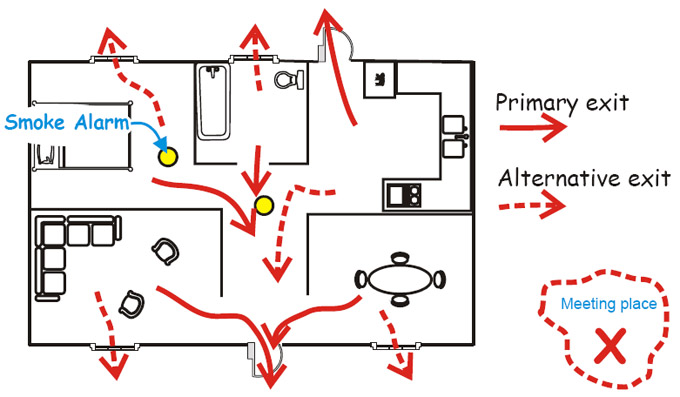
  3. Talk with your family about having two ways out of every room in the house to ensure that each of you knows how to get out in case of a fire.
  4. Make a disaster plan with your family. By having a disaster plan each member of your family will know where to go if there is a disaster as well as having other important information on hand.fireescape_image
  5. Check your smoke detectors twice a year to ensure that they are in working condition.
  6. Complete the home fire preparedness checklist.
  7. Build a disaster kit, so you have the items you would need in case you have to evacuate.
  8. Learn how to prepare for members of your family with special needs like children, pets, individuals with disabilities and seniors.
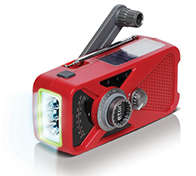
  9. Purchase a weather radio so you can be informed during weather related disasters.
  10. Learn about the weather warning systems and what each warning means.m37640104_196x176-emergency-radio
  11. Put together a car kit that has items you might need if you get stuck during a winter storm.
  12. Tell your family and friends about the importance of being prepared and challenge them to take the steps above.

Report back about your success as you move forward. Want additional guidance? We’re here for you. Call us at (612) 871-7676 and ask for Jenn in Disaster Cycle Services.

Have a fabulous 2015!