New Social Advocates Supporting Red Cross Heroes

For the first time in our Red Cross region, and throughout the Red Cross nation-wide, local social media power is pulling together to support the Red Cross and Heroes Awards winners. Using their own digital capital, this new team of Social Advocates will share our Northern Minnesota Region’s Heroes stories of helping others in a great time of need. This work, which the Social Advocates are doing freely as good will for a great cause, will promote the Red Cross mission to alleviate human suffering in times of emergency.

Please join us in welcoming the new Social Advocates. Follow them. Like them. The Social Advocates will be on hand at the 2014 Heroes Breakfast in Minneapolis on June 5. Go here to read more about the 2014 Heroes. Our event hashtag is #MNHeroes14. 

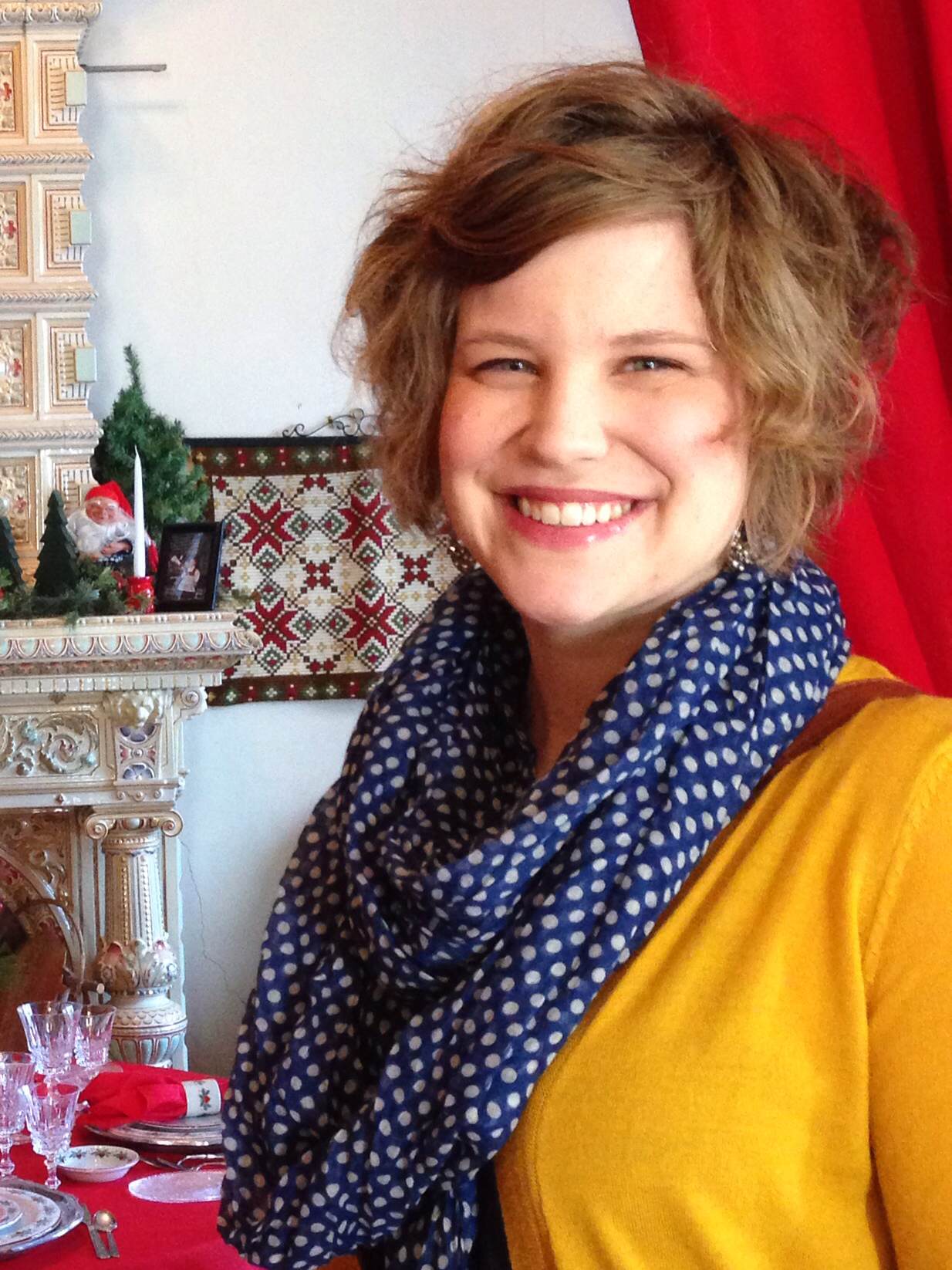
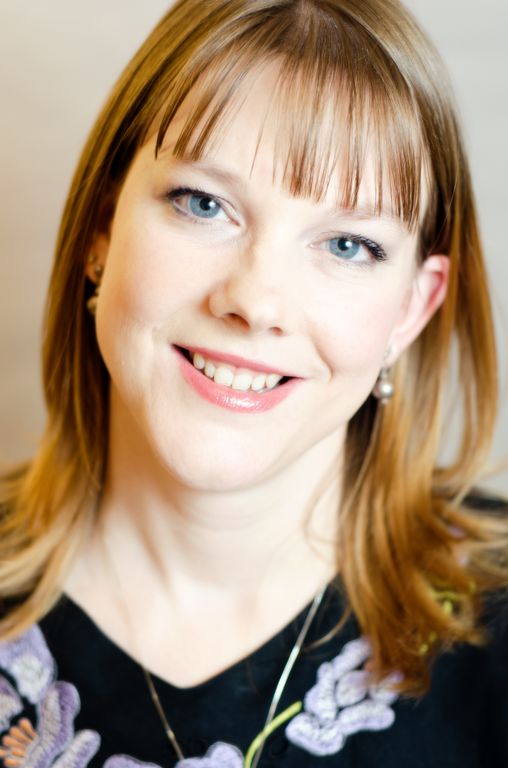
LizLiz Heinecke – Science Extraordinaire | Educator | Writer | Mom

After working in molecular biology research for ten years, Liz Heinecke left the lab to kick off a new chapter in her life as a stay-at-home mom, sharing her love of science with her three kids and journaling their science adventures on her KitchenPantryScientist.com website.  Before long, she was demonstrating science on TV and had co-created KidScience app for iPhone/iPod Touch. Her book, Kitchen Science Lab for Kids (QuarryBooks.com) shares 52 fun science experiments for all ages and will be on shelves Aug.1, 2014.

Liz graduated from Luther College and received her master’s degree in bacteriology from the University of Wisconsin, Madison. You can find her at home in Minnesota, wrangling her kids, writing for her website, updating KidScience app, teaching microbiology to nursing students, singing, playing banjo, painting, running, and doing almost anything else to avoid housework.

Follow Liz on Twitter: @KitchPantrySci

Like Liz on Facebook: https://www.facebook.com/KitchenPantryScientist

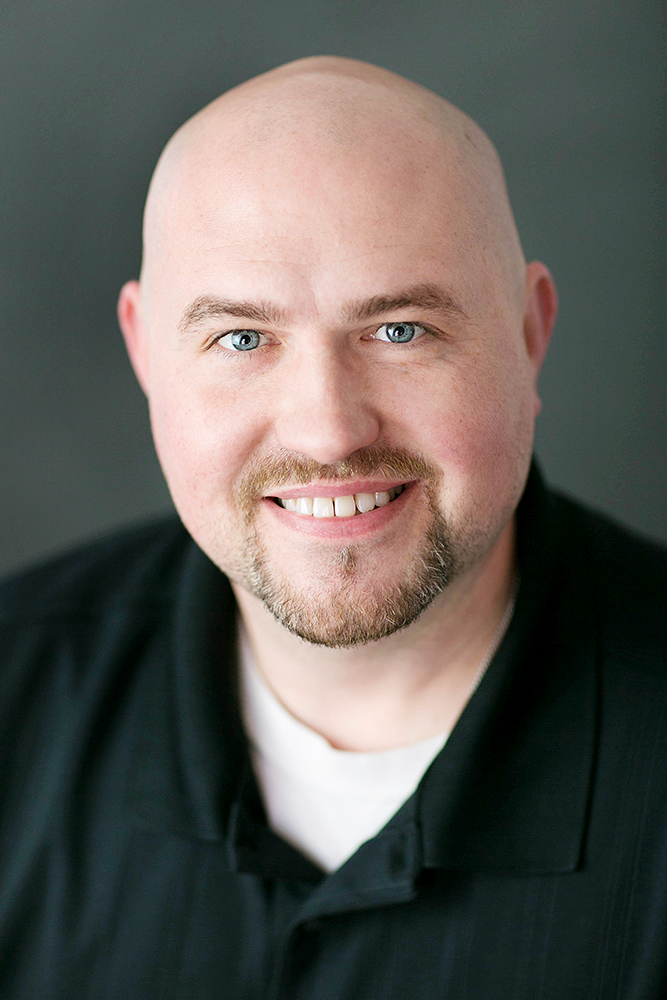
Stephen LitelStephen Litel – Writer | Blogger | Father

Stephen Litel is a father of two and a former sports writer who now blogs at Stephen Says. His blog focuses on the pursuit of happiness—acknowledging his own battles with depression—and how only true happiness can come from an internal pursuit, not chasing things outside of yourself. Between writing about happiness, being a parent of an autistic child, stretching his comfort zones and the life lessons learned from each, Litel has a lot to talk about.

Follow Stephen on Twitter: @StephenLitel
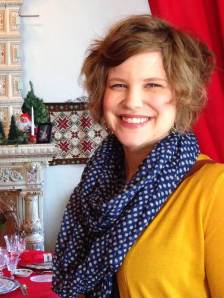
 

Aly WallbergAly Wallberg – Healthcare Marketer | Public Speaking Expert | St. Paul Tweetup Coordinator

Aly Wallberg is a communicator, speaker and volunteer. She brings experience in health care, nonprofit development and post-secondary teaching to her current role as Marketing Account Specialist at Blue Cross and Blue Shield of Minnesota. A proud Saint Paulite, she currently coordinates the Saint Paul Tweetup, a casual networking group that meets monthly to celebrate all the fair city has to offer. She has served as a mentor with Big Brothers Big Sisters since 2011. Aly also loves reading, yoga and hanging out with cats and dogs.

Follow Aly on Twitter: @AlyWallberg
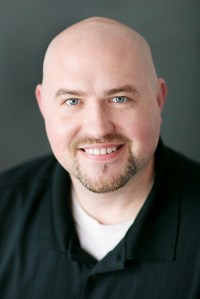
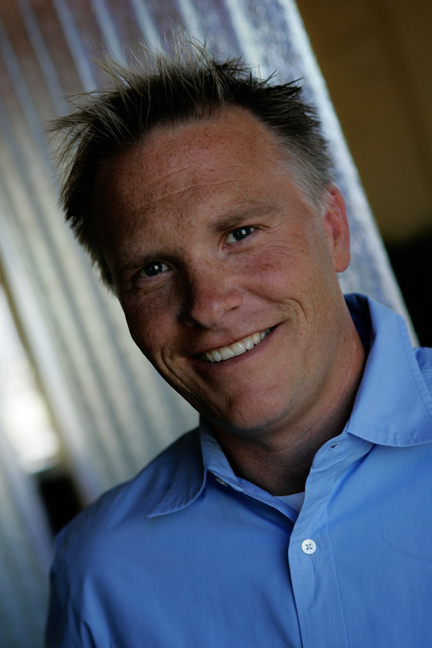
Scott JohnsonScott K. Johnson – Diabetes Advocate | Writer | Speaker

Scott K. Johnson was diagnosed with type 1 diabetes in April of 1980. He has been writing about his struggles and successes with diabetes since late 2004. He is currently blogging at Scott’s Diabetes, working as the Communications Lead, USA for mySugr, and contributing to many other diabetes related projects.

Scott works full time in the diabetes space as a freelance writer, speaker, and consultant, and says, “Living my life and telling my story allows me to bravely advocate for type 1 diabetes awareness and give back to a community that has improved my life in so many ways.” Scott lives with his family near the Minneapolis, MN area.

Follow Scott on Twitter: @ScottKJohnson

Like Scott on Facebook: https://www.facebook.com/scottkjohnson.diabetes
Tami CabreraTami Cabrera – Small Business Owner | Community Volunteer | Mother | Lover of all Things Cheesecake

Tami Cabrera grew up in the restaurant industry and is the owner of Muddy Paws Cheesecake Co. After moving here from the Chicago area in 1991, Tami could not find the cheesecake she’d grown up with. After searching several years for it, she decided to make and sell her own. She rented a small hourly kitchen and within a year her business had grown enough to leave her job to take the business full-time. Today they produce some of the finest cheesecake in the nation and have won dozens of local awards including Best Cheesecake Minnesota by the viewers of WCCO. She has been featured on the Food Network, WCCO, Kare 11, Twin Cities Live, and was chosen in 2011 to go to the White House for her work in social media. Cabrera won the Minnesota Social Media Marketer award for 2010. When she’s not at the bakery, she spends time with her four small children, her three dogs, a second small business, and she volunteers at Perspectives Inc. as a guest chef. Tami also is on the Program Advisory Committee at Le Cordon Bleu.

Follow Tami on Twitter: @TJCabrera

Like Tami on Facebook: https://www.facebook.com/MUDDYPAWSCHEESECAKE
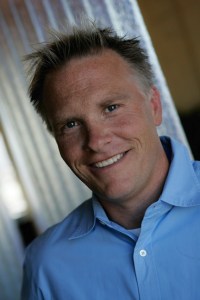
Kevin SchreifelsDr. Kevin Schreifels – Chiropractor | Father | Educator | Blogger | Runner

Dr. Kevin Schreifels is the Owner of Lyn Lake Chiropractic, the Official Chiropractor for the Medtronic Twin Cities Marathon, Clinical Faculty of Northwestern Health Science University, Guest Lecturer at the University of Minnesota on running injuries and prevention, and Blogger on health issues and prevention.

Kevin has run more than 10 marathons, 10K’s and triathalons, and has raced with the Kenwood Cycling Team. His first date with his wife was a run around Lake Harriet. He’s a father of 3 beautiful girls and everyone that knows his family knows that on any given day or weekend they are all either running around the lakes, biking or skiing. Kevin spends a great deal of volunteering at local schools, running clubs and businesses educating people about health and awareness.

Follow Kevin on Twitter: @lynlakechiros

Like Kevin on Facebook: https://www.facebook.com/LynLakeChiros
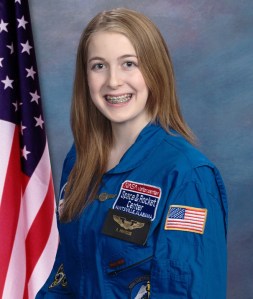
Abigail HarrisonAbigail Harrison – Future First Astronaut to Mars | Student | STEM Classroom Educator | Motivational Speaker

Abigail Harrison aka Astronaut Abby is a junior who attends South High School and the University of Minnesota. Abby has a dream to be the first astronaut to Mars. She has taken her dream online and built a community of over 150,000 followers and fans who support her dream. In turn, Abby has setup a worldwide outreach program in which is speaks to schools and events near and far about space, STEM and reaching for dreams. Abby has taken a leadership role in the space community promoting the Future of Space. Recently Abby was invited to give a TEDx talk in Tampa Bay and as she stated in her talk her Tedx dream was that each member of the audience would leave with inspiration to Dream Big, Act Big and Inspire Others.

In Abby’s spare time, she is a committed athlete training year round in gymnastics, loves reading science fiction and has developed a keen interest in extreme sports, such as her recent experiences of bungee jumping and becoming a certified scuba diver. She looks forward to her next experience, which she hopes will be parachuting, parasailing, skydiving or pretty much anything that includes flying.

Follow Abby on Twitter: @AstronautAbby

Like Abby on Facebook: https://www.facebook.com/AstronautAbby
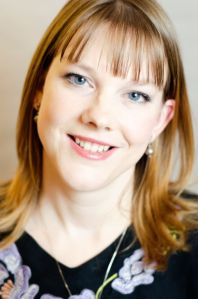
Jamie HeilJamie Heil – Pediatric Intensive Care Nurse | Blogger | Mom

My name is Jamie and I am the proud mom of four kiddos- two of which were born to me, one of which is 4-legged, and the other is my hubby….because let’s be honest, sometimes husbands take as much work as kids and dogs do! My husband and I have been happily (for the most part) married for 13 years and our girls are in preschool and second grade. Our four-legged daughter is a French Bulldog.

During the week I am a blogger at ToysInTheDryer.com and a social media addict. On the weekends I am a pediatric intensive care nurse. Yes, you read that right, I work on the weekends so I can stay home with my girls during the week. I am a true extrovert, lover of wine, photography, frogs, and the colors pink and yellow.  I am a tom-boy at heart, but don’t mid getting girly every now and then. I really wish I could play the violin.

Follow Jamie on Twitter: @ToysInTheDryer

Like Jamie on Facebook: https://www.facebook.com/ToysInTheDryer
Thinking of Summer

By Lynette Nyman/American Red Cross

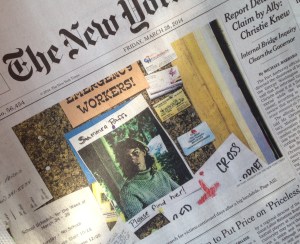
NYT CoverSummer Raffo. I think I will always remember this name. This name, seen in a New York Times cover photo on March 28, 2014, made the Oso mudslide real for me. Seeing a personal plea for her rescue, wrapped by words for emergency workers and Red Cross, from someone who loved her forced my own tears to roll in a public place, surrounded by people sipping coffee, using their computers, and chatting with friends and neighbors. My reaction to the photo, I think, was normal. Finally, after seeing other images and reading other stories, this tragic, heartbreaking, life-changing event became real in my own heart. From a distance, I was affected, feeling the grief of losing someone dear, as if Summer were someone I knew. And so I was reminded that taking care of myself, even from many many miles away, is important for me and the people around me. The Red Cross tips mentioned below remind me that taking care of myself is a way of helping. Later that morning, I searched online for Summer’s name, wondering if there was an update. And there was. Summer Raffo was one of those who perished in the mudslide. Her brother said in one news report that there was some relief for her family to find her and to know. And from miles away, me too.
Some tips from the American Red Cross for taking care during disaster response…this is a difficult time for the entire community responding to and watching this event. It’s important for people to connect with and support each other. Events like this can cause feelings of uncertainty and anxiety since no one knows for sure what will happen next. Remember that it’s okay to feel nervous. Take care of yourself. Eat healthy, drink plenty of water and get enough rest. Be patient with yourself and others. It’s common to have any number of temporary stress reactions such as anger, frustration and anxiety. This is a time where people should take care of themselves and their families. For example, reach out to others to offer and receive support. Parents should let their children talk about their fears and then reassure them about their safety. People should also be careful not to overexpose themselves to media reports about the tragedy. 

50-Year-Old Letter Brings Red Cross Reminder

Post by Lynette Nyman/American Red Cross

returned letter
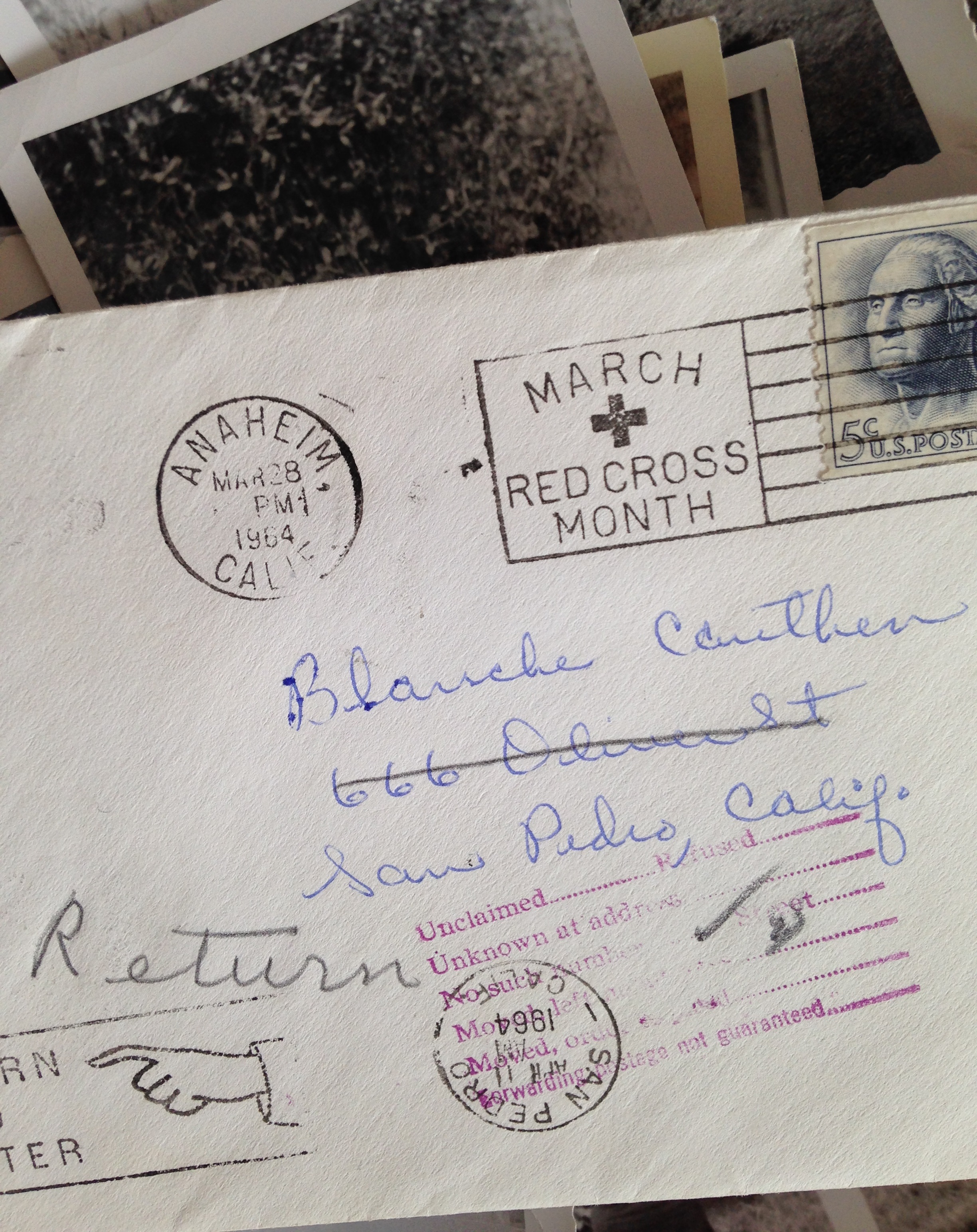
A 50-year-old letter with stamp cancelled “March is Red Cross Month” mark.

Recently, I was sorting through some old photos when I came across a letter that my mother Yvonne wrote nearly fifty years ago. She wrote it after her mother died in 1964. It was addressed to a family friend, but was sent back “return to writer” because no such address number was found. The 5 cent stamp on the envelope was cancelled with a mark that caught my eye: March is Red Cross Month. And so I opened and read it and learned of my mother’s great sadness from a loss too soon. While sharing the letter now, I wonder if Red Cross training in first aid and learning the signs of heart attack could have made a difference, giving everyone more years together and breaking fewer hearts.


March 26, 1964

My Dearest Blanche,

     …Mom had a heart attack Feb. 28, 4:30 A.M. She was taken to the hospital and lived seven days. We thought she would pull through but apparently the heart was damaged over half after the first attack. She suffered two more attacks Fri. night on March 6 and passed away 10:30 A.M. Sat. morning March 7.

     Our hearts are just broken. All of us are still in a state of shock as you know what this can do to a person. 

     Mom was looking real well before this happened. We did not know her heart was bad at all.

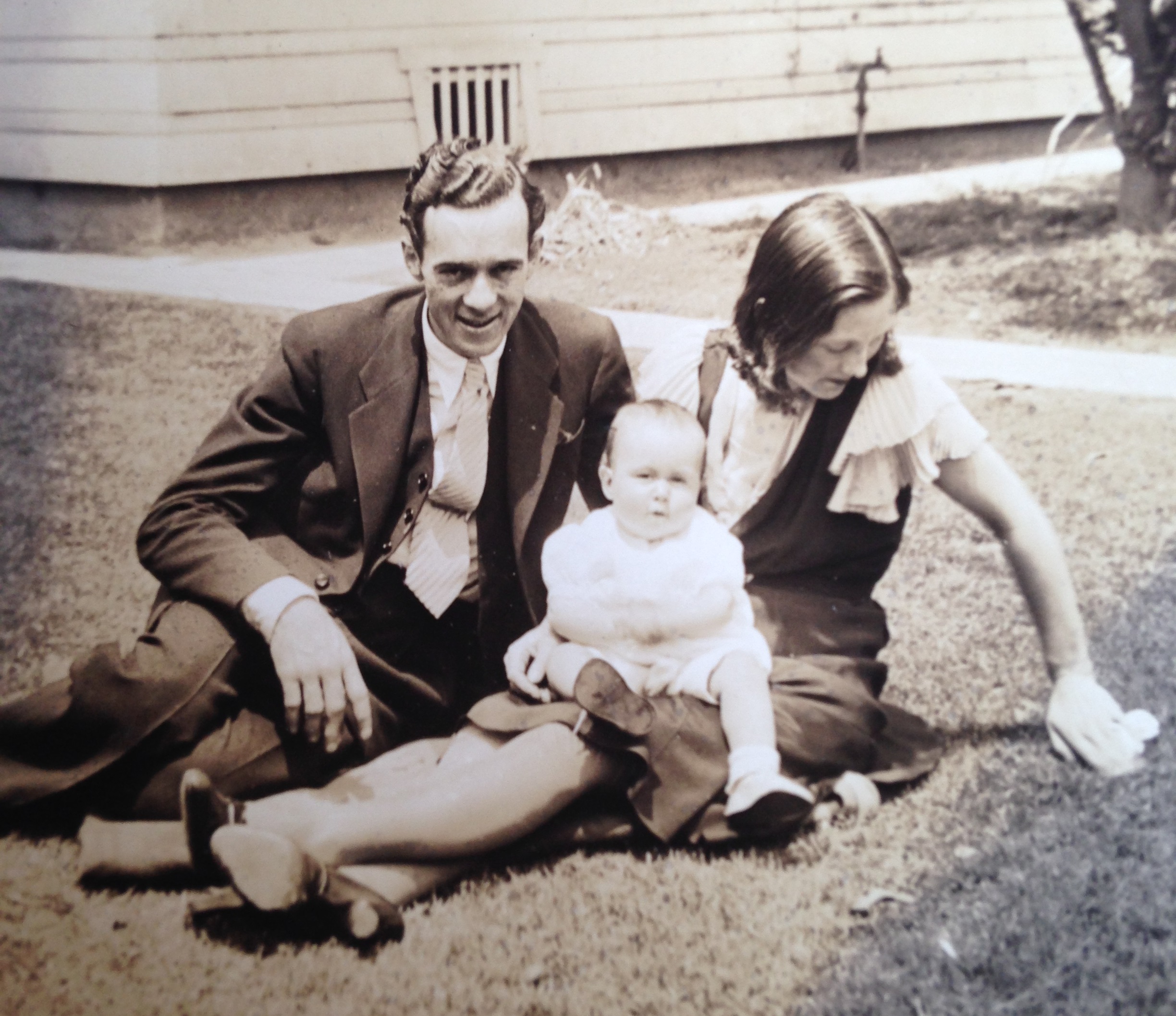
george and nola
Baby Yvonne with her mother Nola and father George in Los Angeles, circa 1930s.

     Mom was with Bill & I the weekend before. She & dad came over on Saturday and she had her 58th birthday Feb. 23. I baked her a cake and we had dinner home. I took them home on Tues. and she looked fine as far as I could tell.

     …on Thurs. night…just about 4:30 A.M. Dad woke up and heard her praying. He thought she was dreaming and reached over to shake her as he always did if she had a bad dream and when he did she said to him don’t it’s my heart. He jumped out of bed and asked her if he could get her some water. By the time he got back she was vomiting. She had an acute attack and vomited most of the time while in the hospital.

     Blanche, I will never get over this. I never dreamed mom would go this young in life. She was such a wonderful mother always. I feel like everything is drained from me.
I just miss her terribly. Dad is broken hearted. He never thought mom would go so fast. He said he knew she would get well.

     Blanche, I guess life ends very quickly sometimes & we are never prepared or ready for death ever. And it is so hard to accept. If you are ever out here come to see us! Dad will be with me now. Hope you are fine.

Love,
Yvonne

Yvonne and "her lover boy" Bill, circa early 1950s.
Yvonne and “her lover boy” Bill, circa early 1950s.

Decades later my father Bill (pictured left) had several heart attacks in his early 50s. We recognized the heart attack signs the second time around, but no one in the family was Red Cross-trained in lifesaving skills. Several years later I became a Red Cross volunteer instructor in C.P.R. and First Aid. Finally, one person in our household was trained. Because  of my personal experience with life-threatening emergencies and because it’s March, the official month of the year that we celebrate all things Red Cross, I encourage every one to take any step that can make a difference. Take time to take a Red Cross class and get trained with lifesaving skills that could benefit both you and your loved ones.

Eden Prairie Students Lift Military Heroes Hearts

(R to L) Students Shea Brennan, Jenny Leestma, and Bella Wheeler, with regional executive Phil Hansen (far left).
(R to L) Students Shea Brennan, Jenny Leestma, and Bella Wheeler, with Red Cross northern Minnesota regional executive Phil Hansen (far left).

Last fall, two Eden Prairie High School business clubs engaged their entire school in a massive Holiday Mail for Heroes card-signing event for the American Red Cross.

The group, led by seniors Jenny Leestma, Bella Wheeler and Shea Brennan, worked with their principal to distribute blank cards to each homeroom, hang posters and banners throughout the school building, and even created a program where students could sign multiple cards in exchange for required volunteer hours. In the end, the students collected over 1,500 cards for deployed soldiers and veterans and estimated that 1,000 students participated in the project.

After the event, students read through the signed cards to ensure all messages were appropriate. “We saw that [the project] touched the students when we began to read through the cards and saw the amazing thought and effort put into so many of them,” says Jenny Leestma, one of the student leaders of the project. “It was truly a blessing to contribute to such an amazing program!”

Holiday Mail for Heroes is an annual event coordinated by the Red Cross Service to the Armed Forces Department, which supports members of the U.S. Military, its veterans and their families. This past year, people from across the country sent a record number of 2.1 million cards, including the cards from the Eden Prairie High School students.

The American Red Cross also has additional way for groups of youth to get involved with our programs. For more information please visit our website.

Thank you to the students at Eden Prairie High School for enthusiastically participating in Holiday Mail for Heroes, and extra thanks to the DECA/BPA students who worked so hard to make this year’s event a huge success!

Story by Lisa Joyslin, Volunteer Resources Director, American Red Cross Northern Minnesota Region. Photo credit: Lynette Nyman/American Red Cross

Blood donations helped save preemie who was a “keeper walleye”

During this last week of National Blood Donor Month, we share this personal story from Michelle Rydberg at the American Red Cross St. Croix Valley Chapter based in Bayport, Minnesota. Thank you blood donors who helped save Madeline Rose’s life!

family pic nicu (2)
Michelle and Chris hold their baby girl two weeks after her premature birth, St. Paul, MN, 2006.

August 2006 was the scariest time of my life.  What was supposed to be a routine prenatal visit, ended days later with an emergency c-section when I was diagnosed with preeclampsia, a condition that’s defined as high blood pressure and excess protein in the urine. Left untreated, preeclampsia can lead to serious, even fatal, complications for both the mother and baby. The only cure for this is delivery at 29 weeks. My little girl was about to be born 11 weeks early and I knew that she wasn’t ready. They were able to keep me stable enough for two days so that I could get a steroid injection to help develop her lungs. I wasn’t allowed to have visitors, phone calls, watch TV or even have bright lights on for fear that I would have a stroke or seizure. I just listened to that little heartbeat.

When it came time for delivery, I was terrified. I didn’t know what to expect. I was scheduled to take my first birthing class that night! They needed to do a c-section because the baby was breech and moving her for a natural delivery would cause too much stress on me and her. The procedure was fast and she was born without complications. They brought her to me for only a moment before taking her to the Neonatal Intensive Care Unit (NICU) at Children’s Hospital in St. Paul, Minnesota. Two pounds, ten ounces, fifteen inches long; my husband called her a “keeper walleye.”  I couldn’t believe how small, yet how perfect she looked. Like a tiny rosebud. And so, her name came to be Madeline Rose.

Madeline holding fingers (bigger)
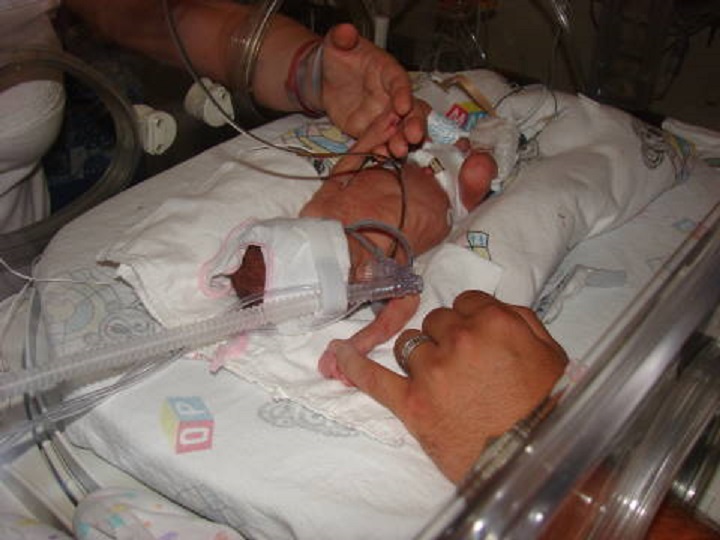
Madeline Rose, two days old, needed blood donations that would help save her life, St. Paul, MN, 2006.

The excitement of becoming new parents was taken away from us as we had to see our little girl hooked up to machines, with wires monitoring everything. Her hands were so little that they fit through her dad’s wedding ring. Luckily the steroid shots worked, because her lungs were strong enough that she did not need a ventilator. Her hemoglobin, however, was low and she was very weak.  She wasn’t interested in eating and was having several “episodes” where she would stop breathing. They recommended doing a blood transfusion. 

I work for the American Red Cross and have been telling people for years the importance of blood donation. It wasn’t until my own daughter needed one, that I realized just how important this truly is. She needed something to help her survive and it was not something that myself, my husband, the doctors could just fix with medication or a procedure. She needed blood. Blood from a complete stranger. Madeline was in the NICU for two months before we were able to bring her home.  During that time she had two blood transfusions. Without them, I don’t know if she would have had the strength to survive.

Madeline 2nd grade (2)
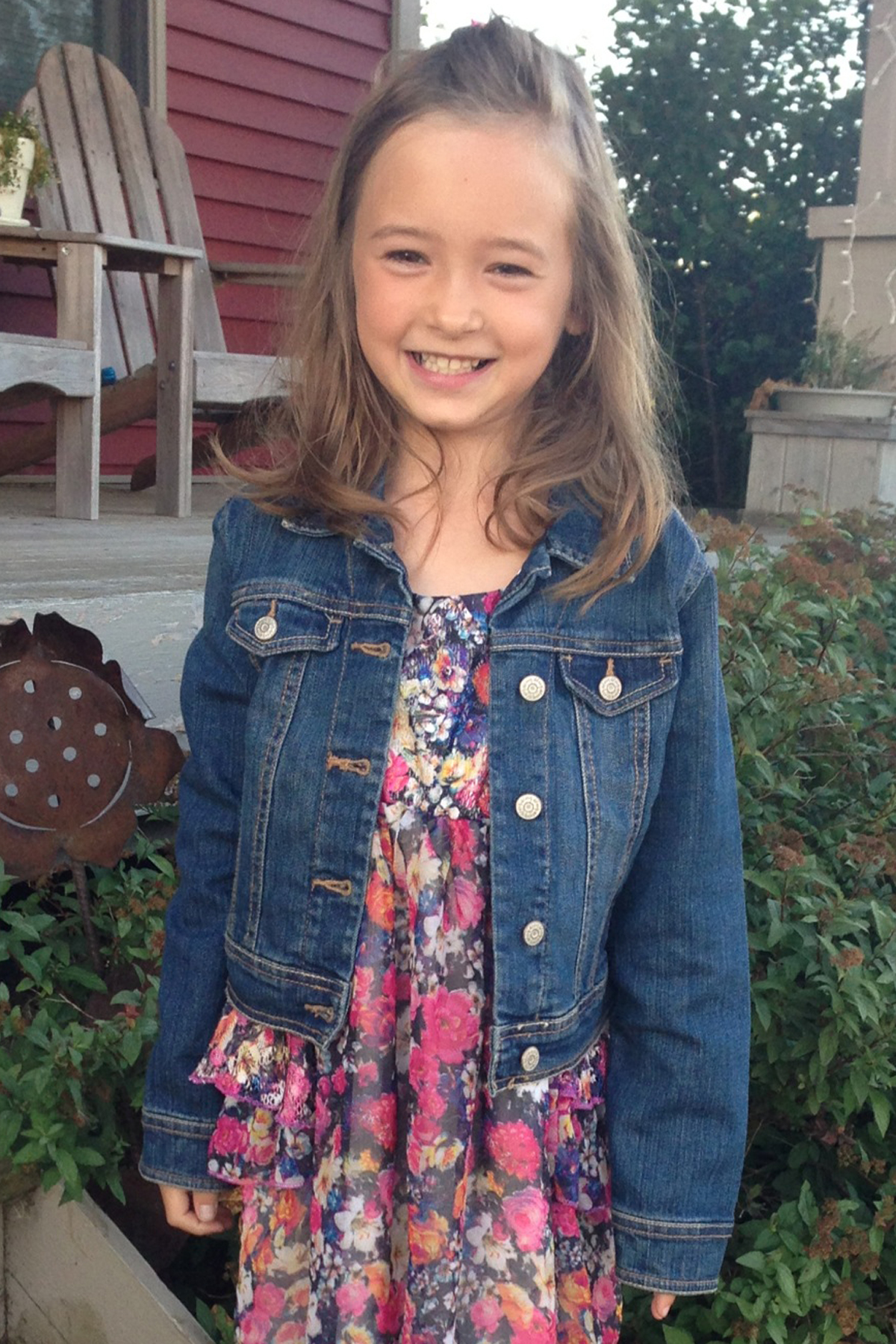
Madeline Rose, 7 years old, received blood transfusions that helped save her life after she was born prematurely in 2006.

Madeline Rose beat the odds and graduated from the NICU follow-up clinic with flying colors. She has absolutely no developmental delays or complications from being a preemie. She is now a happy, healthy, smart, beautiful, feisty seven-year-old who excels in school and life.

I recently gave blood and brought Madeline with me, not only because she was interested in the process, but because I wanted her to see the kindness in people, giving their own blood to save the lives of others.  I asked her what she thought as we were leaving and she said, “that’s pretty cool.” Yes, it is pretty cool. I encourage anyone who is healthy, to donate blood. It’s only an hour of your time, but can mean a lifetime to someone who needs it.

Click here to learn more about blood donation and to schedule a blood donation appointment. 

WOOF! MEOW! New First Aid App for Pets!

Pets are an important part of many families, and a new Red Cross Pet First Aid App puts lifesaving information right in the hands of dog and cat owners so they can provide emergency care until veterinary assistance is available.

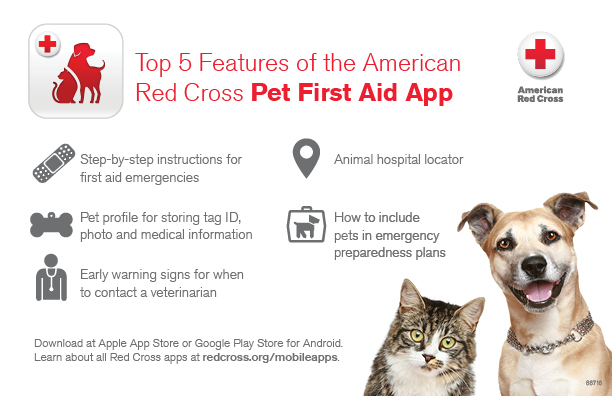
Pet First Aid App Infographic

The 99 cent Pet First Aid app from the American Red Cross gives iPhone and Android smart phone users instant access to expert information so they learn how to maintain their pet’s health and what to do during emergencies. Pet owners learn how to recognize health problems and when to contact their veterinarian.

The Pet First Aid App provides step-by-step instructions, videos and images for more than 25 common first aid and emergency situations including how to treat wounds, control bleeding, and care for breathing and cardiac emergencies. Additional topics include burns, car accidents, falls and what to do for cold- and heat-related emergencies.

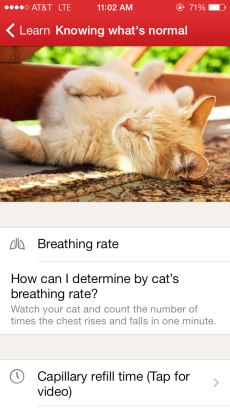
pets_image-learnOther features in the app allow pet owners to:

  • Create a pet profile including tag identification number, photos, list of medications and instructions.
  • Use the list of early warning signs to learn when to call their veterinarian.
  • Use “click-to-call” to contact their veterinarian.
  • Find emergency pet care facilities or alternate veterinarians with the “animal hospital locator.”
  • Locate pet-friendly hotels.
  • Test their knowledge with interactive quizzes and earn badges that they can share on their social networks along with their favorite picture of their pet.

History shows that people have not evacuated during disasters because they did not want to leave their pets behind. The Red Cross app contains resources to help owners include pets in their emergency action plans. Pet owners may also take a Red Cross Pet First Aid course so they can practice the skills and receive feedback. People can go to redcross.org/takeaclass for information and to register.

PeticonThe Red Cross has made great strides in making emergency information available whenever and wherever people need it. The Pet First Aid App and other Red Cross apps can be found in the Apple App Store and the Google Play Store for Android by searching for American Red Cross or by going to redcross.org/mobileapps.

January is National Blood Donor Month!

Drayton Carlberg, donating blood for the first time at the 12 Hours of Giving on Decbember 23, 2013.
Drayton Carlberg, donating blood for the first time at the 12 Hours of Giving on December 23, 2013.

As National Blood Donor Month, January is a great time to recognize our incredible donors and remind everyone that the need for blood is constant. Just a few weeks ago on December 23, 55 new blood donors, joined hundreds of veteran donors for the 12 Hours of Giving Holiday Blood Drive. First-time blood donors,  Drayton Carlberg (right), Lia Capaldini (below), and Hunter Carlberg (bottom right) participated in this extraordinary event which collected 458 pints of blood – which was 92% of our goal!

Lia Capaldini, Augsburg College senior, donating blood for the first time at the 12 Hours of Giving on Decbember 23, 2013.

Weather and road conditions have improved, but recent severe winter weather has taken a toll on blood and platelet donations, both regionally and across the country.  As of Thursday, Jan. 9, approximately 300 blood drives across 25 states were canceled across the U.S. due to the snow and extreme cold. The blood drive cancellations resulted in a shortfall of nearly 8,800 blood and platelet donations since Jan. 2. The Red Cross is seeing an urgent need for platelet donors, as well as blood donors with types O positive and negative, A negative and B negative blood. Eligible donors with these blood types are strongly encouraged to make an appointment to give in the coming days.

Hunter Carlberg (glasses)
Hunter Carlberg, donating blood for the first time at the 12 Hours of Giving on December 23, 2013.

So, in honor of National Blood Donor Month this January, please help us meet our blood donation goals. On average, the American Red Cross must collect about 15,000 pints of blood every day from volunteer blood and platelet donors to meet the needs of patients. Eligible donors in the North Central Blood Services Region can help boost donations immediately. Red Cross blood donation centers in the Region will temporarily offer extended hours to allow for more blood donation appointments. From Jan. 10 to Jan. 20, 2014 Red Cross blood donation centers will add one additional hour each day. Also, please join the Red Cross in thanking all blood donors for their help  in ensuring a stable blood supply for patients all across the country.

We never know

Story and photo by Carrie Carlson-Guest, American Red Cross

Tiet Nguyen and Mike Schroeder
Tiet Nguyen (r) gives a $3,000 donation to Mike Schroeder, a Major Gifts Officer with the American Red Cross, to help those affected by Typhoon Haiyan.

In November, the day before Thanksgiving, a kindly cabinetmaker named Tiet Nguyen came to our local Red Cross office in Minneapolis to help those affected by the recent typhoon in the Philippines. When asked why he brought the check  in personally, he said he wanted to hand it to someone –not just put it in the mail– and to share his story.

Tiet and his family escaped Viet Nam 1989 after his brothers and father were killed fighting with the Americans against communism. Fleeing for their lives on a small, wooden boat with more than 70 people, Tiet and his family were shot at for hours as they escaped out to sea. After 10 days with very little food and water, they were rescued by a Filipino fisherman, who took them to the island where he lived. Tiet said, “The people so poor – they have no clothes, but so nice, so nice and kind. They gave us everything.”

He and his family stayed in the Philippines for years and survived even more disasters, including a volcano eruption in ’91 and subsequent deadly mudslides. Remembering the details, he said his oldest son Rung was still in a cradle. Tears welled up in his eyes as he recalled all those lost in the devastation. “The Red Cross was there – they were always there,” said Tiet, “They are always there when anything happens.”

Eventually, Tiet and his family moved to Minnesota to connect with family. They had another son and Tiet built a cabinet-making business with skills he learned in Viet Nam. Today, he and his wife, Hanh Le live in Coon Rapids. One son recently graduated from Hamline and the other is currently a student at Creighton University in Omaha. When he heard the Red Cross was helping those who had helped him and his family so many years ago, he knew he had to help. He collected donations from friends and family, including his sons, and then he and his wife matched it. “Your sons must have gotten you and your wife’s heart,” I commented. He laughs, smiles and cries at the same time, beaming like a proud papa.

“This is what I do, because of what you do – give a little bit of myself to help. I’ve been there, I know. You helped me and my family and who knows when I might need help again, we never know,” says Tiet.

Tiet shared a check for $3,000. Three thousand inspired, connected, paid forward dollars to help those in need. Because, as Tiet said, we never know. We never know when disasters will strike, we never know when it will affect us or someone we love, we never know what tomorrow will bring. But we – and Tiet – know what we can do, we can help now.

Click here to learn about how you can support the Red Cross and its humanitarian mission. 

For a while, they called me Firestarter

Story by Grace Littlefield (pictured left), an American Red Cross volunteer based in Bemidji, Minnesota

As we enter the busy season for house fires, I can’t help but think of when I accidentally started one myself as a teenager. It happened so much faster than I ever imagined it could, and the terrifying experience has made fire safety and preparedness an extremely important part of my home life (and now as a volunteer with the American Red Cross).

Unlike the more common cause of house fires in our area (improper heating sources), though, the one I was involved in started because of…fried ice cream.

My older brother, Sam, went to Purdue in West Lafayette, IN for civil engineering. He and his girlfriend lived in an apartment complex not far from campus, which housed around 30-40 people. My parents, little brother and I went to visit him regularly.

Still in high school, I made it a point every time we visited to impress him somehow with new knowledge I’d gained over the months since I’d last seen him. I did not want him thinking that just because he was in college that I couldn’t whip out a few culturally interesting tidbits that would wow him and his girlfriend. During one visit, I insisted that I make fried ice cream for dessert. So culturally interesting, right? (I’d been making it constantly since the previous semester of Spanish class because I couldn’t cook much else for a particular assignment and come on, fried ice cream is good.)

For those not familiar with the process of making fried ice cream: yes, actual frying is involved. You have to heat your oil and plop a little ball of ice cream — coated in flour or cereal or whatever — in it, and then quickly take it out of the oil and put it on a plate. A few sprinkles, chocolate syrup, caramel, whipped cream, etc., and BOOM. Delicious fried ice cream.

You have to watch the oil, though. That was the first thing I’d learned when going over the recipe; if the oil gets too hot, it could start on fire and oil fires are not easily put out.

HA! How could anyone be so stupid as to not watch the oil? Even before learning how to make this, it was a no-brainer that unattended, burning-hot oil was a recipe for disaster. After dinner, I put the oil on the stove and talked and talked and talked with Sam and his girlfriend, trying to be cool and seem like I knew things about politics and literature. There was suddenly a smell that wafted in from the kitchen, which I thought was burning hair but was not.

After a few seconds, I felt like an idiot. And then I panicked. With all the hubbub of the evening, I had completely forgotten that approximately 30 minutes before, I had put two cups of oil into a pot and turned the heat on their electric stove all the way up (we’d finished dinner and I started late, so I was in a hurry to get it going). I ran into the kitchen, where the pot had caught entirely on fire and sparks were leaping from the pot to the walls, quickly turning the wallpaper brown then black. My parents and little brother ran around trying to find a fire extinguisher, which was not immediately found. Sam was trying to smother the flames with towels, which only caught fire themselves. The kitchen became too hot to stand in.

As I was turning to run out of the kitchen, I laughed out loud. There was a pan hanging on the opposite wall! I could just put the pan on the top of the oily pot and this whole stupid mess will be over!

It was a somewhat smart move, and it did work—for a moment. However, the walls were still burning and the oil on the stove was smoking so much that I knew I needed to get out of there anyway.

Someone had finally called the fire department and people in the other apartment units were spilling out onto the sidewalk because of the dense smoke.

My dad, however, was nowhere to be seen. We were freaking out, trying to figure out whether he was still inside or not. Within moments, we were given an answer: he ran out of the apartment building and threw the burning hot pot outside. (I was standing right there and was hit by some of the oil, which sucked, but he was later forgiven.) He had grabbed flour-coated washcloths WITH HIS BARE HANDS, scooped up the pot and sprinted outside to save the building and whoever was still inside. The pot continued to burn, and he fell to the ground as his hands bubbled up from the red-hot metal.

My nickname was “Firestarter” for a while after that.

There were a few things that could have gone better in this scenario, a few of which you have probably already thought of:

  1. DO NOT LEAVE OIL BURNING UNATTENDED. Stand in the kitchen. Have your dialogue partners join you, if you really need the company.
  2. Know where the fire extinguisher(s) is/are in your environment (even if you’re just visiting). Get a Class K fire extinguisher for your kitchen, too — a lot of people only have Class A/B/C fire extinguishers, which are useless for grease fires.  (We found this out the hard way after someone actually found the fire extinguisher and tried to use it.)
  3. Don’t run back into a burning building/don’t be a hero. My dad, despite throwing the burning pot outside and probably saving the building from completely burning down, did not need to run back inside. Not only did he severely burn his hands (he couldn’t work for two months because they melted, more or less), but the hot oil hit me, too. We also later found out that most of the apartment building’s tenants, hearing their fire alarms going off and smelling smoke, had already evacuated the apartment building, as per the emergency evacuation plan given to them on move-in day. The building, as is required by law, was covered by insurance and so was I; it would have been devastating for people who lost their homes, but at least he wouldn’t have put his life at risk.
  4. Keep a ton of baking soda in your kitchen, just in case. Baking soda neutralizes oil fires better than flour or other commonly-used baking ingredients.
  5. Have an emergency evacuation plan for your dwelling. Sam, bless his heart, was trying to put out the fire instead of directing people where they should go. Again, don’t be a hero — just stick to the plan and keep people’s safety at the forefront of your mind.

During the past six weeks or so, the American Red Cross Northern Minnesota Region has helped more than 10o families affected by fires at home. Most house fires start in the kitchen. To get more house fire safety tips click here

Thanks Grace for sharing your story. We like the name Grace a lot more than Firestarter.

Our Fabulous “SAF FIVE”

In celebration of Veterans Day on November 11, 2013, the American Red Cross Northern Minnesota Region would like to recognize its Service to the Armed Forces (SAF) volunteers and thank them for their service, both for the Armed Forces and the Red Cross. SAF volunteers provide vital information about Red Cross services to military members and their families prior to basic training and deployment. These services include emergency communications and financial assistance during active-duty and deployment.

In the Minneapolis-St. Paul metro area, the “SAF Five” include Jim Kinzie, Brent Jordahl, Bill Johnson, Jim McKinney, and Bill Kelvie. Each came to the Red Cross with different military service stories, but they had one thing in common: the desire to give back.

Jim Kinzie - archiveJim Kinzie served in the Army for 29 years. “I enjoyed my service.” He joined the Army in 1966 on active duty, went through Basic Combat Training, Advanced Individual Training (AIT), and Officer Candidate School (OCS). Kinzie was commissioned in 1967 and served in the Air Defense Artillery at the Chicago-Milwaukee Defense Area until 1969. He then served the remaining 26 years in the Army Reserves at Fort Snelling. When asked about what brought him to volunteer for the Red Cross, Kinzie simply said, “Payback time.” and further explained that “The Red Cross was helpful in many situations that I was involved in with the military, so this is my opportunity to give back.”

Johnson, William 1-24-12Bill Johnson served in the Army as a nurse for nearly 24 years – five and a half years on active duty and 18 years in the Army Reserves. Bill primarily worked at the Letterman Army Medical Center in San Francisco, CA, on the mental health unit. At this time, after the Vietnam War, there were a lot of service members admitted for “shell shock” or “battle fatigue,” and Bill spent a lot of his time exploring the diagnosis of PTSD. Bill reflected on this experience and said “it taught me to be patient.” After spending some time with the local Medical Reserve Corps, he was recommended to go to a Red Cross presentation where he saw the SAF team in action. Bill has now been an active member of SAF for two years and said, “My passion is now SAF, but I also work with Disaster Health Services and Disaster Mental Health.”

Brent - MEPSBrent Jordahl enlisted in the Minnesota Army National Guard Aviation during the Vietnam War era. He served for 6 years mostly as crew chief in helicopter maintenance, while stationed at Holman Field in St. Paul, MN. Thankfully the government did not activate the Guard during this time, so Brent was not deployed overseas to fight in the war. He started volunteering with the Red Cross in other areas long before his professional retirement, but afterwards he wanted to expand his volunteer service and was led to SAF.  Brent speaks highly of the Red Cross, saying that it’s “one of the most well respected and admirable organizations there are. There are so many different things the Red Cross does and I felt like I wanted to be a part of it.”

Kelvie, Bill Sept 2011Bill Kelvie served in the Army for almost 22 years. He went to Military Police School and was active for his first 3 years, and then served his remaining 18-19 years in the Army Reserves. During this time, Kelvie was stationed in Germany and worked at an airport in U.S. Customs. His volunteer service with the Red Cross began shortly after he heard of Holiday Mail for Heroes. Kelvie’s main goal in working with SAF is “to give back to those that are serving our country.” He said he “sympathizes with them” and wants to do as much as he can to help out.

Jim McKinney - archiveJim McKinney enlisted in his senior year of college and served in the Army from 1968-1970. He was stationed at the on duty meeting zone in the Korean Demilitarized Zone at Panmunjom for the United Nations joint security. McKinney originally came to volunteer for the Red Cross after the 35W Bridge collapse, and was later recruited into the SAF program. He recalled one of many standout moments during his time so far with SAF when three mothers thanked him for their sons’ safe return home. McKinney says, “The system really works. It felt very rewarding.”

Please celebrate the on-going achievements of all SAF volunteers, including those across our region in Duluth, Bemidji, Alexandria, and St. Cloud. Last year, the region’s SAF volunteers provided nearly 2,400 emergency communication services between military members and their families; and they gave more than 3,500 pre-basic training and pre-deployment briefings for military members across our Red Cross region.

Story by Kelly Lynch, Communications Intern for the American Red Cross Northern Minnesota Region. For more information on Red Cross Service to the Armed Forces click here. For more information about how to become a Red Cross volunteer click here