Red Cross Disaster Mental Health volunteer,
Mary Parker, shares her experience
Disasters are traumatic events. And while many Red Cross volunteers are trained in myriad roles, such as staffing shelters, handing out cleanup kits, driving box trucks and the like, there are also volunteers trained specifically to support the emotional health of individuals and families affected.
Mary Parker is one such volunteer, “We’re all trained in the mental health field, either currently working or done working. This is just our passion, it’s part of our DNA— to help people.”

A Red Cross volunteer for six years, Mary is currently helping people impacted by flooding in Minnesota and South Dakota. Her role is to manage Disaster Mental Health (DMH) services for the response. To reach more people, she says they’ve embedded with other service teams.
“Mental Health has been accompanying crews as they deliver emergency supplies and cleanup kits, talking to clients, providing as much emotional support as we can…We also went out with the damage assessors. As they were going out to assess damage, we did some ride-alongs to talk to people in real time.”
Mary monitors the pulse of the Red Cross relief effort, keen to tap any opportunity that will ensure a Disaster Mental Health presence, “Basically, any activity that’s going on, if I have a mental health provider available, they go. That way there’s more good face-to-face interaction. It’s a good way to determine if we need to do a follow-up call with them.”
Mary continued, “The DMH role really is to be able to listen to their story and have someone to hear their hardships and struggles. We validate their hardships, give them a hug if they need one, remind them that they are resilient, and offer compassion and empathy. We’ve been at fixed sites, we’ve been on the [emergency response] vehicles, we’ve also had DMH at the shelters and alongside caseworkers at resource centers.”
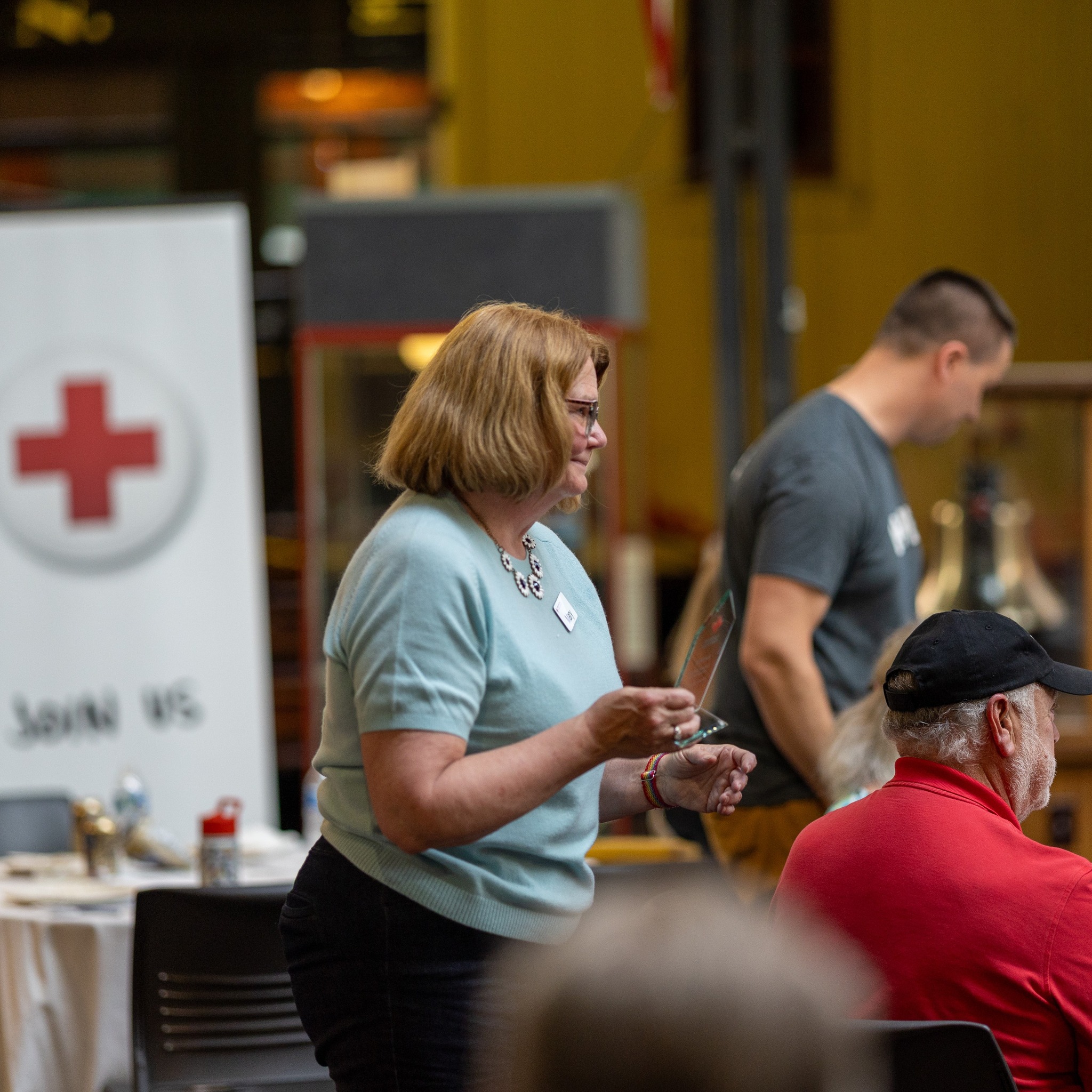
The Red Cross hosted several resource centers for individuals displaced by recent flooding in Minnesota and South Dakota where trained Red Cross volunteers can open recovery casework for those whose homes sustained major damage or were destroyed. “We’re coordinating health services, mental health and spiritual care, so at least one if not more have been represented at each site.”
In addition to standard Red Cross disaster assistance, individuals and families may of course request to speak with a disaster health, spiritual health, or mental health volunteer about their needs.
“It’s what we do!”
Resources Every eight minutes, the Red Cross responds to a disaster somewhere in the United States. Often it’s a single family home fire. Sometimes it’s a larger disaster like a flood or a tornado. Homes, which are supposed to be places of comfort and stability, can be destroyed, and with them that sense of comfort and stability can be turned on its head at a moment’s notice.
As the physical and emotional impacts of this disaster come into sharper focus for those affected, Red Cross caseworkers and mental health volunteers are on the front lines, providing one-on-one support to individuals and families. Their unwavering commitment helps address the evolving needs of residents during this challenging time.
The Red Cross encourages people to remember to take care themselves, their loved ones, and neighbors:
- Support Each Other: In difficult times, it’s crucial for people to lean on one another. Reach out to friends, family, and neighbors—your collective strength makes a difference.
- Be Patient: Floods can evoke a range of emotions and reactions. It’s okay to feel worried or drained. Give yourself the grace to process these feelings.
- Children’s Needs: Traumatic events impact children differently than adults. Sometimes, their worries manifest in behavior rather than words. Be attuned to their needs and emotions.
If you or someone you know requires assistance, don’t hesitate to contact the free 24/7 multilingual Disaster Distress Helpline at 1-800-985-5990. They’re there to provide support and guidance during challenging times.
Volunteers Needed Do you have a background as a current or former licensed mental health practitioner? Looking for a unique and much needed way to help your community in times of disaster? Consider joining the Disaster Health Services team! Learn more here.
Story by American Red Cross Volunteer Nate Russell.

 American Red Cross Minnesota and Dakotas Region