Spring can be a time for devastating weather. It’s the peak time of year for tornadoes, flooding, thunderstorms and other severe weather.
The American Red Cross wants you to know what steps you can take to stay safe if dangerous weather is predicted for your community.
 PREPARE
- Download the free Red Cross Emergency App. Available in English and Spanish, the app features expert advice on how to prepare and respond to tornadoes, floods and other disasters. It also features real-time local alerts for severe weather and hazards and a map with local Red Cross shelters open when a major disaster happens. You can text GETEMERGENCY to 90999 or search “Red Cross Emergency” in the Apple App Store or Google Play Store.
- Get a Kit. Make a Plan. Be informed. Use Be Red Cross Ready tips in English or Spanish. If you or a member of your household is an individual with access or functional needs, including a disability, consider developing a comprehensive evacuation plan in advance with family, care providers and care attendants, as appropriate. Complete a personal assessment of functional abilities and possible needs during and after an emergency or disaster situation, and create a personal support network to assist. A great resource is FEMA’s online landing page for people with disabilities.
 TORNADO SAFETY
- Tornado Watch – Tornadoes are possible in and near the watch area. Review and discuss your emergency plans, and check supplies and your safe room. Be ready to act quickly if a warning is issued or you suspect a tornado is approaching. Acting early helps to save lives!
- Tornado Warning – A tornado has been sighted or indicated by weather radar. Tornado warnings indicate imminent danger to life and property. Go immediately underground to a basement, storm cellar or an interior room (closet, hallway or bathroom).
- During any storm, listen to local news or a NOAA Weather Radio to stay informed about tornado watches and warnings.
- Know your community’s warning system. Communities have different ways of warning residents about tornadoes, with many having sirens intended for outdoor warning purposes.
- Pick a safe room in your home where household members and pets may gather during a tornado. This should be a basement, storm cellar or an interior room on the lowest floor with no windows.
- Practice periodic tornado drills so that everyone knows what to do if a tornado is approaching.
Click here for more tornado safety tips.
 THUNDERSTORM SAFETY
- Listen to local news or NOAA Weather Radio for emergency updates. Watch for signs of a storm, like darkening skies, lightning flashes or increasing wind.
- Postpone outdoor activities if thunderstorms are likely to occur. Many people struck by lightning are not in the area where rain is occurring.
- If you can hear thunder, you are close enough to be in danger from lightning. If thunder roars, go indoors! The National Weather Service recommends staying inside for at least 30 minutes after the last thunder clap.
- Avoid electrical equipment and telephones. Use battery-powered TVs and radios instead.
- Shutter windows and close outside doors securely. Keep away from windows.
- Do not take a bath or shower or use plumbing.
- If you are driving, try to safely exit the roadway and park. Stay in the vehicle and turn on the emergency flashers until the heavy rain ends. Avoid touching metal or other surfaces that conduct electricity in and outside the vehicle.
Click here for more severe thunderstorm safety steps.
 FLOOD SAFETY
- Listen to area radio and television stations and a NOAA Weather Radio for possible flood warnings and reports of flooding in progress or other critical information from the National Weather Service (NWS).
- Be prepared to evacuate at a moment’s notice.
- When a flood or flash flood warning is issued for your area, head for higher ground and stay there.
- Turn Around, Don’t Drown! Stay away from floodwaters. Just 6 inches of moving water can knock you down, and less than 2 feet of water can sweep your vehicle away.
- Keep children out of the water. They are curious and often lack judgment about running water or contaminated water.
- Be especially cautious at night when it is harder to recognize flood danger.
Click here for more flood safety tips.
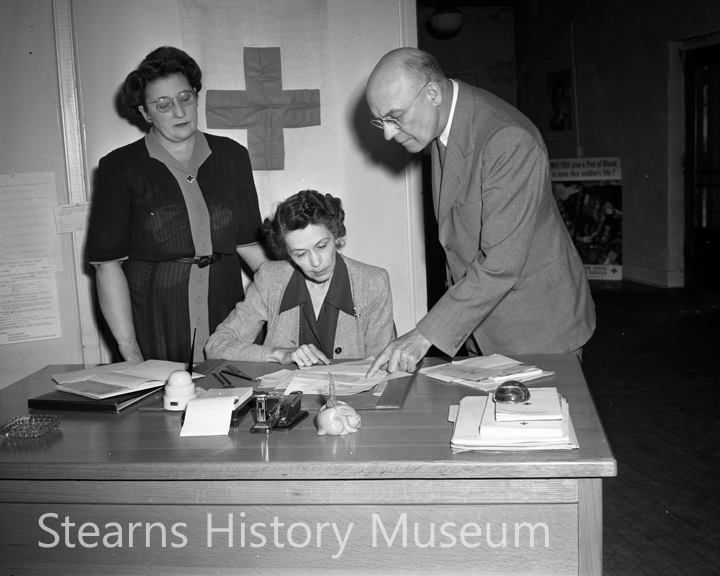 This 1944 Myron Hall photo shows St. Cloud Area Red Cross officials planning for their next project. Anne Kyle is sitting at her desk, John Henry standing on the right and Mrs. J. L. Rivard is off to the left.
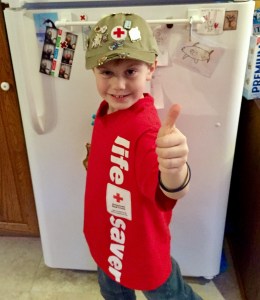 Following a quick visit to our Red Cross
  I frantically emailed a co-worker, asking if there was any way I could purchase a
 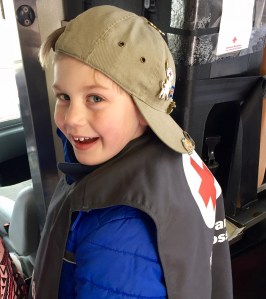 I’m so grateful to have the opportunity to expose my son to the Red Cross

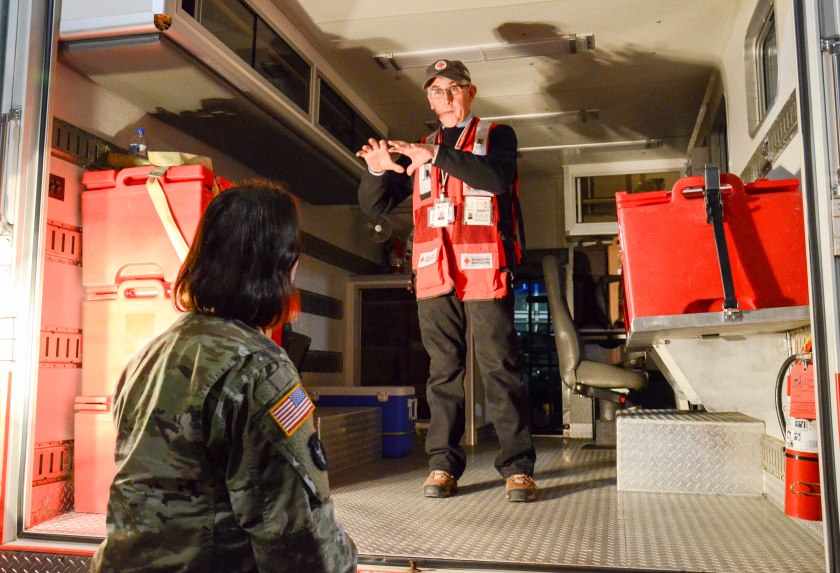
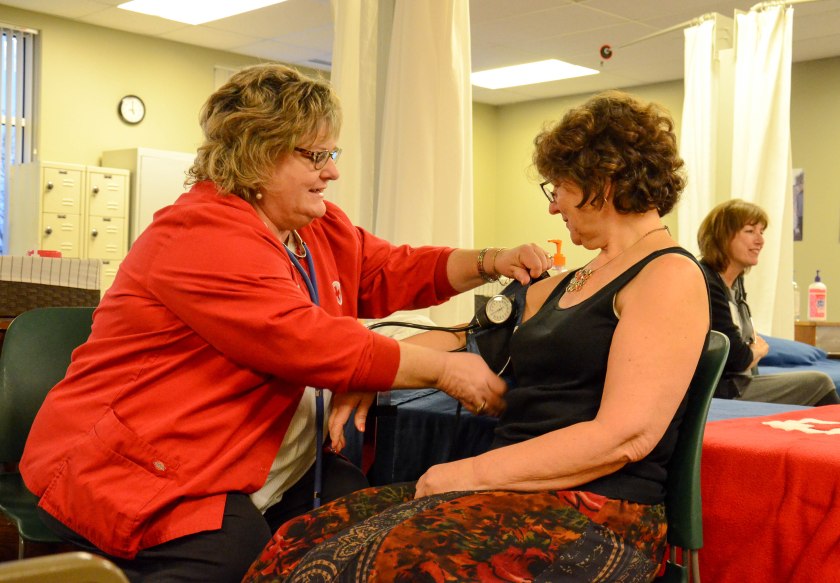

 This year, are you thinking of becoming a Red Cross volunteer? Right now in Minnesota, we’re recruiting for three opportunities supporting disaster relief. Each position ensures disaster workers can deliver humanitarian aid at home and around the corner.
  Support daily operations for disaster relief services
 Prepare new volunteers for Red Cross disaster relief service
 Help volunteers get out the door to disaster relief responses





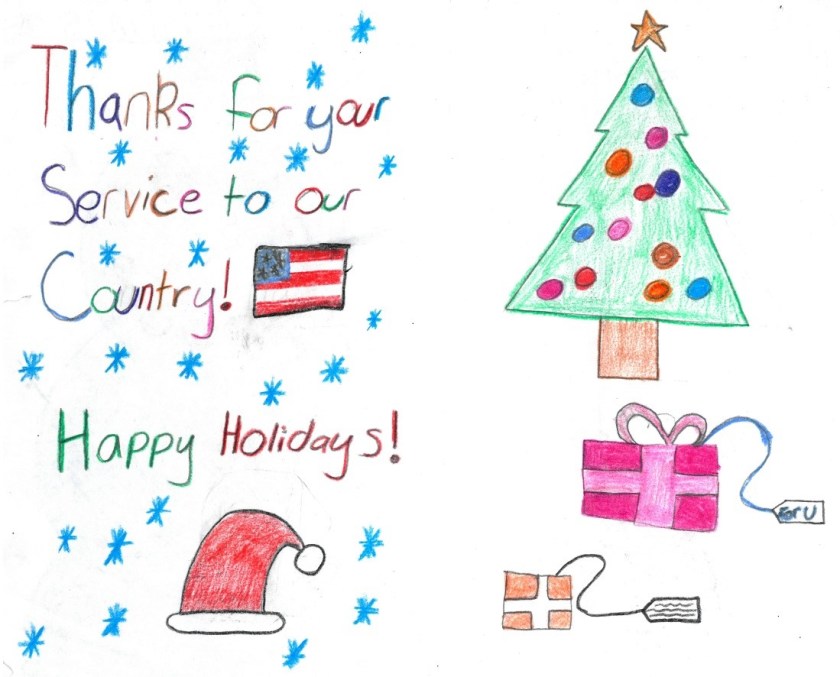
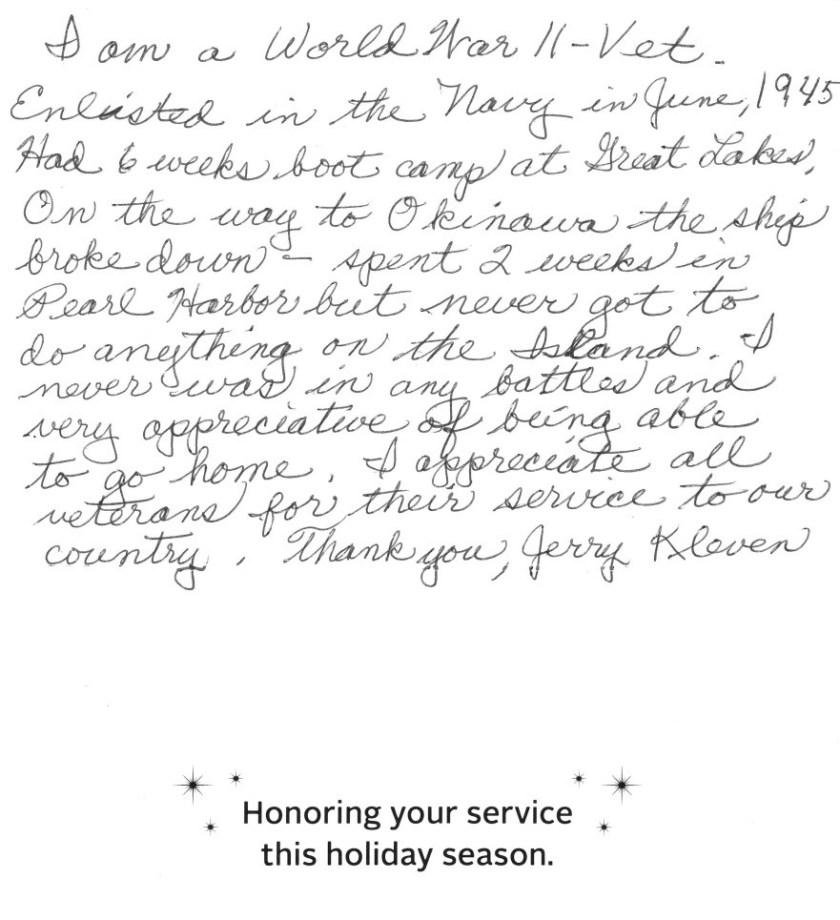

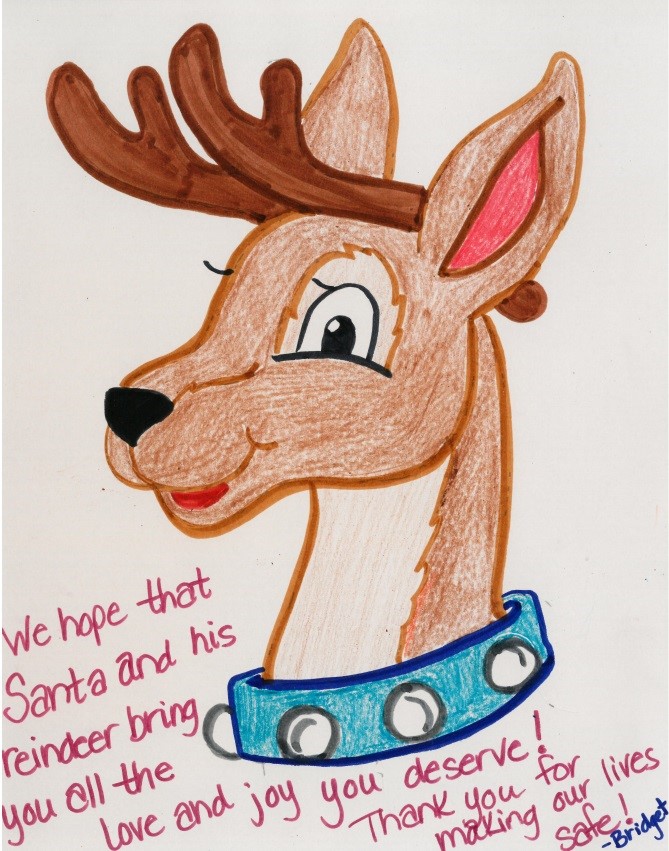
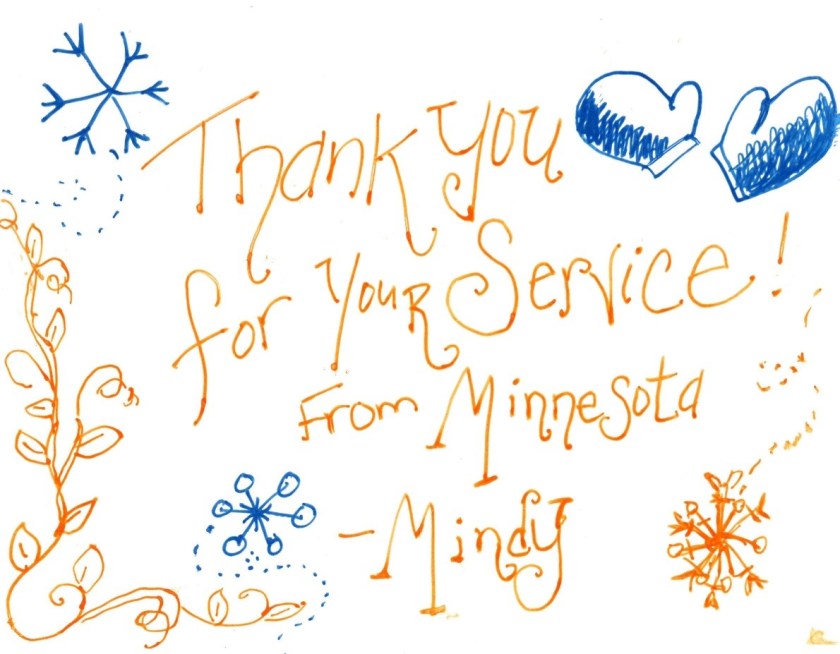
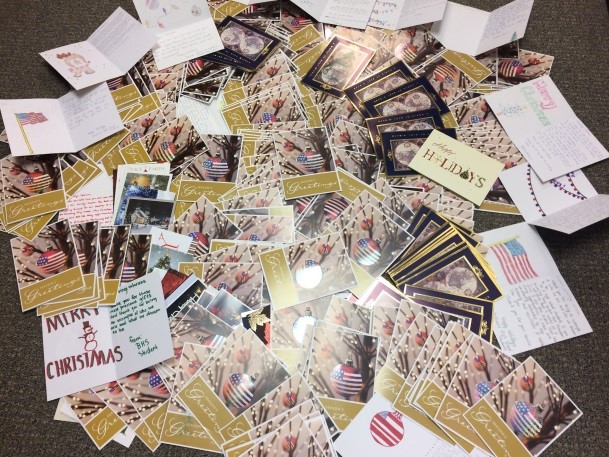 Across northern Minnesota, in 2014 we collected, sorted, and distributed just over 7,000 cards to local service members and veterans. In 2015, we expanded our efforts to include a handful of senior living facilities and county veterans services officers, which resulted in the distribution of more than 12,000 thank you messages. This year, as of December 21st, we were up to 15,385 cards distributed to nearly 4,000 military members and veterans from our chapter!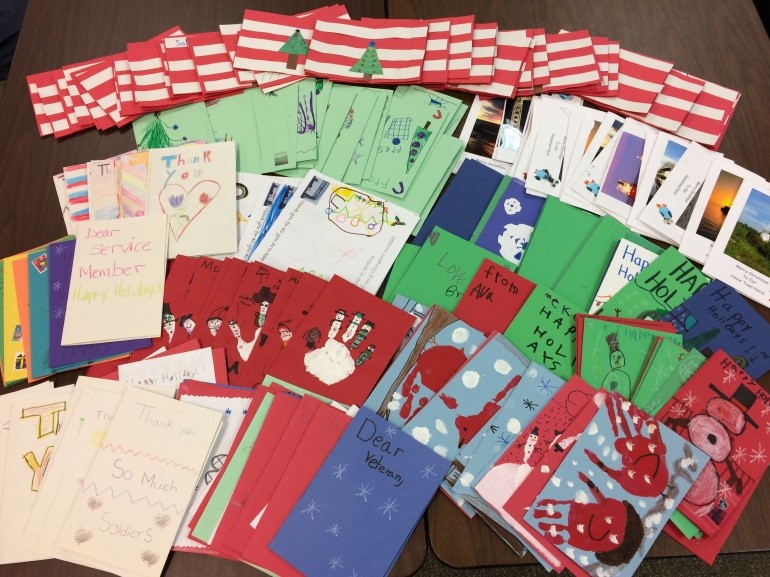
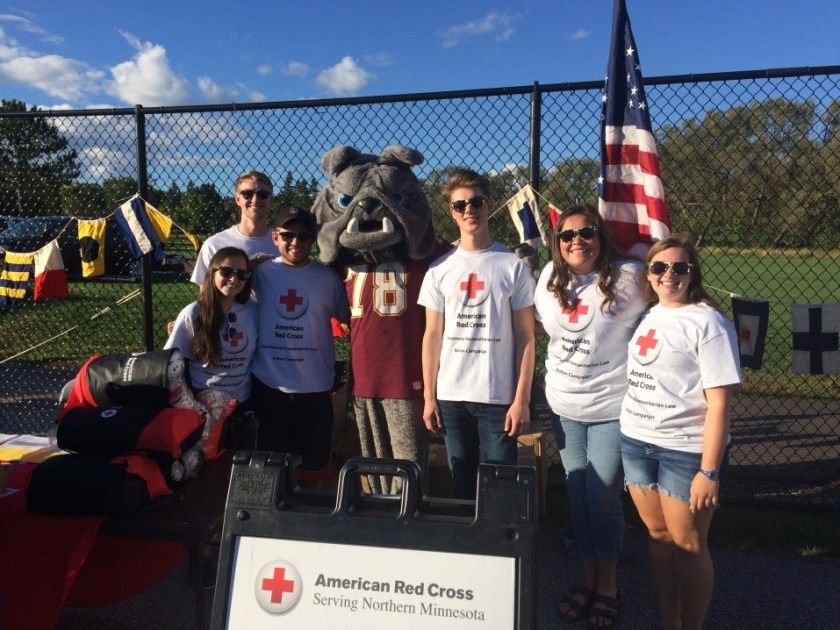 We had great support from businesses as well, with over 5,000 blank cards printed up for use at public events hosted by Essentia Health, Bent Paddle Brewing, ZMC Hotels, and Thrivent Financial. We could not have made this happen without their support. Another company that made a massive difference this year is DeCare Dental. Through their locations in Gilbert and in Eagan, they signed over 4,000 Holiday Mail for Heroes cards.
 American Red Cross Minnesota and Dakotas Region