It’s officially that time of year again: back-to-school. We know many of you may be getting your little ones ready for their first day, or settling into the groove of things with classes back in session. It’s a chaotic week for families, students and staff. In an effort to help get your kids prepared and to help prepare teachers, we talked to some experts in education, namely Glenna Housman, a middle school nurse in Virginia.
“We know that when it’s time to get kids ready to come back to school, parents’ lives get a little hectic,” says Glenna. “Staff members tend to rely on parents to share a lot of information about their students, but I think it’s also very important for teachers and school administrators to take certain prep steps, too.”
Here are 6 tips for teachers and students alike to be Red Cross Ready as they embark on the new school year:
Get a Kit
- Think about emergency preparedness items you don’t already have in your classroom. Some good supplies to have on hand are a flashlight and cell phone charger in case the power goes out. We tend to rely on our technology in times of crisis, especially to communicate.
- Talk to your school nurse and ask for an extra batch of first aid items like gauze pads and bandages without latex (in case of allergies), for emergencies or if you can’t get to the nurse’s station right away.
- Know which students have allergies and which ones do not. If you’re a parent, we suggest putting a supply kit together in your student’s backpack. If they have allergies or certain medical needs, be sure to have those things noted for the teacher. If you’re a teacher, have some snacks in your classroom that can be used for kids with allergies or diabetes. Some examples include non-peanut snacks, non-perishables, hard candy. Also be aware of allergies to things like grass or wood chips often found on playgrounds, in case a student has an allergic reaction at recess.
Make a Plan
- Know where to go for emergencies like a tornado or fire in the cafeteria. Most schools have policies in place and practice drills regularly. If your school doesn’t have these policies already in play, talk to your administrators and staff about how to protect your students.
- Don’t forget to update your child’s school health records. These records should be updated at the beginning of every school year. Any health care plans signed by the doctors are needed each fall for food allergies, inhalers, diabetics, sickle cell anemia, etc. so teachers and nurses are well-equipped to treat your kids.
- Talk with your class about what to do in emergencies. Keeping the steps simple and easy to follow will help them remember when you practice.
Be Informed
- While we hope your school year goes off without a hitch, we know it’s always best to be prepared for whatever may happen.
- If you’re on top of emergency preparedness, then you’ll be teaching your students a good life skill and making their parents feel better while they’re under your care.
- If it’s not already, your school could be a Red Cross shelter if disaster strikes. Learn more about how to make your facility a safe space with Red Cross Ready Rating.
This post was originally published on Red Cross Chat and is published on this blog with permission.

 This year, are you thinking of becoming a Red Cross volunteer? Right now in Minnesota, we’re recruiting for three opportunities supporting disaster relief. Each position ensures disaster workers can deliver humanitarian aid at home and around the corner.
  Support daily operations for disaster relief services
 Prepare new volunteers for Red Cross disaster relief service
 Help volunteers get out the door to disaster relief responses

 This winter’s first blizzard is expected to blow across western Minnesota, bringing snow, wind, and rain to much of the state. Today is the day to
  Carole Madland visited people in shelters and neighborhoods in North Carolina. Sometimes she hitched a ride to reach isolated communities. Overall, the Red Cross mobilized 2,200 workers, 13 kitchens with partners, and 111 response vehicles for the state. Big picture number as of October 25: the Red Cross has mobilized more than 5,800 disaster workers since Hurricane Matthew first threatened communities in the southeast.

 In Florida, Dave Schoeneck (upper left) assisted with relief effort coordination. The Red Cross has worked closely with government officials and non-government organizations (NGOs), such as Southern Baptist Disaster Relief, AmeriCorps National Civilian Community Corps and others. Big picture number: around 13,000 homes are affected in Florida, Georgia, North Carolina and South Carolina.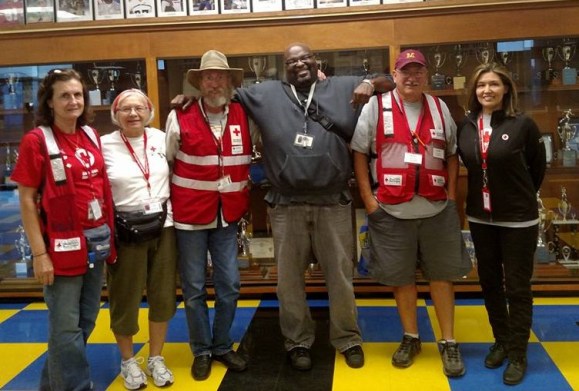
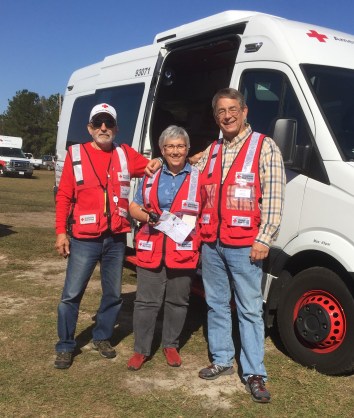
 In Georgia, Judy Hanne Gonzalez helped gather and share stories about the Red Cross and its Hurricane Matthew relief efforts. Judy also assisted with fundraising in Florida. Big picture number: as of October 25, the Red Cross has raised $8.1 million in designated donations and pledges for a relief response that’s estimated to cost $24-$28 million.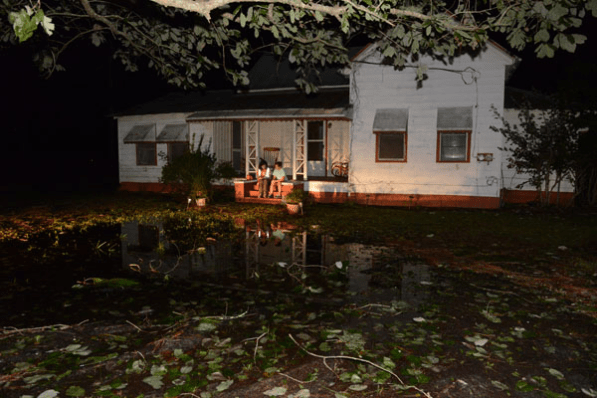


 American Red Cross Minnesota and Dakotas Region