Meet BJ, a new Red Cross Community Volunteer Leader

Story by Nancy Rogers, Volunteer Services Specialist for the American Red Cross serving Northern Minnesota

An American Red Cross Community Volunteer Leader (CVL) is a single point of contact for a community with the primary goal of developing, building and expanding the presence of the Red Cross in a given area.  A CVL serves as the face of the Red Cross to local communities with a dedicated focus on recruiting volunteers, managing relationships, fulfilling region-wide objectives and supporting delivery of the Red Cross mission.

BjBJ Kohlstedt was selected recently as the first Community Volunteer Leader (CVL) for the American Red Cross serving Northern Minnesota.  She’s excited about a new role that allows her the opportunity to represent the Red Cross along Minnesota’s North Shore.

Since 2008, BJ has been the Emergency Manager for Lake County. She first became acquainted with the Red Cross when a shelter was opened in Silver Bay during the 2009 ice storm, and she was very impressed by and grateful for the work the Red Cross did while helping people in that community. While later serving as a Red Cross chapter board member, BJ learned more about the variety of services the Red Cross provides.  Now, she’s looking forward to building local awareness and engagement in her community that will strengthen a Red Cross presence.

“We’re fortunate to have BJ representing the Red Cross on the North Shore.  She has a perfect combination of credibility and genuine concern about the people in the communities she works with,” says Dan Williams, Executive Director for the American Red Cross serving Northern Minnesota.

BJ is jumping right into her new volunteer role. Already, she’s met with officials from all of the local fire departments in her area,  making them aware of the Red Cross services available to home fire victims. “The firefighters I met were very appreciative of my outreach and glad to know of our services so they can further assist those in their communities affected by a fire disasters.”  Soon, BJ will meet soon with other Red Cross volunteers and local partners to set up a Home Fire Campaign in the Two Harbors area.

BJ sees a lot of opportunities for the Red Cross to be involved in her area and she wants to build on that. One plan is to hold North Shore meetings for volunteers, giving them a way to stay connected to and involved with the Red Cross.

Another goal is to build the partnership between the Red Cross and the Certified Emergency Response Team (CERT) on the North Shore. According to BJ, “The Red Cross and CERT serve communities throughout the United States in a variety of ways before, during and after emergencies. Both programs accomplish a great deal individually and they can do even more working together. In partnership, we can increase preparedness and resilience in communities, and offer assistance and support in the aftermath of disasters.”

BJ sees collaboration between the Red Cross and other emergency response organizations as vital to strengthening disaster preparedness and response. And she says she’s honored to have a new role and opportunity to help make it happen.

To learn more about Red Cross volunteer opportunities, click here.

This year’s highest Red Cross nursing honor goes to…

Janice Springer (c) receives the Ann Magnussen Award from Gail McGovern (l) and Linda MacIntyre (r) during the American Red Cross National Awards and Recognition Dinner on February 18, 2015, in Washington D.C. Photo by Jason Colston/American Red Cross
Janice Springer (c) received the Ann Magnussen Award from Gail McGovern (l) and Linda MacIntyre (r) during the American Red Cross National Awards and Recognition Dinner on February 18, 2015, in Washington D.C. Photo by Jason Colston/American Red Cross

Each year the American Red Cross presents the Ann Magnussen Award to a Red Cross volunteer or employed registered nurse who has made an outstanding contribution to strengthening and improving Red Cross programs and services. This year, our very own Janice Springer received this great honor, which is the highest honor of nursing achievement in the American Red Cross, at the National Awards and Recognition Dinner on February 18, 2015, in Washington, D.C.

Janice Springer, DNP, PN, PHN, has worked with the American Red Cross for 12 years. Based in central Minnesota, Janice serves as the Disaster Health Services Advisor for the American Red Cross Minnesota Region. She is responsible for overseeing all health services activities, including sheltering, disaster mental health and disaster health. Additionally, Janice is a disaster volunteer with more than 20 regional and national deployments, and is the Public Health Consultant in the Red Cross Regional Nurse Network.

Janice is actively building regional disaster health services leadership. She supported Superstorm Sandy relief as a liaison among the Red Cross, the FEMA Disability Office, local community partners and the shelters. She has been instrumental in promoting the Disaster Health and Sheltering Course for nursing students, which will build capacity in regions and chapters and provide nursing students with an opportunity to assist during disasters. She also teaches numerous courses at the chapters.

Janice’s background also includes research in disaster shelters, and she completed her doctoral study in Public Health Nursing: Meeting Access and Functional Needs in Congregate Care Shelters in Disasters. After recognizing that her initial plan, developed with multiple federal partners, did not meet the needs of shelter clients and staff during pilot studies of disaster relief operations, she reconvened the federal interagency group to develop the current Red Cross shelter intake process to identify the needs of clients with access and functional needs. Her approach has been adopted by Disaster Cycle Services and is an integral part of the new Shelter Prototype Project.

To learn more about the American Red Cross, click here

This Year’s Training Institute is a Wrap!

NDSI_2By Dave Schoeneck/Red Cross Volunteer

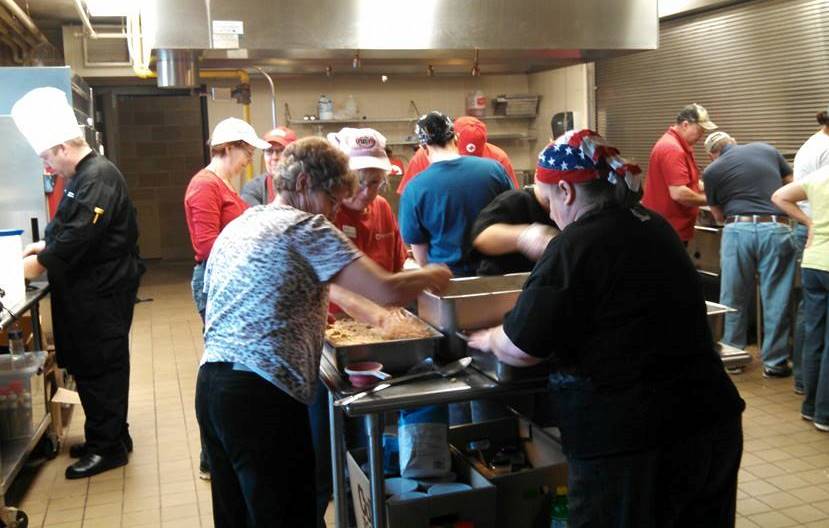
Nearly 170 Red Cross volunteers and staff from Minnesota, Wisconsin and the Dakotas spent three and a half days at the 2nd North Star Disaster Institute, held October 16-19 at Camp Ripley near Little Falls, Minnesota. A total of 39 Red Cross courses were offered, and a total of 636 courses were completed by the attendees.

Highlights of the Institute included keynote speaker Mark J. Lindquist of Fargo, an entertainer and motivational speaker, who described his experiences as an AmeriCorps Red Cross volunteer following the 9/11 terrorist attack on the Pentagon in Washington, D.C., the Kitchen Training course and the “What’s New?” panel, which reviewed the 2017 organizational plan.

NDSI_1As always, the best part of the Institute was greeting old friends, meeting and making new friends, and learning new  skills in courses taught by experienced Red Cross instructors.

Institute leaders included Art McIntyre, Steve Bonine, Mike Hoffman, Cheryl Thompson, Lindsey Lanigan and Carrie Taylor. Many others supported the event.

Stay tuned for more details about the 2016 training institute. Meanwhile, click here to learn more about becoming a Red Cross volunteer and click here to learn more about Red Cross disaster relief services.

Fire Prevention Week 2014

NFPW_SparkyIt’s Fire Prevention Week! Across the country, people will be checking smoke alarms, reviewing home fire safety plans, and helping others be more prepared for fire emergencies at home. Sponsored by the National Fire Prevention Association, Fire Prevention Week aims to increase public health and safety by reducing home fire hazards and the number of injuries and deaths that home fires cause each year. This year’s theme, “Working smoke alarms save lives. Test yours every month!” touches on an important reality few know about: nearly two-thirds of home fire deaths happen where there’s no working smoke alarm (Source: NFPA.org). And, a working smoke alarm cuts the number of home fire deaths in half!

m38640159_Home_Fire_Safety_Checklist 1

The American Red Cross knows this reality more than most because every 8 minutes its disaster relief volunteers respond to a fire somewhere across the country. The majority of the 70,000 disasters that the Red Cross responds to each year are home fires. So, we encourage everyone to take steps this week to improve their home fire preparedness. Reach out to vulnerable adults and others in your neighborhoods and help them Be Red Cross Ready, too. In addition to helpful resources from the NFPA, the Red Cross has tools available for personal use and for sharing with others, including this Home_Fire_Safety_Checklist in English and Spanish. Together, we can prevent home fire deaths and make our communities safer.

Red Cross — Helping Anyone, Anywhere, Worldwide

Story by Craig Yolitz

Minnesota Red Cross board member Craig Yolitz in Bangalore, India, 2014.
Minnesota Red Cross board member Craig Yolitz in Bangalore, India, 2014. Photo provided courtesy of Craig Yolitz.

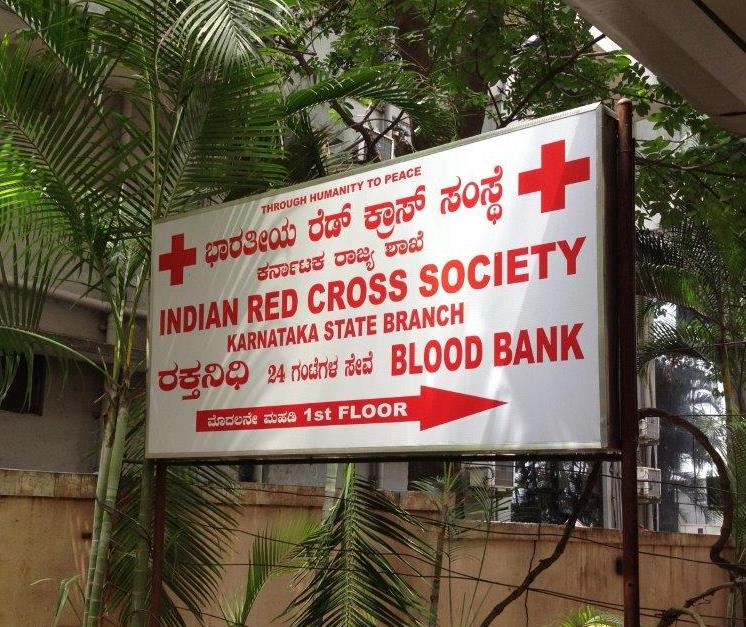
During my recent trip to FindLaw’s Bangalore office, I had the opportunity to visit the Indian Red Cross Society headquarters for Karnataka, the state in which our office and many of our employees reside. My interest in doing so was because, as a board member for the regional Red Cross based in the Twin Cities, I wanted to see how the Red Cross in India supports the citizens of the Karnataka region.

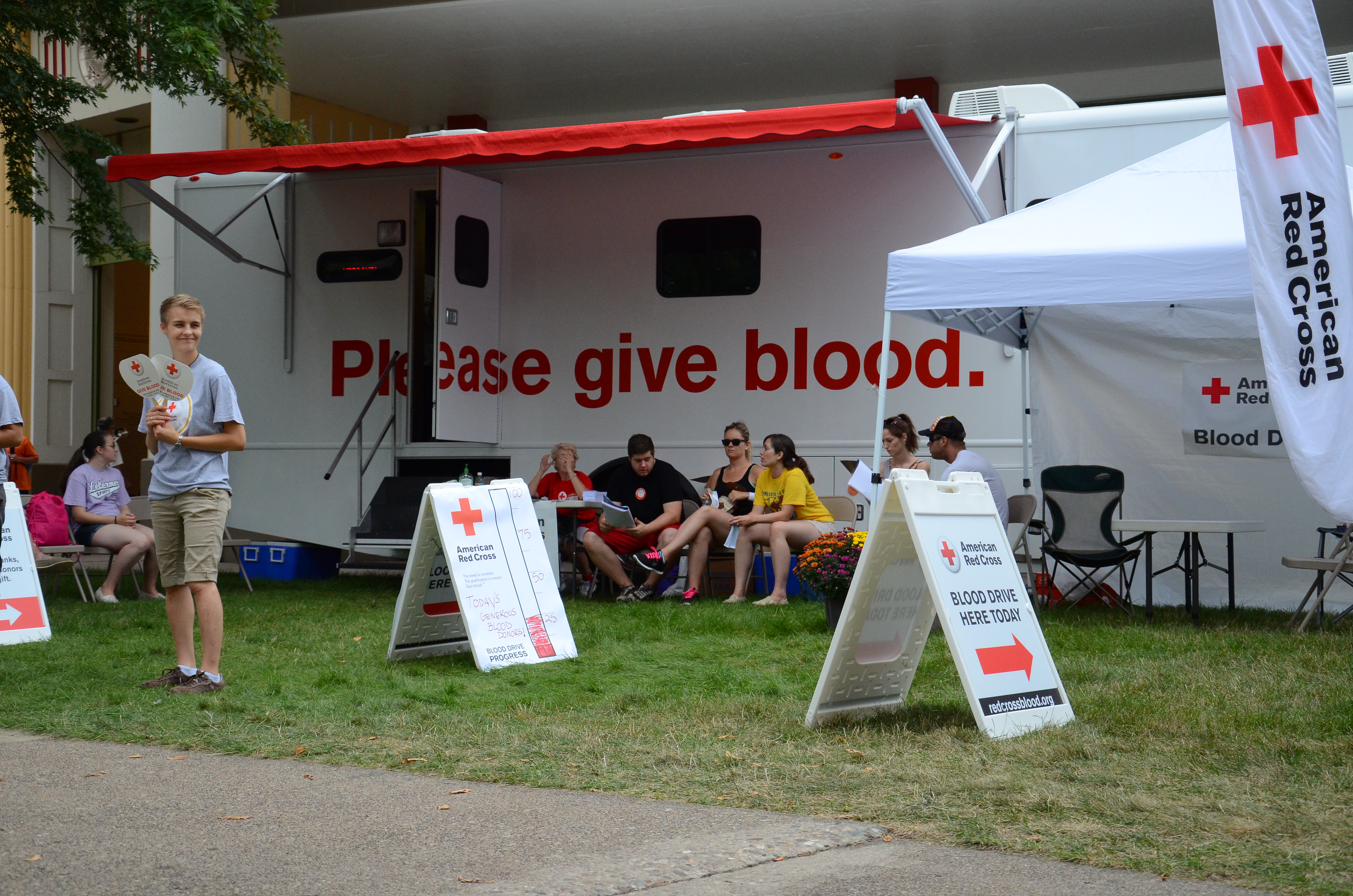
Most of you have heard of the Red Cross (or the Red Crescent in many parts of the world). Some of you might have benefited from the organization’s work. Your exposure to the Red Cross is likely from its blood drives — which supplies around 40% of the nation’s blood products — or its relief work after tornadoes, floods, fire or other disasters. Lesser known, but equally impactful, is Red Cross lifesaving training, such as First Aid, CPR and lifeguarding; and services to military families. The Red Cross is the only recognized organization that can connect American military families with deployed service personnel in times of emergencies. And finally, the Red Cross helps  reconnect families separated by crisis, conflict or migration. These efforts are best summed up by the Red Cross mission: “To prevent and alleviate human suffering wherever by mobilizing the power of volunteers and the generosity of donors.”

The global Red Cross Red Crescent 7 fundamental principles posted at the Indian Red Cross Society, Karnataka Branch, 2014. Photo credit: Craig Yolitz.

My first impression when entering the Red Cross office in Bangalore was the consistency of the mission. Just like the office in Minneapolis, the 7 fundamental principles of humanity, impartiality, neutrality, independence, voluntary service, unity and universality were posted where I entered the office. Additional similarities included the contributions to the blood supply in the state of Karnataka, disaster preparedness and response, and lifesaving training. Unique to this area was the focus on healthcare and nutrition for expectant mothers, providing eyeglasses and hearing aids to the impoverished, and administering Tuberculosis vaccinations across the region. Like the Red Cross in Minnesota, the Red Cross in Karnataka relies on donations from individuals and corporations and hundreds of volunteers to do its humanitarian work and training.

Photo credit: Craig Yolitz.

It made me feel good that the valuable services the Red Cross provides here in Minnesota holds true half-way around the world. It was a great visit.

If you’re involved with the Red Cross in your city or have benefited from the efforts of the Red Cross I would like to hear from you. Please comment below. To those who help support the Red Cross anywhere in the world — thank you.

From Pints to Preparedness

More than 1.8 million people visited this year’s Minnesota State Fair. And in-between eating cheese curds and visiting the animal barns, some made their way to engage with the American Red Cross, making this year’s fair a great one for our region, too! Below are highlights from our participation this year. This outreach would have been absolutely 100 percent impossible without Red Cross volunteers. Thank you, thank you, thank you!

IMG_0634


DSC_4116


2014 Minnesota State Fair


DSC_4013


  • Dozens of children and adults practiced house fire safety on the Governor’s Fire Prevention Day

DSC_4103


  • 168 people gave 684 volunteer hours to our state fair outreach programs


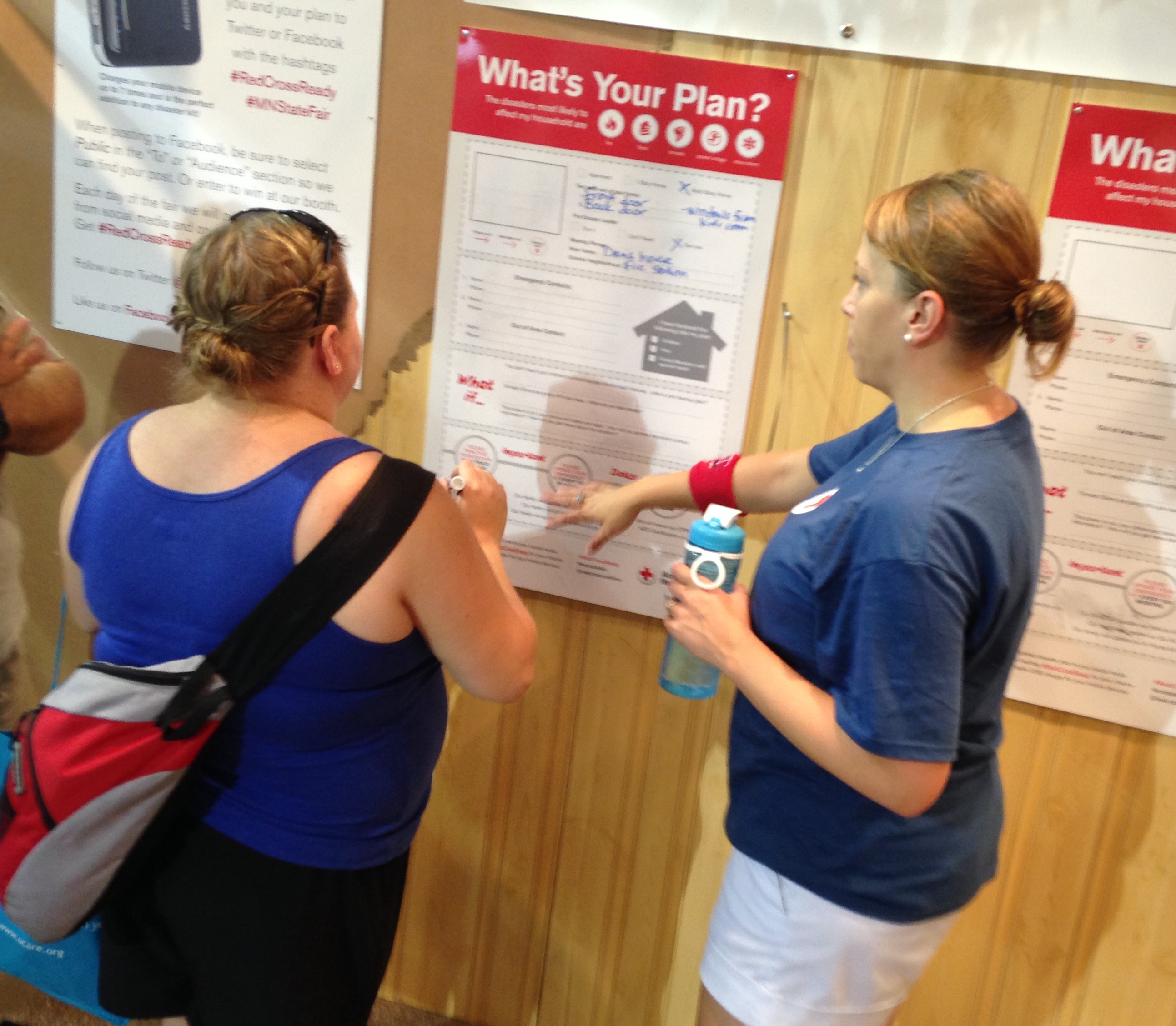
We’ll see you next year at the Great Minnesota Get Together. Meanwhile, download this Make_a_Plan_Flyer and start working on your own disaster preparedness plan.

Vigilant Vortex

Photo credit: Lynette Nyman/American Red Cross

Last week, more than 50 Red Cross workers from joined our partners in the Minnesota National Guard and more than 30 other agencies in “Vigilant Vortex”, a large-scale exercise to practice our ability to coordinate response efforts to a string of powerful tornadoes across our region. The Red Cross had significant activity during two days of the 5-day exercise, with shelters opened at Camp Ripley and in Duluth, and Government Operations workers coordinating efforts in Emergency Operations Centers across the state. The Red Cross received compliments on our participation from several partners, including the presentation of a plaque from special guests from the Croatian Armed Forces, who were visiting during the exercise and wanted to express their thanks to the Red Cross for all that we do. Congratulations on a job well done to Terry Sluss and all of the disaster relief workers who helped to make this exercise a success! To learn and see more about the exercise, click here to read a Star Tribune feature story and click here to see the paper’s photo gallery.

Red Cross awards Wisconsin teen the Certificate of Merit

Story and photos by Andrea Bredow/American Red Cross Volunteer

COM Photo
Becca Thomas (c) used her lifesaving skills when she noticed River Falls Swim Club teammate Marissa Metzler chest up and unconscious in a pool.

Three Wisconsin teens put their lifesaving skills to use one early morning at swim practice back in 2012. Becca Thomas used her Red Cross lifeguarding skills when she noticed River Falls Swim Club teammate Marissa Metzler chest up and unconscious in the pool.  Becca rushed into action and immediately got Marissa out of the pool.

From there it was a team effort. Jon Heiniger began chest compressions while his mother, Sonja, did the mouth-to-mouth portion of the rescue. Meanwhile, 15-year-old Ben Heiniger ran for the AED. All of that took place within a minute.

Fast thinking and Red Cross lifeguard training saved Marissa’s life. Their heroic actions earned Becca Thomas the national Red Cross Certificate of Merit, and Jon, Sonja and Ben awarded the Certificate of Extraordinary Personal Action.

The Red Cross awards about 100 Certificates of Merit each year across the country.
The American Red Cross awards about 100 Certificates of Merit each year across the country.

The Red Cross awards about 100 Certificates of Merit each year across the country. The Certificate of Merit is the highest award given by the American Red Cross to an individual or team of individuals who saves or sustains a life by using skills and knowledge learned in an American Red Cross Health and Safety Services course. The certificate is signed by the President of the United States, who is the honorary chairman of the American Red Cross. The award package also includes a citation, medallion and lapel pin. The Certificate of Extraordinary Personal Action is a local award that can be given to individuals who are not Red Cross trained but use lifesaving skills to help save someone’s life.

For more about the story, watch the Fox 9 news clip. To learn lifesaving skills, take a Red Cross class.

Take Time To Teach Nine

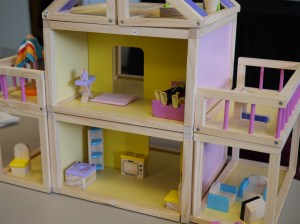
Dollhouse used for teaching fire safety to children. (Photo credit: Eduardo Sanchez Beltran/American Red Cross)

With fall season just around the corner and summer coming to its final weeks, time goes by fast. Tuesday August 5, 2014 is National Night Out, a day when many are focused on bringing the people together through community events throughout the day.

But, the good question is, are you prepared if a disaster occurs? If your answer is yes, we give you a high five! But, if you answered no, we’ve got you covered. There’s no need to feel the pressure to be prepared, but we can help you be ready ahead of emergencies.

For National Night Out, the American Red Cross has a new initiative called, “Take Time to Teach Nine.” This initiative educates people in the importance of having a family disaster plan, taking CPR/AED courses, and downloading and using the Red Cross mobile apps.

image-31-07-14-03-18
Dollhouse toy used to teach fire safety to children. (Photo credit: Eduardo Sanchez Beltran/American Red Cross)

“Emergency preparedness doesn’t have to be long conversations,” says Libby Sweeney, Community Outreach and Events Intern for the American Red Cross Northern Minnesota Region. “Red Cross staff and volunteers will be taking time to teach nine other people steps they can take to be better prepared.”

The initiative consists of Red Cross volunteers working with neighborhood groups and showing kids fire safety, including through use of a dollhouse at several locations. “This is a more casual approach to teach people while they hang out with their neighbors,” says Sweeney. The outreach initiative also has preparedness materials, giveaways and support, as needed.

To find out more information on how to teach your community about building an emergency kit or developing a disaster’s plan, visit the American Red Cross website. Or you can contact Libby Sweeney at 612-460-3674 or libby.sweeney@redcross.org.

Story and photos by Eduardo Sanchez Beltran/Communications Intern, American Red Cross Northern Minnesota Region


How to find a shelter location 101

Story by Rick Graft, Debra Brooks and Khue Tran, American Red Cross Northern Minnesota Region Disaster Relief Volunteers

A Red Cross logistics truck, or "LIRV", that responds to disasters. Photo credit: Lynette Nyman/American Red Cross
A Red Cross logistics truck, or “LIRV”, that responds to disasters. Photo credit: Lynette Nyman/American Red Cross

During recent flooding in Minnesota, Jordan High School was approved as a shelter site in case of human or natural disaster.  We want to share the story with you about how the site was selected and about some unplanned and terrific community outreach.

We wanted to show that the Red Cross was there to support the community, so we took the logistics truck rather than a regular car to Jordan High School. We parked the truck outside the main doors of the school. Once there, parents and students saw the Red Cross presence while we were in the high school doing the shelter evaluation work with school officials.  At the end of our visit, the principal kindly asked us if we could show her the truck contents.

Sample shelter kit supplies carried on a Red Cross logistics truck. Photo credit: Lynette Nyman/American Red Cross
Shelter supplies carried on a Red Cross logistics truck. Photo credit: Lynette Nyman/American Red Cross

As we walked to the truck, Debra saw some students and parents and invited them to join us. When I opened the back door of the truck, they were impressed with what and how many supplies and kits we carried. This became a teaching moment to affirm our commitment to the community and how the Red Cross handles disaster responses.

One young teenage girl went from worrying about an unknown terrible thing happening in her school to a double-thumbs up because we were ready with disaster supplies. All the students and parents were pleased to help the Red Cross and they appreciated how the Red Cross would help them in return. They were grateful we wanted to help their community, and so this ended up being a public relations success.

Our visit gave us the opportunity to survey the site, to build trust and a partnership, and to learn from the local community of what they were experiencing and anticipating. As we do on all of our survey calls, we spent a little time explaining the bigger picture of how we would set up a shelter and how to use it. The benefit of sharing our story is that the community started to think with us, and came up with creative solutions and additional spaces that we would never think of by just looking at a floor plan.

Red Cross volunteer Rick Graft during recent flood damage assessment in Blakely Township, MN.
Red Cross volunteer Rick Graft assessing flood damage in Blakeley Township, MN, June 24, 2014. Photo credit: Lynette Nyman/American Red Cross

The school district superintendent signed the agreement as we completed the opening inspection.  The superintendent, principal, and custodian all brainstormed with us to find space and solutions to our anticipated needs, so we set up the expectation that they could be contacted 24/7 during an actual need for opening a shelter.

At the end of the day, we came away with a shelter partner who feels comfortable working with us and can tell others an important part of the Red Cross story.  And on a slightly humorous note, we did not have to do this at two in the morning during disaster response!

Click here to learn more about American Red Cross disaster relief.