Flooding Resources: Summer 2024

AS OF TUESDAY, July 9, 2024

More than two weeks after floodwaters inundated parts of Minnesota and eastern South Dakota, neighbors, local community organizations and government partners continue to work together to help people recover from the extensive damage.

If you need help, please visit redcross.org/mndaks and click “Get Help,” or you can call 1-800-RED CROSS (1-800-733-2767).

  1. Shelter
  2. Flooding: What to do before, during and after Inundación: Qué hacer antes, durante y después
  3. Facebook Updates: Minnesota, South Dakota
  4. Red Cross Emergency App and Flood Safety
  5. How you can help
  6. CrisisCleanup.org

Shelter

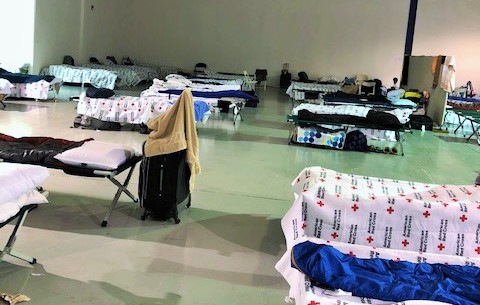
Shelters are available for people displaced by recent flooding. Shelters provide essential resources, including food, water, emotional support and information. Click here for info on what to bring, services available and more.

The Village in Waterville (Partner Shelter)
205 N 1st St., Waterville, MN 56096


Flooding: What to do before, during and after

Inundación: Qué hacer antes, durante y después

Facebook Updates: Minnesota, South Dakota

Red Cross Emergency App and Flood Safety

📱 Red Cross Emergency App: To stay informed and prepared during severe weather, download the free Red Cross Emergency app. Customize 40 different weather alerts, toggle between English and Spanish, and ensure accessibility for people with disabilities. Text “GETEMERGENCY” to 90999 or find the app in your app store.

The Emergency app includes an “I’m Safe” feature that help people check on loved ones.  Search “American Red Cross” in app stores or go to redcross.org/apps

Turn around, don’t drown. Stay off the roads. If you must drive and encounter a flooded roadway while driving, turn around and go another way.   


How you can help

Support Red Cross Disaster Relief and help people affected by disasters like flooding and countless other crises by making a financial donation today.
Your gift enables the Red Cross to prepare for, respond to and help people recover from disasters big and small, like the Minnesota and South Dakota floods.

Donate online at RedCross.org, call 1-800-RED CROSS (1-800-722-2767) or text REDCROSS to 90999 to make a $10 donation.

The Red Cross encourages financial donations, which provide the quickest and most effective way to assist those in need. Please note that the Red Cross is not accepting donations of food, household items, or clothing, as these cannot be distributed by their teams.

Volunteer for disasters
Many people have expressed interest in volunteering to support our response efforts, and we are appreciative of the offers to assist. At this time, our trained Red Cross volunteers are working this disaster.

Help us pre-stage valuable volunteers for the next disasters to help your neighbors in need – from home fires to flooding and more. Put on a red vest and join us as a volunteer today to provide relief and hope when it matters most. Visit redcross.org/givetime to check out opportunities with your local chapter.

Donate blood
Unfortunately, the American Red Cross continues to address a concerning shortfall in lifesaving donations since late spring. If you are in an area not impacted by a disaster, please keep your appointment or schedule an appointment to roll up a sleeve and donate blood.

To make an appointment simply download the American Red Cross Blood Donor App, visit RedCrossBlood.org, call 1-800-RED CROSS (1-800-733-2767).

CrisisCleanup.org

Home Cleanup Hotlines have been opened by CrisisCleanup.org to help survivors cleanup in Minensota and South Dakota. We anticipate that most volunteer groups will work through Friday, July 5. 2024. Survivors needing assistance can call 218-288-2213 in MN and 605-519-5413 in SD.

Despite life’s storms, Nona continues to bloom at 88

On another rainy day in Waterville, Minnesota, Nona Ose stood in her family room and pointed to her flooded garden, planted more than 20 years ago in memory of her husband and son. “It makes me happy and other people too.”

Nona Ose points to flood waters still lingering in her backyard garden, Waterville, Minnesota, June 27, 2024. Photo: Lynette Nyman/American Red Cross

Proud of her gardens – Nona was once a florist, among other things – her heart ached to see her work threatened because of devastating flooding. “The water kept creeping up until there was water surrounding my house,” Nona explained. “There were even carp swimming around in my backyard and garden. I’m happy everything has gone down little by little.”

Nona, now 88 years old, grew up on a farm near Waterville and has lived in the same home for more than 60 years. She has navigated through adversity with grace. But this, she said, is scary.

Red Cross responder Sue Thesenga listens to Nona reflect on the flooding in Waterville, Minnesota. Photo: Lynette Nyman/American Red Cross

“It’s never flooded this bad.” When she compared the flooding that happened in 1965 to this flooding, she said, “it was nothing like this.” And, in 2018, she remembers a tornado that uprooted trees, several falling on her house.

Nona is sad about some of her belongings, like a Christmas tree now floating in her water-filled garage. But she’s happy her Christmas village was spared as this year she never put it in storage.

The street near Nona’s home in Waterville remains covered with flood water, June 27, 2024. Photo credit: Lynette Nyman/American Red Cross

Older adults like Nona often are the most vulnerable when disasters strike. Mobility, isolation, and other physical and mental can present different challenges for seniors when people need to move fast and reach safety during a disaster and even after when the long road of recovery begins.

In Nona’s case, her next door neighbors rose to the occasion, proving the power of community support. “They’ve been wonderful! They’ve helped me with things like getting groceries.” They helped with sandbagging and even remembered to pick up a Red Cross cleanup kit for her.

On June 27, outside Waterville’s city hall, Red Cross volunteers distributed relief supplies for people from Waterville, a town of around 1,700. People drove to the site and stopped to pick up rakes, shovels, gloves, garbage bags, and other flood relief supplies, including the kits.

Nona Ose shares a hug with Red Cross responder Sue Thesenga, Waterville, Minnesota, June 27, 2024. Photo: Lynette Nyman/American Red Cross

Nona displays strength and resiliency that is truly inspiring. While describing the rising waters that was surrounding her home, she musters a smile. “I guess I’m tough.” She’ll use the cleanup kit in the basement where she winters flowers from her beloved garden.

“I feel wonderful that the Red Cross helps,” said Nona.

Resource: Preparedness for older adults
Donate: Support American Red Cross Disaster Relief

Flooding Resources: Summer 2024

AS OF FRIDAY, JUNE 28, 2024

Floodwaters continue to impact our neighbors in southeast South Dakota and southern and northeast Minnesota. The Red Cross is closely monitoring weather updates and river crest forecasts, while trained disaster responders are assisting those in need. Please see below for resources.

If you need help, please visit redcross.org/mndaks and click “Get Help,” or you can call 1-800-RED CROSS (1-800-733-2767).

  1. Clean-up Kit Distribution
  2. Shelters and Temporary Evacuation Point
  3. Flooding: What to do before, during and after Inundación: Qué hacer antes, durante y después
  4. Facebook Updates: Minnesota, South Dakota
  5. Red Cross Emergency App and Flood Safety
  6. How you can help
  7. CrisisCleanup.org

Clean-up Kit Distribution

Friday, June 28, 2024

MINNESOTA

Nobles County
Prairie Justice Center
1530 Airport Road
Worthington, MN 56187
4 p.m. – 7 p.m.

Jackson County
Red Cross teams are driving around the community today with kits. If you don’t see us, clean-up kits are also available at our shelter in Jackson.
Jackson County Community High School (JCC HS)
1128 N Hwy., Jackson, MN 56143

Windom
Mobile distribution, 2:30 p.m. to 4 p.m.
Teams delivering kits throughout the community.

Outside Windom Arena
1480 8th Ave.
Windom, MN 56101
4 to 7 p.m.

SOUTH DAKOTA

Turner County
County Building
1055 E Sanborn St
Parker, SD 57053
10:30 p.m. – 2:30 p.m.

Saturday, June 29, 2024

Davison County
Mt. Vernon Public School
500 N Main St
Mt. Vernon, SD 57363
10:00 a.m. – 2:00 p.m.

City of Mitchell
612 N Main St
Mitchell, SD
10:00 a.m.-2:00 p.m.

Shelters and Temporary Evacuation Point

If you or anyone you know is affected by this situation, safe shelter is available. It’s crucial to have a safe place during emergencies.

Shelters and a Temporary Evacuation Point are available for people displaced by recent flooding. Shelters provide essential resources, including food, water, emotional support and information. Click here for info on what to bring, services available and more

MINNESOTA

Minnesota State Mankato, Crawford Hall
710 Maywood Ave, Mankato, MN 56001

Jackson County Community High School (JCC HS)
1128 N Hwy., Jackson, MN 56143

The Village in Waterville (Partner Shelter)
205 N 1st St., Waterville, MN 56096


Flooding: What to do before, during and after

Inundación: Qué hacer antes, durante y después

Facebook Updates: Minnesota, South Dakota

Red Cross Emergency App and Flood Safety

📱 Red Cross Emergency App: To stay informed and prepared during severe weather, download the free Red Cross Emergency app. Customize 40 different weather alerts, toggle between English and Spanish, and ensure accessibility for people with disabilities. Text “GETEMERGENCY” to 90999 or find the app in your app store.

The Emergency app includes an “I’m Safe” feature that help people check on loved ones.  Search “American Red Cross” in app stores or go to redcross.org/apps

Turn around, don’t drown. Stay off the roads. If you must drive and encounter a flooded roadway while driving, turn around and go another way.   


How you can help

Support Red Cross Disaster Relief and help people affected by disasters like flooding and countless other crises by making a financial donation today.
Your gift enables the Red Cross to prepare for, respond to and help people recover from disasters big and small, like the Minnesota and South Dakota floods.

Donate online at RedCross.org, call 1-800-RED CROSS (1-800-722-2767) or text REDCROSS to 90999 to make a $10 donation.

The Red Cross encourages financial donations, which provide the quickest and most effective way to assist those in need. Please note that the Red Cross is not accepting donations of food, household items, or clothing, as these cannot be distributed by their teams.

Volunteer for disasters
Many people have expressed interest in volunteering to support our response efforts, and we are appreciative of the offers to assist. At this time, our trained Red Cross volunteers are working this disaster.

Help us pre-stage valuable volunteers for the next disasters to help your neighbors in need – from home fires to flooding and more. Put on a red vest and join us as a volunteer today to provide relief and hope when it matters most. Visit redcross.org/givetime to check out opportunities with your local chapter.

Donate blood
Unfortunately, the American Red Cross continues to address a concerning shortfall in lifesaving donations since late spring. If you are in an area not impacted by a disaster, please keep your appointment or schedule an appointment to roll up a sleeve and donate blood.

To make an appointment simply download the American Red Cross Blood Donor App, visit RedCrossBlood.org, call 1-800-RED CROSS (1-800-733-2767).

CrisisCleanup.org

Home Cleanup Hotlines have been opened by CrisisCleanup.org to help survivors cleanup in Minensota and South Dakota. We anticipate that most volunteer groups will work through Friday, July 5. 2024. Survivors needing assistance can call 218-288-2213 in MN and 605-519-5413 in SD.

Flooding Resources: Summer 2024

AS OF THURSDAY, JUNE 27, 2024

Floodwaters continue to impact our neighbors in southeast South Dakota and southern and northeast Minnesota. The Red Cross is closely monitoring weather updates and river crest forecasts, while trained disaster responders are assisting those in need. Please see below for resources.

If you need help, please visit redcross.org/mndaks and click “Get Help,” or you can call 1-800-RED CROSS (1-800-733-2767).

  1. Shelters and Temporary Evacuation Point
  2. Flooding: What to do before, during and after
  3. Inundación: Qué hacer antes, durante y después
  4. Facebook Updates: Minnesota, South Dakota
  5. Red Cross Emergency App and Flood Safety
  6. How you can help
  7. CrisisCleanup.org

Shelters and Temporary Evacuation Point

If you or anyone you know is affected by this situation, safe shelter is available. It’s crucial to have a safe place during emergencies.

Shelters and a Temporary Evacuation Point are available for people displaced by recent flooding. Shelters provide essential resources, including food, water, emotional support and information. Click here for info on what to bring, services available and more

MINNESOTA

Minnesota State Mankato, Crawford Hall
710 Maywood Ave, Mankato, MN 56001

Faribault Armory
3000 W Airport Rd, Faribault, MN 55021

Jackson County Community High School (JCC HS)
1128 N Hwy., Jackson, MN 56143

The Village in Waterville (Partner Shelter)
205 N 1st St., Waterville, MN 56096

SOUTH DAKOTA
Sioux Falls Expo Center/Lyon Fairgrounds
100 N. Lyon Blvd., Sioux Falls, SD 57107


Flooding: What to do before, during and after

Inundación: Qué hacer antes, durante y después

Facebook Updates: Minnesota, South Dakota

Red Cross Emergency App and Flood Safety

📱 Red Cross Emergency App: To stay informed and prepared during severe weather, download the free Red Cross Emergency app. Customize 40 different weather alerts, toggle between English and Spanish, and ensure accessibility for people with disabilities. Text “GETEMERGENCY” to 90999 or find the app in your app store.

The Emergency app includes an “I’m Safe” feature that help people check on loved ones.  Search “American Red Cross” in app stores or go to redcross.org/apps

Turn around, don’t drown. Stay off the roads. If you must drive and encounter a flooded roadway while driving, turn around and go another way.   


How you can help

Support Red Cross Disaster Relief and help people affected by disasters like flooding and countless other crises by making a financial donation today.
Your gift enables the Red Cross to prepare for, respond to and help people recover from disasters big and small, like the Minnesota and South Dakota floods.

Donate online at RedCross.org, call 1-800-RED CROSS (1-800-722-2767) or text REDCROSS to 90999 to make a $10 donation.

The Red Cross encourages financial donations, which provide the quickest and most effective way to assist those in need. Please note that the Red Cross is not accepting donations of food, household items, or clothing, as these cannot be distributed by their teams.

Volunteer for disasters
Many people have expressed interest in volunteering to support our response efforts, and we are appreciative of the offers to assist. At this time, our trained Red Cross volunteers are working this disaster.

Help us pre-stage valuable volunteers for the next disasters to help your neighbors in need – from home fires to flooding and more. Put on a red vest and join us as a volunteer today to provide relief and hope when it matters most. Visit redcross.org/givetime to check out opportunities with your local chapter.

Donate blood
Unfortunately, the American Red Cross continues to address a concerning shortfall in lifesaving donations since late spring. If you are in an area not impacted by a disaster, please keep your appointment or schedule an appointment to roll up a sleeve and donate blood.

To make an appointment simply download the American Red Cross Blood Donor App, visit RedCrossBlood.org, call 1-800-RED CROSS (1-800-733-2767).

CrisisCleanup.org

Home Cleanup Hotlines have been opened by CrisisCleanup.org to help survivors cleanup in Minensota and South Dakota. We anticipate that most volunteer groups will work through Friday, July 5. 2024. Survivors needing assistance can call 218-288-2213 in MN and 605-519-5413 in SD.

Deployment experience in North Carolina

This past fall volunteer Deb Thingstad Boe responded for the first time to a Red Cross call for nurses to support Hurricane Florence relief efforts. Deb deployed to North Carolina where she worked in a shelter. Below is an excerpt of  Deb’s experience originally published in the December 2018 Minnesota Metro Medical Reserve Corps newsletter. Thank you to Deb for responding to the call to serve when you’re needed most!

Deb at Smith shelter in Fayetteville

I found out the deployment process moves fast! I spoke with the Red Cross on September 25, which was almost three weeks after Hurricane Florence made landfall, and six days later I was on the ground in Fayetteville, North Carolina. I was deployed through what is called Direct Deployment (DD), which is a rapid process used to ready healthcare workers for disaster work.

Once I received a call from Red Cross staff affirming my desire to deploy, I completed forms and about 15 hours of required online training and attended a deployment training in-person. At this training I received my disaster response ID, and mission and procurement cards. The mission card was used for my expenses and the procurement card was used to help clients (there is training on this!).

Along the way I also received a suggested packing list that was invaluable. Among those items were a stethoscope and blood pressure cuff. I found out later that it’s more difficult if you do not own these items when you arrive on assignment without them.  The best thing I purchased to prepare was a self-inflating air mattress that fit on the cot I slept on. Ear plugs are a must! If I didn’t wear them, then I worried about whether the next breath is coming for some people. I wasn’t the only healthcare volunteer that talked about that.

Red Cross volunteer staff shelter (a.k.a. home)

Although it felt like everything was moving fast, I knew this was what I wanted to do. I decided I would go with the flow, take things as they come and try to do my best.

My assignment was to work 12-hour shifts at Smith Recreation Center. This Red Cross shelter was planned to be the last to close in Fayetteville. This meant that as other shelters closed people who had not been able to find housing were relocated to Smith. The shelter had about 150 people in residence, many who were among the most vulnerable people in the city: people with mobility issues, unstable chronic conditions exacerbated by displacement, chronic untreated mental illness, addiction, in hospice care, and (previous to the disaster) long-term homelessness.

Every day was different and yet alike. Within the first fifteen minutes of the first day, I was instructed on how to administer Narcan and safety precautions related to the environment. I was informed that public health obtained Narcan for the shelters because there was a death due to opioids. The shelter had many residents who accessed Disaster Health Services on a daily basis. I learned about “shelter cough.” When I arrived many residents and staff had upper respiratory symptoms, and I wondered about influenza and whether residents had been offered flu vaccinations. Just listening was an important component of care.

Visiting rural communities in North Carolina

My experience with Public Health came in very handy. Part of the plan to help one woman in the shelter included food as a prescription for her chronic health needs. Listening and choices were critical to helping her. During my three hours with her, I managed to work in stress management tips and the power of positive-thinking and being forward-moving in thought and actions.

I finished my time working in rural North Carolina working with the community to identify unmet needs, assess how migrant farm workers were managing, and identify where the Red Cross could help. We partnered with Spanish-speaking restaurant owners to inform the area churches of our presence. They opened up an area of their restaurant for Red Cross services and allowed a food truck to be positioned in their parking lot. People came for blood pressure and glucose level checks, OTC meds, blankets, diapers, and TLC (tender-loving care). Staff assigned included an interpreter, disaster mental health, and disaster healthcare. Listening and caring were critical elements of care.

Deb and her new friend Lois

One of the things I enjoyed the most was meeting volunteers from other places. The first night a few of us who had met at the shelter gathered together and headed out to dinner. None of us were assigned to the same place, which meant we met more people the next day. I met a retired pulmonologist and two EMTs, and we had dinner together every night starting on night two of a ten-day deployment. We had fun, and it was a good transition to sleep and the next day.

Deb Thingstad Boe is an American Red Cross Volunteer and a Dakota County Minnesota Medical Reserve Corps Volunteer (MRC). Photos provided by Deb. Click here to learn more about becoming a Red Cross volunteer.

Thinking of becoming a Red Cross volunteer? These three opportunities support disaster relief.

Icon Disaster ServicesThis year, are you thinking of becoming a Red Cross volunteer? Right now in Minnesota, we’re recruiting for three opportunities supporting disaster relief. Each position ensures disaster workers can deliver humanitarian aid at home and around the corner. 

Icon DisasterSupport daily operations for disaster relief services
The American Red Cross serving Twin Cities Area seeks a volunteer to support instructor-led training by scheduling in-person classes and performing other administrative tasks, as needed. This is a flexible-schedule position that can be performed remotely during daytime hours. If interested, please contact Angela Antony (angela.antony@redcross.org).

Icon DisasterPrepare new volunteers for Red Cross disaster relief service
The American Red Cross serving Twin Cities Area seeks volunteers to assist Workforce Engagement with bringing on-board new disaster volunteers. This role guides new volunteers through the first steps of joining the Red Cross, from turning in the right paperwork and signing up for training, to helping them feel prepared for their roles. On-boarding volunteers enjoy working with people, being flexible, and serving on a team. If interested, please contact Hannah Linsk (hannah.linsk@redcross.org).

Icon DisasterHelp volunteers get out the door to disaster relief responses
The Minnesota Region needs volunteers to help deploy volunteers to both regional and national disasters. Deployment team members will assign volunteers to Disaster Relief Operations (DROs), give the proper information regarding deployment procedures, distribute mission cards, and perform other duties as necessary. The best candidates will be comfortable working with online platforms and on the telephone. Help us volunteers get out the door! If interested, please contact Susan Waananen (susan.waananen@redcross.org).

rco_blog_img_centenniallogoIt’s a great year to join us! Click here to learn more about our Century of Service, year-long celebration during 2017. #mnredcross100

Post by Lynette Nyman/American Red Cross Minnesota Region

2016 Year In Disasters — Helping People Near and Far

In November, Red Cross volunteer Mimi Bielinski met with Milton Vallejos after a multi-unit apartment fire in Burnsville, Minnesota.

2016 was a busy year for Red Cross disaster services in Minnesota. Our relief workers did a great job making sure people near and far received Red Cross support during times of need and helping them rebuild their lives after disaster.

For example, in November, Red Cross volunteer Mimi Bielinski met with Milton Vallejos following a multi-unit apartment fire in Burnsville, a city just south of Minneapolis. Mimi worked with Milton to assess and support his family’s immediate disaster relief needs and to direct him to additional resources for long-term recovery. With Red Cross help said Milton, “All of our problems went away. We had a place to stay, money for food and clothes.” The Red Cross assisted more than 80 people affected by the fire. After four years into serving as a Red Cross volunteer Mimi said, “I feel good when people are being helped. And, I can tell when they’re being helped just by my interactions with them.”

During 2016, the Minnesota Region of the American Red Cross:

  • Responded to 470 disasters in the Minnesota Region, which includes part of western Wisconsin
  • Helped 1,011 families affected by local disasters, mostly single family home fires
  • Installed 3,720 smoke alarms in residences, making them safer from and more prepared for home fires as part of our Home Fire Campaign
  • Reached 5,245 youth with emergency preparedness education through The Pillowcase Project

In addition to helping at home, more than 150 Red Cross disaster relief workers from Minnesota responded (some not once, but multiple times) to national Red Cross relief efforts across the country, including flooding in Missouri, Texas, and Louisiana; water crisis in Flint, Michigan; wildfires in California; and hurricane relief across multiple states along the eastern seaboard. Their service provided shelter, food, and medical and emotional support to thousands of people experiencing some of their darkest moments.

Thank you to everyone for the great work done this past year, providing assistance to neighbors near and far.

Story and photo by Lynette Nyman, American Red Cross. Click here to learn more about the Red Cross in Minnesota.  

From Florida to the Carolinas

From Florida to the Carolinas, American Red Cross workers from Minnesota have supported Hurricane Matthew relief efforts. Assignments have ranged from working in a shelter and serving meals to coordinating with response partners and providing medical and mental health services. Others gathered stories and helped raise money for the response. Big picture number as of October 27: more than 50 Red Cross workers from Minnesota have deployed to areas impacted by the storm across the southeastern United States. Take a look.

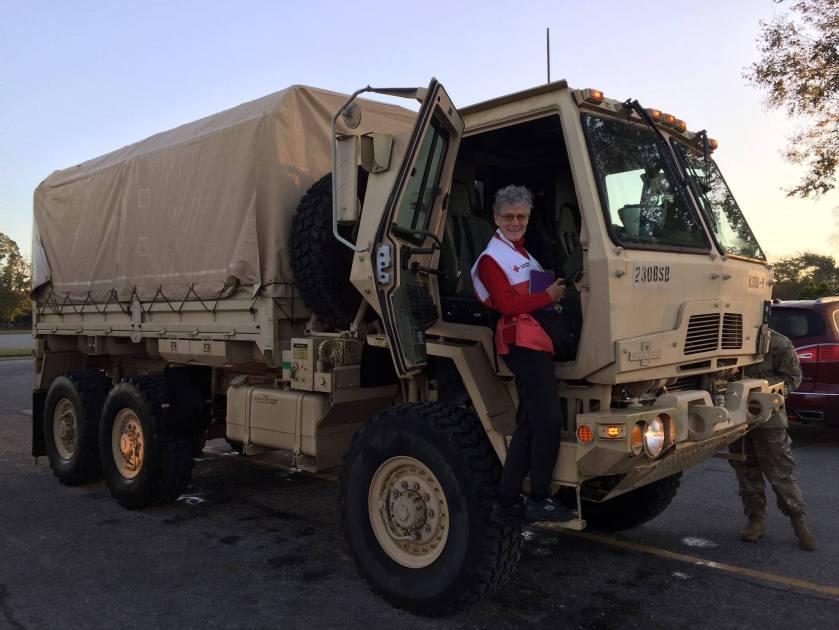
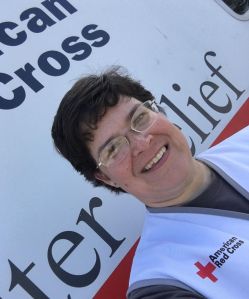
14712963_10154611990962179_2000084266616440590_oCarole Madland visited people in shelters and neighborhoods in North Carolina. Sometimes she hitched a ride to reach isolated communities. Overall, the Red Cross mobilized 2,200 workers, 13 kitchens with partners, and 111 response vehicles for the state. Big picture number as of October 25: the Red Cross has mobilized more than 5,800 disaster workers since Hurricane Matthew first threatened communities in the southeast.
14706995_10154600617697179_736969103816452442_o

rco_blog_img_rachel

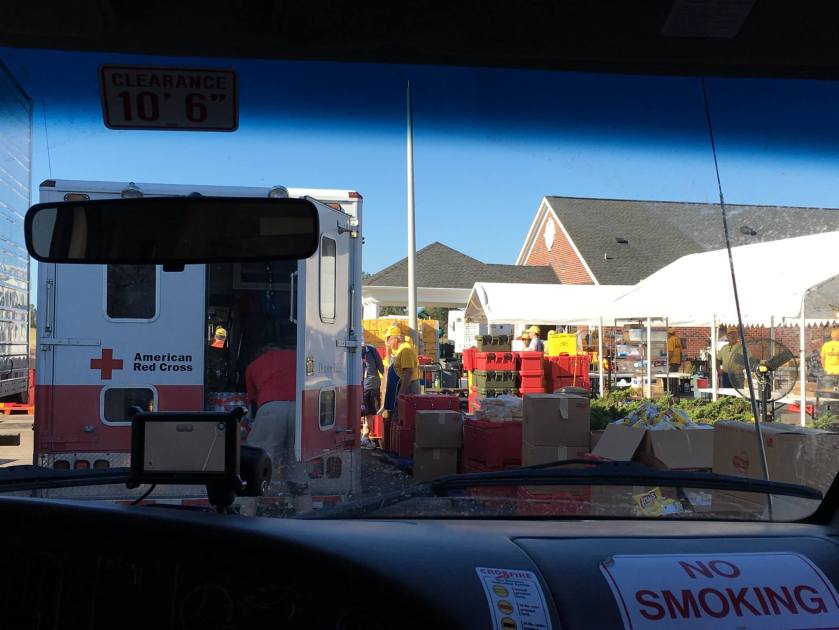
Rachel Olmanson took meals to people in affected communities. Above is the view from Rachel’s truck while her team was next in line for food pick-up at a field kitchen in North Carolina. Big picture number as of October 25: the Red Cross and its partners have served more than 1.3 million meals and snacks in affected communities in Florida, Georgia, North Carolina and South Carolina.


matthew_daveschoeneckIn Florida, Dave Schoeneck (upper left) assisted with relief effort coordination. The Red Cross has worked closely with government officials and non-government organizations (NGOs), such as Southern Baptist Disaster Relief, AmeriCorps National Civilian Community Corps and others. Big picture number: around 13,000 homes are affected in Florida, Georgia, North Carolina and South Carolina.
 

dave-snetsinger-deployment-october-2016-south-carolina-2


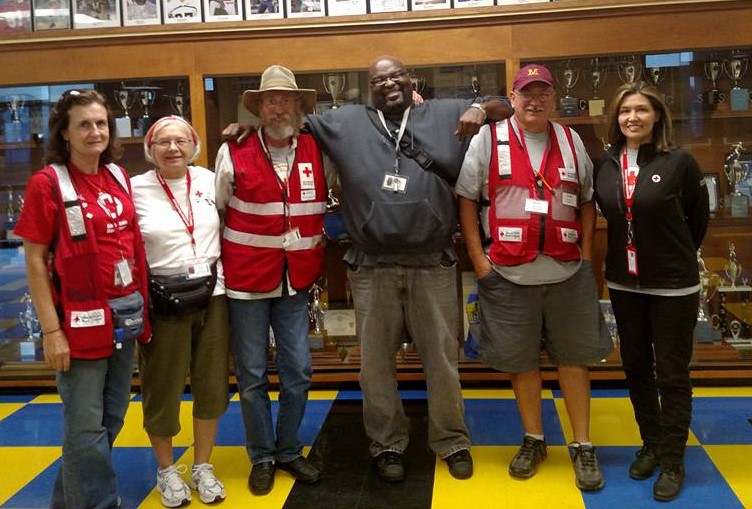
In South Carolina, Dave Snetsinger (second on right) was a shelter worker. Overall, the Red Cross has had nearly 1,200 workers, 5 kitchens with partners, and 53 response vehicles for relief efforts in the state. Big picture number as of October 25: the Red Cross has helped provide nearly 100,000 overnight shelter stays in Florida, Georgia, North Carolina and South Carolina.

img_3081_mark-and-gail-noren-2

Mark and Gail Noren (right and center) are doing search and care, which means finding neighborhoods and people in need of meals and feeding them in North Carolina. Big picture number as of October 25: Red Cross and its partners have served 697,000 meals and snacks across hurricane affected areas in the state.


a9r13mhx5w_h375qp_a98-2In Georgia, Judy Hanne Gonzalez helped gather and share stories about the Red Cross and its Hurricane Matthew relief efforts. Judy also assisted with fundraising in Florida. Big picture number: as of October 25, the Red Cross has raised $8.1 million in designated donations and pledges for a relief response that’s estimated to cost $24-$28 million.
Thank you to everyone who has responded to the Hurricane Matthew relief efforts!

National VOAD honors Minnesota Red Cross disaster relief worker

rco_blog_img_ruthtalfordnvoad
Red Cross disaster worker Ruth Talford received the 2016 NVOAD Spirit Award. Photo: Megan Mrozek/American Red Cross

We are pleased to announce that Ruth Talford, a disaster relief worker with the American Red Cross Minnesota Region, received the 2016 National Voluntary Organizations Active in Disaster (NVOAD) Spirit Award. This award is given each year to a person who has exhibited outstanding commitment to the NVOAD movement. The award was presented to Ms. Talford during the NVOAD conference held in Minneapolis in late May. Conference participants included more than 400 people representing voluntary organizations from that respond to disasters around the country in a variety of ways, such as feeding, cleaning, and spiritual care. The Minnesota Region of the American Red Cross, the national American Red Cross, and other Red Cross regions were well-represented with several dozen disaster relief workers on-hand. This year’s conference service project was a Red Cross blood drive. Click here to learn more about NVOAD and click here to learn more about the MNVOAD.

Red Cross prepares for disasters that could cross the northern border

Across northern Minnesota, American Red Cross disaster relief responders are working towards hosting a disaster shelter workshop in each county and tribal community. Most recently, the Red Cross teamed up with Koochiching County employees. In addition, the Red Cross connected with response partners across the U.S.-Canadian border because, as we know, ‘disasters don’t go through customs.’

Nancy Johnson with
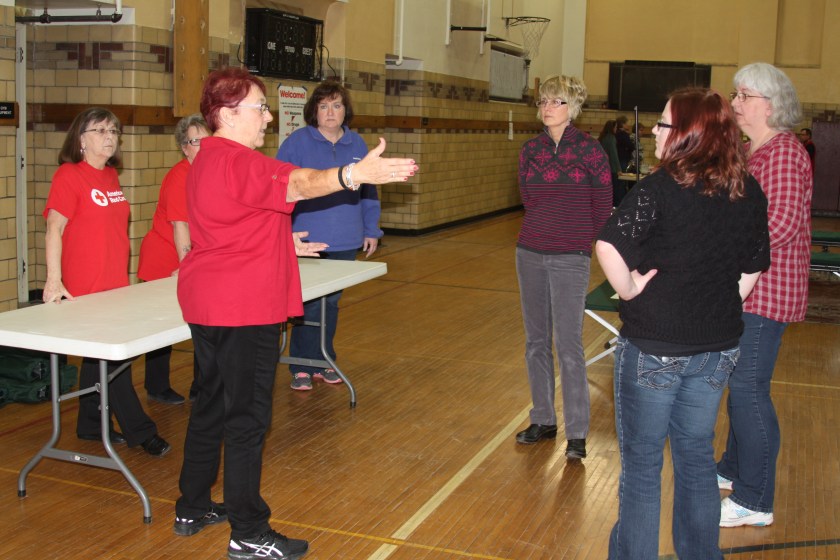
Nancy Young with the American Red Cross Dakotas Region guides shelter training participants during a workshop in Koochiching County, March 2016. Photo credit: Richard Johnson/International Falls Journal

The training week started with a shelter set-up that included twenty-four Koochiching County employees. (The workshop was a smaller version of what was used for the statewide Vigilant Guard exercise in Duluth in the fall of 2015.) Before the participants arrived they completed the American Red Cross Shelter Fundamentals course online. During the on-site part of the training, a Red Cross team of three volunteers from the Minnesota and North Dakota guided the shelter participants. (The cross-border collaboration between states has been in place for more than two years because we’re often called to respond together.) The workshop was set-up in three stations: registration, dormitory, and feeding. There was also a training for disaster nursing. After the two-hour workshop there was an open-house for the community members who were not in the training to ask questions and to see how the Red Cross and Koochiching County can work together to shelter displaced people during disaster relief response. The Salvation was also on hand serving lunch to all who participated. (Thanks!)

rco_blog_img_CrossBorderConference2016A cross-border conference called “Disasters Do Not go Through Customs” followed the shelter training. Sponsored by the Rainy River Cross Border Planning Group, the conference  brought together around one hundred people from both sides of the U.S.-Canadian border who could work together during major disasters affecting both sides of the international border. Presentations included managing potential threats, such as train derailments, floods, tornadoes, biological outbreak, communication failures, quarantine, wild fires and terrorism. All levels of government were represented from both Canada and the United States. Railroad representatives addressed one of the biggest concerns throughout the emergency management world: train derailments involving large amounts of oil carried by rail.

Less than twenty fours after the end of the conference there was a train derailment in Callaway, Minnesota. The accident forced the town of more than 200 people to be evacuated. Red Cross volunteers from North Dakota and Minnesota as well as Salvation Army relief workers were on-scene, providing the care and sheltering that we have trained for and do so well.

Story by Tony Guerra, Disaster Program Manager for the American Red Cross Serving Northern Minnesota. You can be a Red Cross disaster relief volunteer.