Red Cross shelter night shift suits former theater manager

Red Cross shelter night manager Sharon Collin says that she prefers volunteering during the night shift because "it's when you get to know the people and talk through the day." Sharon and McKai have a nightly chat. Photo credit: Amanda Mark/American Red Cross

Red Cross volunteer Sharon Collin is a natural organizer. A former movie theater manager, accountant and school teacher, she’s at ease while directing the flow of traffic that comes through the North Commons Recreation Center where the Red Cross shelter is housed.

Sharon is the night manager at this Red Cross shelter where 43 residents are attempting to rebuild their lives after the May 22 tornado destroyed blocks of North Minneapolis. One week into working at this shelter and Sharon has her routine down.

“I’m calling it organized disorder,” she says. “People are welcomed to come and go as they like as we try to create normalcy in the abnormal.”

Nearly all at once, Sharon sends someone to the snack room, finds a caseworker for another shelter resident, and hugs three kids in between the two tasks, promising one that she’ll tuck her in later.

“We have a lights out time,” she explained. “But one man works nights. Other people are night owls. I offer to fix snacks and hot meals during the night as people come through.”

Red Cross shelter night manager Sharon Collin shares a quiet moment with Willtin, 4. Photo credit: Amanda Mark/American Red Cross

While Sharon has responsibilities and organizational tasks to ensure that the shelter runs smoothly, she says she spends most of her time listening.

“No one wants to be here,” she said. “I listen to where they’re at, answer Red Cross questions, and match them up with services so they can move forward.”

Sharon travelled from Cumberland Foreside, Maine, to be the shelter night manager. She’s volunteered for the Red Cross in various ways for the past 6 years: working on disaster teams, supporting call centers and filling in any way she can, but her favorite assignment is working at shelters.

“People often enter a shelter at their lowest point. Red Cross volunteers enter a shelter, fresh with adrenaline and ready to help. Sometimes that’s really what people need. Someone to support them and provide the energy they don’t have.”

(Reporting and photos by Amanda Mark, Red Cross Volunteer)

Red Cross Strata

Red Cross disaster responder, Ann Layton, offers a slice of her homemade "strata," an Italian casserole she made from leftover bread slices at the Red Cross tornado response headquarters in Minneapolis. Photo credit: Lynette Nyman/American Red Cross

Red Cross disaster response volunteers are extraordinary in many ways, but only a few would turn unused slices of bread into something yummy for dozens of fellow responders who’ve been working for days helping hundreds of families rebuild their lives after the May 22 tornado in Minneapolis.

Ann Layton, a Red Cross volunteer, saw the bread on her way out the disaster operation doors last night and brought the bread back this morning all done up as “strata,” an Italian casserole that’s darn comforting.

“The bread was dry and I needed to add more milk,” said Ann, who made three variations of the dish, which you assemble and refrigerate before baking and serving.

We think your strata dish is perfect… and we thank you’re extra great, Ann, for taking time to provide additional comfort for Red Cross disaster responders who are working hard helping others recover from this awful disaster.

Preparedness Has Made the Difference

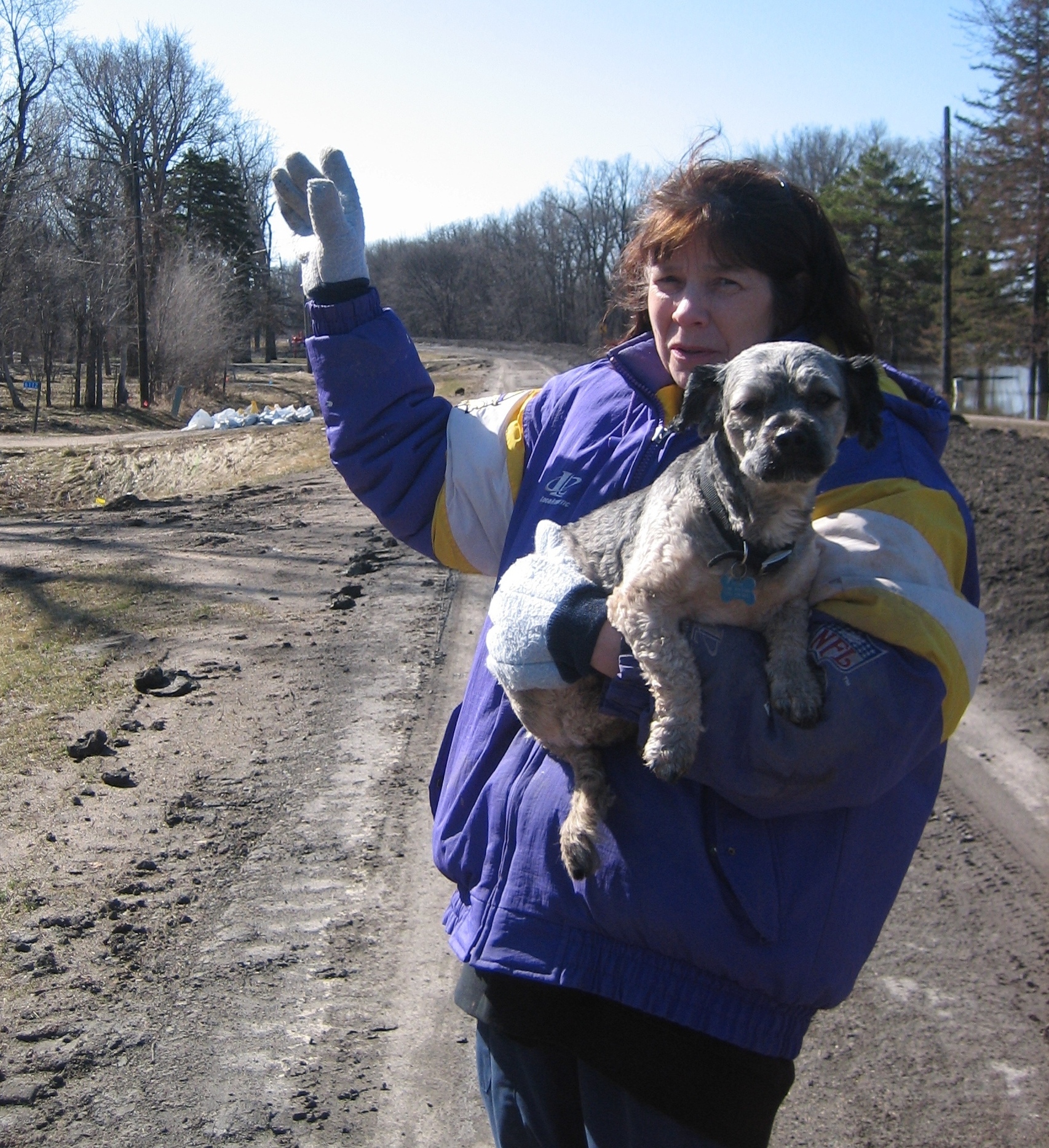
Joan Egge's family is safe from the Red River’s high waters because of preparedness measures, such as temporary clay dikes. Photo credit: Lynette Nyman/American Red Cross

By Lynette Nyman, American Red Cross

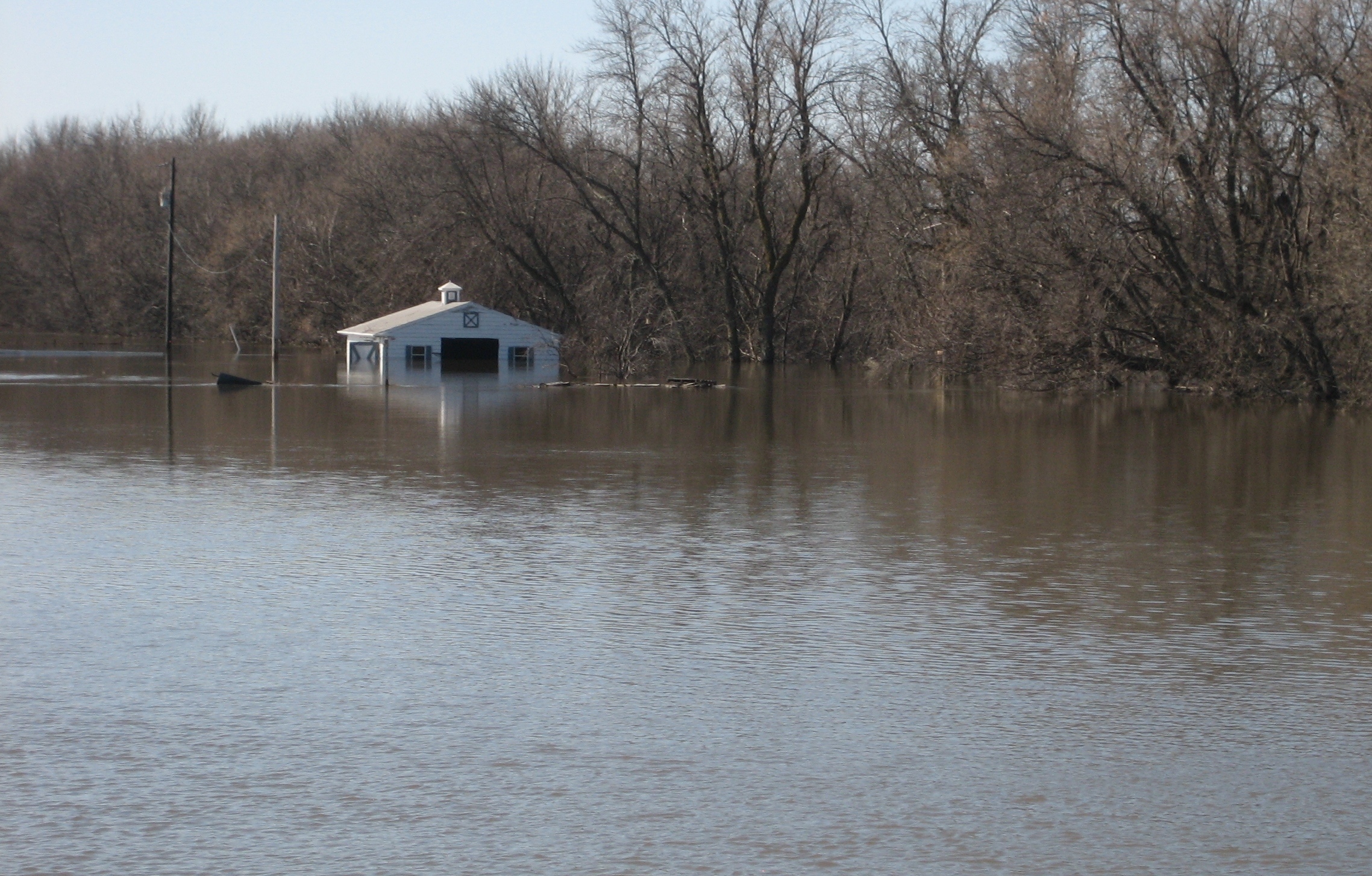
To appreciate the rising of the Red River, you have to see it. Water appears to spread from horizon to horizon across this northern prairie landscape.

With waters reaching nearly 40 feet in some areas, what would have been a major crisis in past years is mostly a threat under control because of preparation.

For example, clay dikes and sump pumps are protecting many homes, including one in Oakport Township north of Moorhead, Minnesota, where Joan Egge has lived for eighteen years.

“Because we’ve been preparing and preparing you’d kind of hate it if didn’t flood,” says Egge.

Red Cross vigilance remains high as the Red River’s high waters continue to move north and threaten rural communities. Photo credit: Lynette Nyman/American Red Cross

Sandbagging started in early February. Since then the Red Cross has providing more than 150,000 beverages and meals to community volunteers and other responders who have worked to hold back the water both day and night.

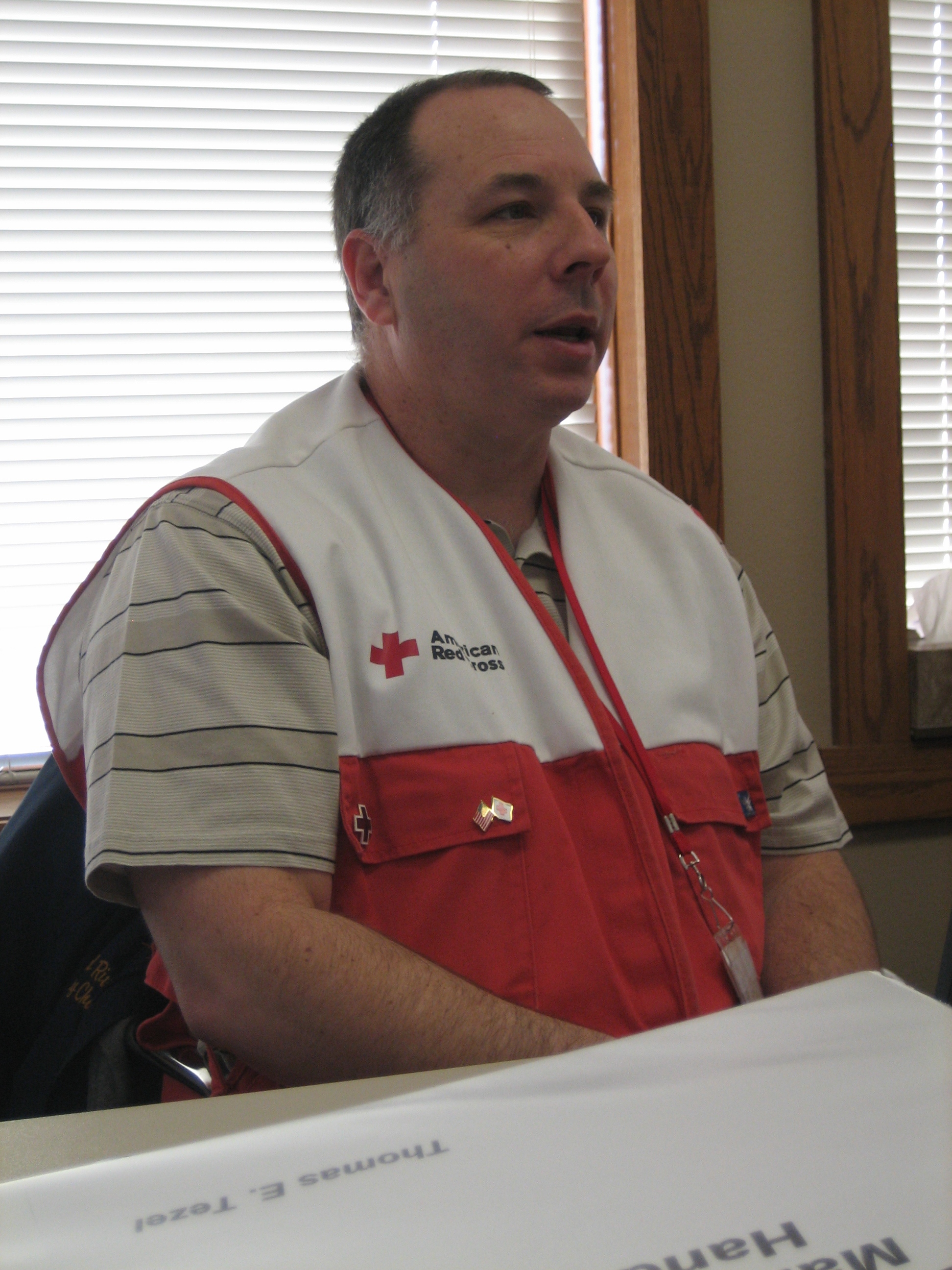
“Preparedness is in many ways the greatest piece of what the Red Cross does,” says Tom Tezel, a Red Cross emergency services director leading the response on the ground.

Every disaster is different, but in general the Red Cross responds when the disaster is done, such as when a tornado has swept through a town or an earthquake has struck.

Since early February, Tom Tezel has been leading the Red Cross disaster response to the 2011 Red River flood. Photo credit: Lynette Nyman/American Red Cross

Here, the Red Cross response started during the preparedness phase before the waters started to rise.

“Our mission includes preparedness,” says Tezel. “We can’t wait for disaster.”

Red Cross disaster responders continue to watch and respond, especially as the high water flows north into largely rural areas, cutting off families from essential resources.

Egge, whose family and dog Henry are safe only yards from the Red River, agrees that preparedness is very important. She’s grateful for the help her community has received.

“I know the Red Cross does a wonderful job,” says Egge. “The people here are true heroes.”