
New to Upper Midwest Winters? Here’s How to Get Ready

Sean Kelly (Photo: American Red Cross)

If you’re like Sean and new to the upper Midwest, you might be wondering what winter is really like. Spoiler alert: it’s not all cozy snow days! Around here, a snowstorm can feel like just another Tuesday. That’s why it’s important to prepare before the cold sets in—because winter can stick around well into spring.

Sean Kelly, our Senior Volunteer Recruitment Specialist in North Dakota, moved from Virginia this past July. He says, “I’m prepared for most things, but having never experienced -40° with wind chill, I’ve been wondering—how cold is that?”

The truth? It’s cold enough to make your eyelashes freeze! For newcomers, the sudden drop in temperatures and heavy snow can be a shock. Snowstorms can lead to power outages or dangerous road conditions.

As Sean asks, “I know I can call emergency services, but how long do you need to survive in your car?” Hey Sean, below are some tips to help you and everyone stay safe and comfortable this winter!

Car Survival Kit
Add these essentials to your regular car kit:
• Snow brush and ice scraper
• Warm boots and clothing
• Blanket or sleeping bag
• Hand and foot warmers
• Shovel, sand or kitty litter
• Phone charger and jumper cables
• Snack bars
• Flares and safety vests (especially helpful in a whiteout!)

Find Warming Shelters
Know where to go if the cold becomes dangerous. Some cities, like Fargo, operate warming shelters, while others partner with local organizations. Check your city and county resources before the bitter cold hits—especially if you plan to travel.

Dress for the Weather
On the worst days, avoid travel if you can. If you must go out, cover your nose, ears, cheeks, chin, fingers, and toes with warm, dry clothing. These areas are most at risk for frostbite.

Get More Tips
Download the free American Red Cross Emergency App for additional preparedness advice.

Whether you’re a winter rookie or a seasoned pro, a little preparation goes a long way. With the right gear and planning, you can turn the upper Midwest’s extreme cold into a true winter wonderland!

Post written with support from Jana Humphreys, a Communications Volunteer with our Minnesota and Dakotas Red Cross region!
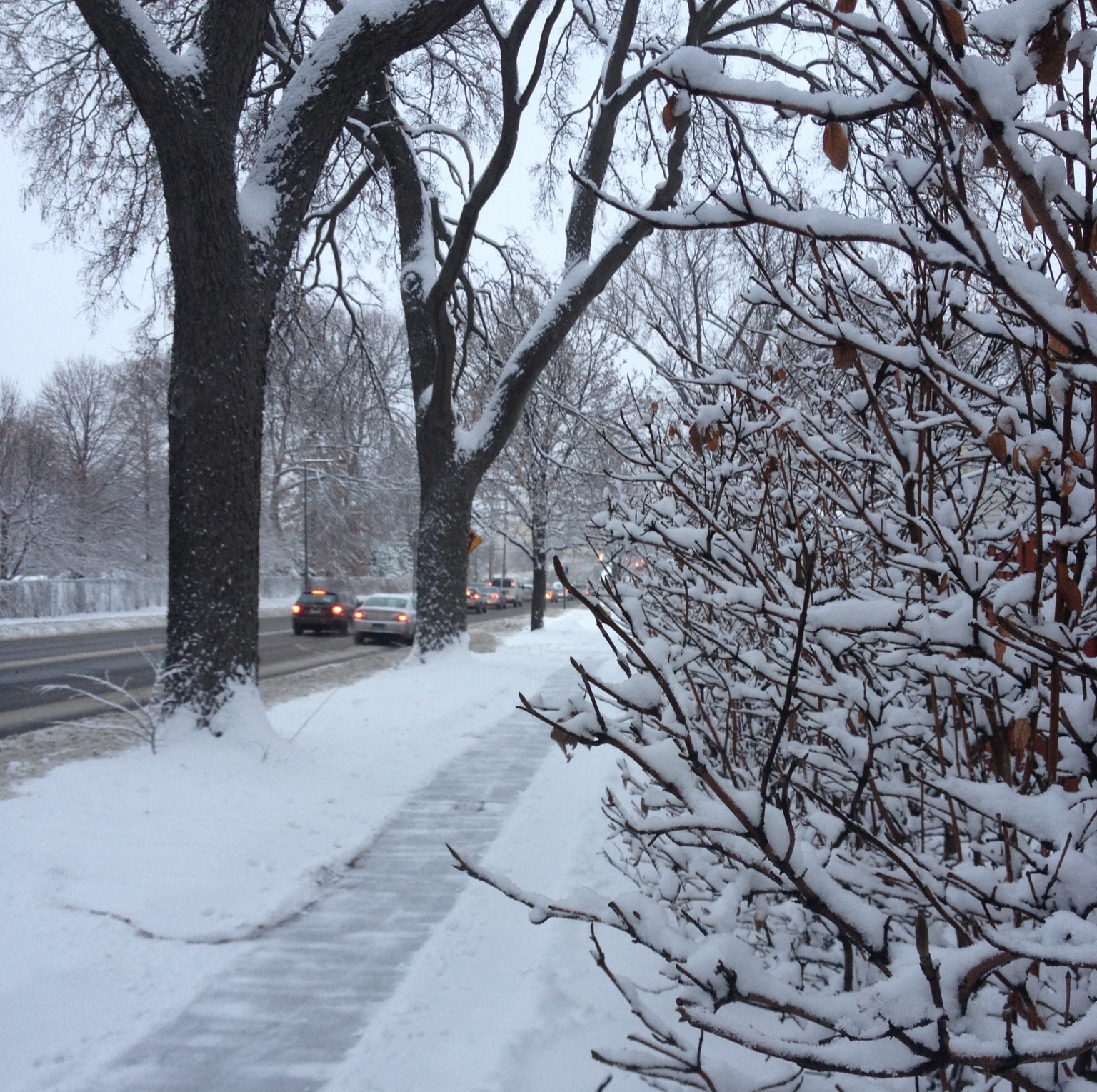
Are you ready for a winter storm?

Photo credit: Lynette Nyman/American Red Cross
Credit: Lynette Nyman/American Red Cross

The first big winter storm, when inches and inches of snow falls, often catches you by surprise. Your commute to work takes twice as long; your pantry lacks basic supplies; and your mind, well, where did its patience go?  We urge you, and we urge you to urge others, to slow down in every way and take a few critical steps towards preparing for the season. Below are several resources that will help you. Take and adapt them for you and your family. What special needs should be tended to before a snow emergency arrives? This tip sheet will help you prepare for and respond during winter weather. This check list covers both winter storms and severe cold preparedness. And this web page addresses pet safety during snowstorms and has an additional link to getting your pets ready for different disasters. Your emotional response to severe weather and other disasters, and the stress they invite, is worth understanding too. For more resources visit redcross.org.

In my what kit?

Yeah, it’s a winter Monday morning. (Photo credit: Lynette Nyman/American Red Cross)

A typical winter morning conversation at the Northern Minnesota Red Cross region HQ after a day-long snow fall and more winter weather expected:

Hey, what’s in your winter car preparedness kit? In my “what” kit? Your car emergency kit, you know, the kit with extra stuff you keep in your car during winter for emergencies? Oh, right, yeah. Boots, gloves, blanket, jumper cables. I mostly think about it in terms of keeping warm. Yeah, me too, but I think my kit needs work.

truck_snow
Does anyone want to brush off the snow? (Photo credit: Lynette Nyman/American Red Cross)

Sure, you can call us geeks (we don’t mind), but we’d rather be prepared, especially on a day like today and the days to follow, than frozen and worried. So, if you’re planning to be out and about via automobile, in addition to having supplies (e.g., scarves, gloves, & blankets) to keep warm, check your car:

  • gas tank: full (half = empty)
  • tires: inflated
  • windshield washer reservoir: full
  • driving: go slow
  • poor visibility: stay home

Of course, we offer the suggestions above knowing that you’ll keep in mind your location–the Twin Cities Banana Belt (term provided courtesy of Thief River Falls native) versus the Minnesota Frozen Tundra (term provided courtesy of Southern California native). Plus, our Red Cross water cooler conversationalists agree that urban versus rural travel shapes your kit.

For more ideas click here,

XO from the Red Cross Water Cooler!

Ready For The Deep Freeze?

THE COLD IS COMING! THE COLD IS COMING! THE COLD IS COMING! By now perhaps you’ve heard: we’re soon to have the coldest weather that we’ve had in Minnesota during the past FOUR years. Rather than FREAKING OUT (as some of us are doing), we asked Minnesota winter adventurer Linda Newman to provide us with tips for staying warm outside when it’s -512 degrees. (Okay, FREAK OUT person is exaggerating. How about BELOW ZERO? It probably feels the same.)

Linda Newman and Arrow, one of her sled dogs. Photo courtesy of Linda (and Arrow).

Cold weather tips from someone who knows (and is smart because she has fluffy warm dogs, too):

  1. Dress in warm layers. Be prepared. You can’t put on what you don’t have but you can take off a layer. Put a water and windproof outer layer over all under layers that is breathable.
  2. NO cotton. Cotton absorbs moisture and holds it close to your skin, keeping you damp and cold.
  3. Keep moving. Even boots rated for 100 below temperatures won’t keep your feet warm if you’re standing still for too long.
  4. No alcohol. Alcohol actually dehydrates you, making you cold.
  5. Stay hydrated. Keep a thermos handy filled with your favorite warm, non alcoholic beverage.
  6. Chemical foot warmers and hand warmers are your friends!
  7. Cold feet and hands. If you want to get warmth to your extremities, you must get the blood flowing to them. Clap your hands together. Make the motion of throwing a ball, rotating your arm from your shoulder, getting the blood directly to your hands. Stomp your feet.
  8. Having a hood with a ruff of some type does help keep your face warmer from wind.
  9. Windproof is the word. Fleece gloves without this feature are cold, cold, cold! A windproof neck gaiter is also so nice!
  10. Don’t suffer in silence. If you’re cold, go get warm. Frostbite is no fun.

Thank  you, Linda (and Arrow), for sharing your winter weather wisdom with us. We hope that you’re toasty warm during the coming days. Meanwhile, everyone can download the American Red Cross free mobile First Aid app and learn what to do in case of frostbite, hypothermia and other emergencies. (Now, back now to FREAKING OUT!)