As Red Crossers, we know disasters can strike at any moment and being prepared before they happen is vital for reducing their impact. We also know the most effective way to engage people with disaster preparedness is for them to hear the message from someone they know.
So, this holiday season we ask you to take the steps below and show your loved ones that you care by helping them prepare for emergencies.
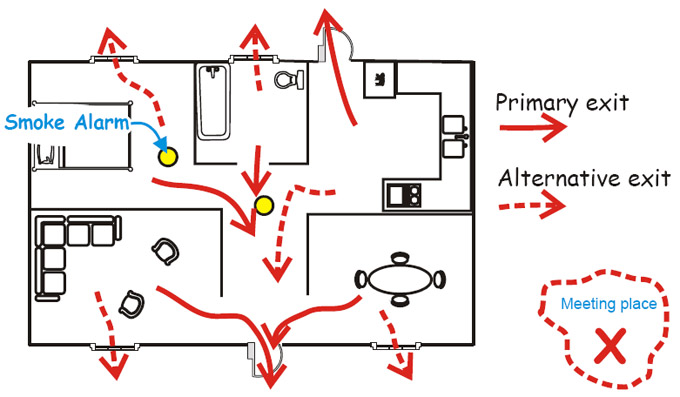
Take 30 minutes to talk through your family disaster plan with household members and that everyone has the same understanding of what to do if there is a disaster.
Once your plan is complete, share with others outside your household the importance of being Red Cross Ready and having a family disaster plan, a disaster kit and downloading the free Red Cross First Aid App to their mobile device. You can use this list of disaster preparedness talking points to get the conversations started.
Keep track of the people you talk with here. There will be a prize for the person who has the most conversations about disaster preparedness between now and January 2!
As a friend, neighbor, community member and Red Crosser, this is a great chance to join together and educate your neighbors, friends and family members about a topic that is very important. For additional preparedness materials and support, contact Jenn Hamrick at 612-604-3290 or jenn.hamrick@redcross.org.
Dollhouse used for teaching fire safety to children. (Photo credit: Eduardo Sanchez Beltran/American Red Cross)
With fall season just around the corner and summer coming to its final weeks, time goes by fast. Tuesday August 5, 2014 is National Night Out, a day when many are focused on bringing the people together through community events throughout the day.
But, the good question is, are you prepared if a disaster occurs? If your answer is yes, we give you a high five! But, if you answered no, we’ve got you covered. There’s no need to feel the pressure to be prepared, but we can help you be ready ahead of emergencies.
For National Night Out, the American Red Cross has a new initiative called, “Take Time to Teach Nine.” This initiative educates people in the importance of having a family disaster plan, taking CPR/AED courses, and downloading and using the Red Cross mobile apps.
Dollhouse toy used to teach fire safety to children. (Photo credit: Eduardo Sanchez Beltran/American Red Cross)
“Emergency preparedness doesn’t have to be long conversations,” says Libby Sweeney, Community Outreach and Events Intern for the American Red Cross Northern Minnesota Region. “Red Cross staff and volunteers will be taking time to teach nine other people steps they can take to be better prepared.”
The initiative consists of Red Cross volunteers working with neighborhood groups and showing kids fire safety, including through use of a dollhouse at several locations. “This is a more casual approach to teach people while they hang out with their neighbors,” says Sweeney. The outreach initiative also has preparedness materials, giveaways and support, as needed.
To find out more information on how to teach your community about building an emergency kit or developing a disaster’s plan, visit the American Red Cross website. Or you can contact Libby Sweeney at 612-460-3674 or libby.sweeney@redcross.org.
Story and photos by Eduardo Sanchez Beltran/Communications Intern, American Red Cross Northern Minnesota Region
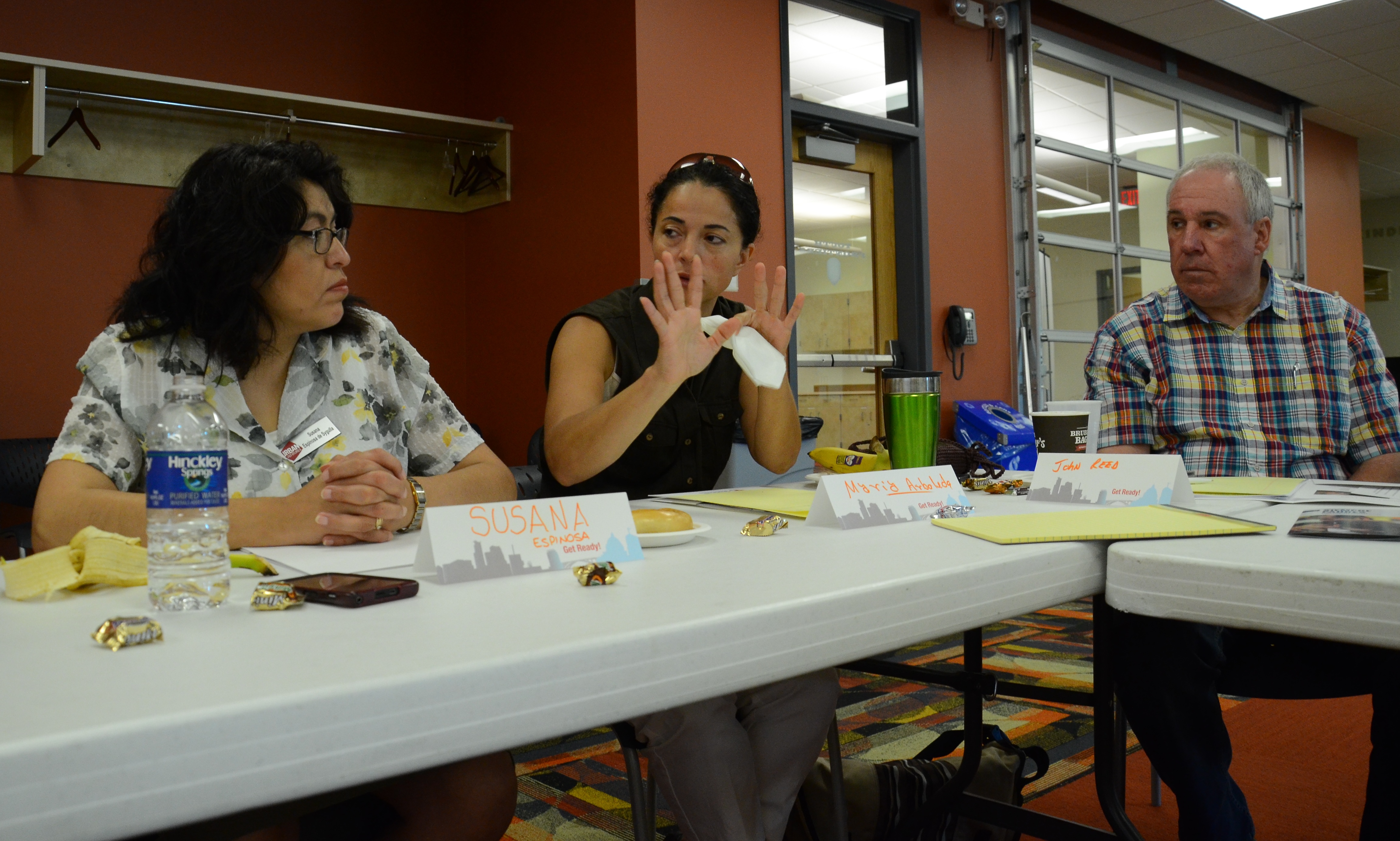
On May 29, our Red Cross region hosted its first Latino Leadership Summit. Held at Urban Ventures in Minneapolis, the summit brought together local Red Cross leaders and Latino community representatives for a conversation about emergency preparedness. Eleven people representing Latino groups, businesses or service organizations attended. They learned more about the importance of being prepared before disasters happen as well as Red Cross services and programs. They offered, in return, insights into how the Red Cross can do a better job sharing its preparedness message with Spanish-speaking communities and helping them become more disaster resilient in Minnesota.
Here are some highlights:
Victoria Krook (above), a K-12 educator in Brooklyn Center, says that reaching Latino families one-on-one is best. Winter, she says, is a major emergency issue to address in Latino communities: “Parents don’t know frostbite, how quickly it can happen.”
Maria Arboleda (above center), a program coordinator in higher education, says that many Latino families have resources to be prepared for disasters, but that “if we want to get this education out to communities, then we need more Spanish speakers and more people from the communities.”
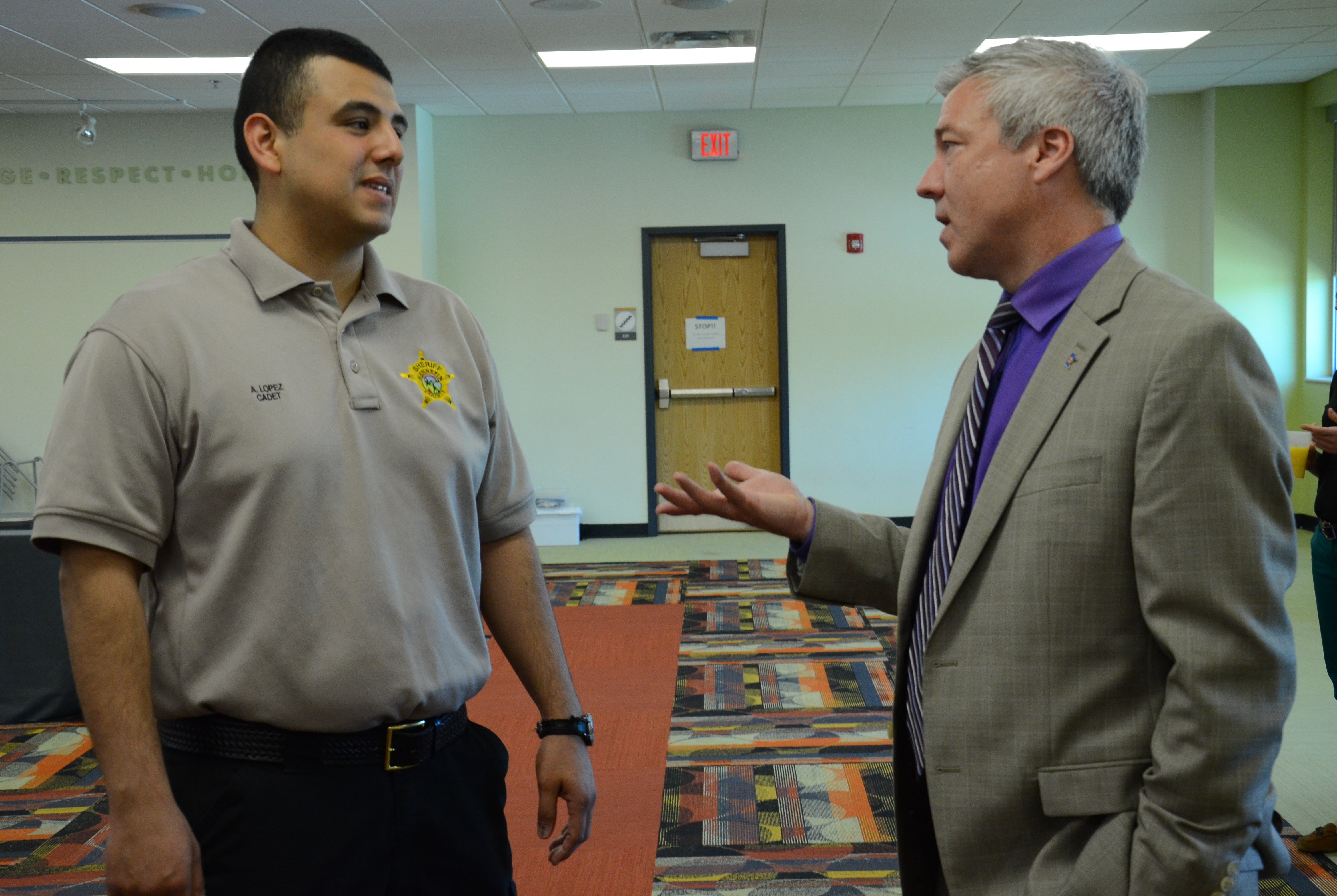
“Every mom is a first responder,” says Arturo Lopez (above left), a cadet in law enforcement training. Lopez says that building trust, reaching children and training women are keys to sharing preparedness messages with Latino families.
Our Latino community partners left the summit with fresh enthusiasm and concrete action steps for preparing and preventing emergencies at home and work. Our Red Cross action plan includes helping them reach their goals and building on our new shared energy.
Story and photos by Lynette Nyman/American Red Cross
Red Cross board member Hap LeVander shows off his family’s emergency kit: “A couple items to add, and we’re set!”
Last March, our region’s board members accepted a challenge:
“100% of Board Members will take at least one tangible step towards Personal Preparedness by getting a kit, making a plan or being informed; and will document and submit it evidence of it (by photo or in writing), no later than Tuesday, April 22, 2014, end of day.”
We can report to you: the challenge was embraced and the goal was reached. This means that all 98 regular board members from the 6 Red Cross chapters in the Northern Minnesota Region successfully participated!
We’re especially eager to share this news with you in the wake of the weekend’s deadly and devastating storms in Arkansas and other nearby states where the Red Cross is on the ground providing emergency aid to people affected by these storms –storms the strength of which we know can happen here in Minnesota.
Red Cross board member Sara Viker Althoff and her family practiced using their flexible fire escape ladder.
So, we encourage everyone, just like our board members did, to take one step towards improving your family’s preparedness for disaster and other emergencies.
To help in getting a kit, making a plan or being informed, we’ve included below a couple good sources of information for you to use. The following items will guide you in taking the first steps toward improving your level of preparedness.
1) Here’s a link to the Be Red Cross Ready website, which gives you an interactive interface to begin the 3 steps to being prepared for emergencies: http://bit.ly/1rFYYGg.
2) You also can download the Red Cross tornado app, which has alerts, tips and other features that will help you be prepared for emergencies: http://rdcrss.org/1pHlYHh.
Have fun… Get your family involved… And tell us how you did!
Red Cross intern Aria Nelson. Photo credit: Charlotte Bernsohn/American Red Cross.
I’m so happy I had the chance to be an intern with the American Red Cross. As a senior at Winona State University majoring in Health Promotion, I needed a 600-hour internship to graduate in May. I came across the preparedness internship in my search, and man am I happy I did!
When I began my internship in January, my task was simple: find and fill gaps in fire safety knowledge in the community. After much research and discussion, I focused my efforts on children. I turned to the Red Cross preparedness team for help with creating a fire safety event for children from scratch. After weeks of planning, revising, and set building, it was gratifying to see the event come to life on April 3.
It was exciting to see around 100 kids stream into the recreation room at the Boys and Girls Club in St. Paul and interact with each of the six fire safety stations we had created. Each interactive station focused on a specific fire safety topic: creating an escape plan, cooking safety, fire hazards in the home, how to make an emergency kit and be prepared, candle safety, and how to get low and go.
An interactive education station during the “fire safety academy.” Photo credit: Charlotte Bernsohn/American Red Cross.
While facilitating the event, I noticed how the children were engaged at each station. I was happy to see the children making connections and truly learning lifesaving information about home fire safety. For example, I remember watching a girl take time to think about how to escape from her house during a fire and then drawing it on graph paper. The need for this event was driven home when a boy came up and said, “I live in an apartment and I have no idea how I would get out.”
Through my internship experience at the American Red Cross I’ve done a variety of things, from gathering and assessing preparedness surveys to presenting, on my own, to community groups as well as to children in schools. Presentations became one of my favorite things to do. You would have never heard me say that in college!
I’ve been reflecting on my experience at the Red Cross. I can’t imagine having been anywhere else. I’m so grateful for this opportunity, the people I’ve met along the way, and the incredible amount of experience I have gained. A special thanks to those who helped with the “fire safety academy” for children. Everyone did an amazing job educating and engaging the children. My hope is that this program will carry on when I am gone.
Click here to learn more about Red Cross opportunities.
While we can’t auto-magically get you prepared for disasters, we can give you the tools you need. The basic steps include making a plan, building a kit and being informed.
Make a PlanPlanning together is important. Everyone in the household should help develop the emergency plan and know what they should do if something occurs. The plan should include ways to contact and find one another. Include two places to meet – one near the home in case of a sudden emergency like a fire, and one outside the neighborhood in case circumstances prevent people from returning home. The plan should also identify an emergency contact person from outside the area in case local telephone lines are overloaded or out of service.
Often people are not at home when a disaster occurs and they may not be able to get back into their neighborhood. Plans should include decisions about where everyone will go if ordered to evacuate and what route they will take to get there. When discussing evacuation, everyone should include several different routes in case roads are closed. If pets are part of the household, they should be considered, including where they could be safe if the family has to evacuate such as pet-friendly motels and animal shelters along the evacuation route.
Get a KitAnother step to get ready is to build an emergency kit. Use an easy-to-carry container so the family can use it at home or take it with them if asked to evacuate. It should contain a three-day supply of water (one gallon, per person, per day), nonperishable food, a flashlight, battery-powered or hand-crank radio, extra batteries, a first aid kit, a 7-day supply of medications, a multi-purpose tool, sanitation and personal hygiene items and copies of important personal documents. The Red Cross also recommends having at least two weeks worth of supplies at home.
Be InformedEveryone also needs to stay informed about what types of disasters are most likely to occur where they live or where they plan to visit, and how officials will communicate with you during an emergency. It’s also important to take a first aid and CPR/AED course—a vital component of disaster preparedness in case emergency help is delayed. Click here to find a class near your local Red Cross chapter.
Red Cross AppsPeople can be ready for whatever comes their way by downloading the free Red Cross apps for mobile devices which not only help people during emergencies, but offer help creating their emergency plan. The apps give people vital information to use during emergencies, even if they can’t connect to the internet. The apps can be downloaded from the Apple App Store and the Google Play Store for Android by searching for American Red Cross.
So, the other day, this young man named Paul van Vliet stops by Red Cross offices in Minneapolis and drops off comfort kits for kids. How cool is that? He (Paul) comes up with his own project idea (making comfort kits for kids) and provides them (the kits) to us (Red Cross) so that our disaster relief workers can give the kits to kids affected by disasters (like fires, floods, & tornadoes).
Now, let’s give some credit to us (Red Cross) because we came up with the original comfort kits for adults and children idea, but we rely on motivated and generous peeps like Paul to make this kits and help reduce the suffering of people who escape burning buildings or high waters. Paul’s dad John was on hand for the comfort kits for kids drop off. He took a fine photo of his son Paul (top & bottom) and then sent us a nice note (excerpt below left).
“It was great to meet you at the Twin Cities’ Red Cross office today. Thanks for your interest in my son, Paul’s, Eagle Scout project. It was a wonderful surprise and honor to meet Phil Hansen, an Eagle Scout himself. I know Paul was very impressed and honored by Mr. Hanson’s enthusiastic reaction to his project. And I am sure Paul will remember this day for the rest of his life. Most important, he and I are gratified to know these comfort kits will benefit the littlest and most vulnerable victims of disasters.”
Well, John, we think your son is the bee’s knees. We could not do what we do without him and others like him. We wish Paul many happy days during his next adventure (college) and hope that he will make his way around the world and back to us some time in the future.
By Phil Hansen, CEO, American Red Cross Northern Minnesota Region
The Minnesota Department of Natural Resources recently reported that the number of drownings across the state has nearly hit a 10-year high. Each loss of life I hear about hits home. Years ago, I was motivated to join the Red Cross after witnessing a terrible tragedy, like the ones we’ve seen this summer.
As a young man I was involved with a team of rescuers in a search for two young boys who were lost in a river near the camp where I worked. As one boy entered the deep and fast-moving water he had lost his footing and reached back for help, pulling the other boy into the water with him. While we searched the dark water, the mother of the boys stood on shore pleading with us to find them–sadly, neither survived. I was to learn later that neither boy knew how to swim.
These drowning deaths were heartbreaking for all involved. Personally, I was so troubled by the event that I wanted to do something meaningful to help ensure the safety of children in and around the water – I became a water safety and CPR instructor for the Red Cross where I have continued to work ever since.
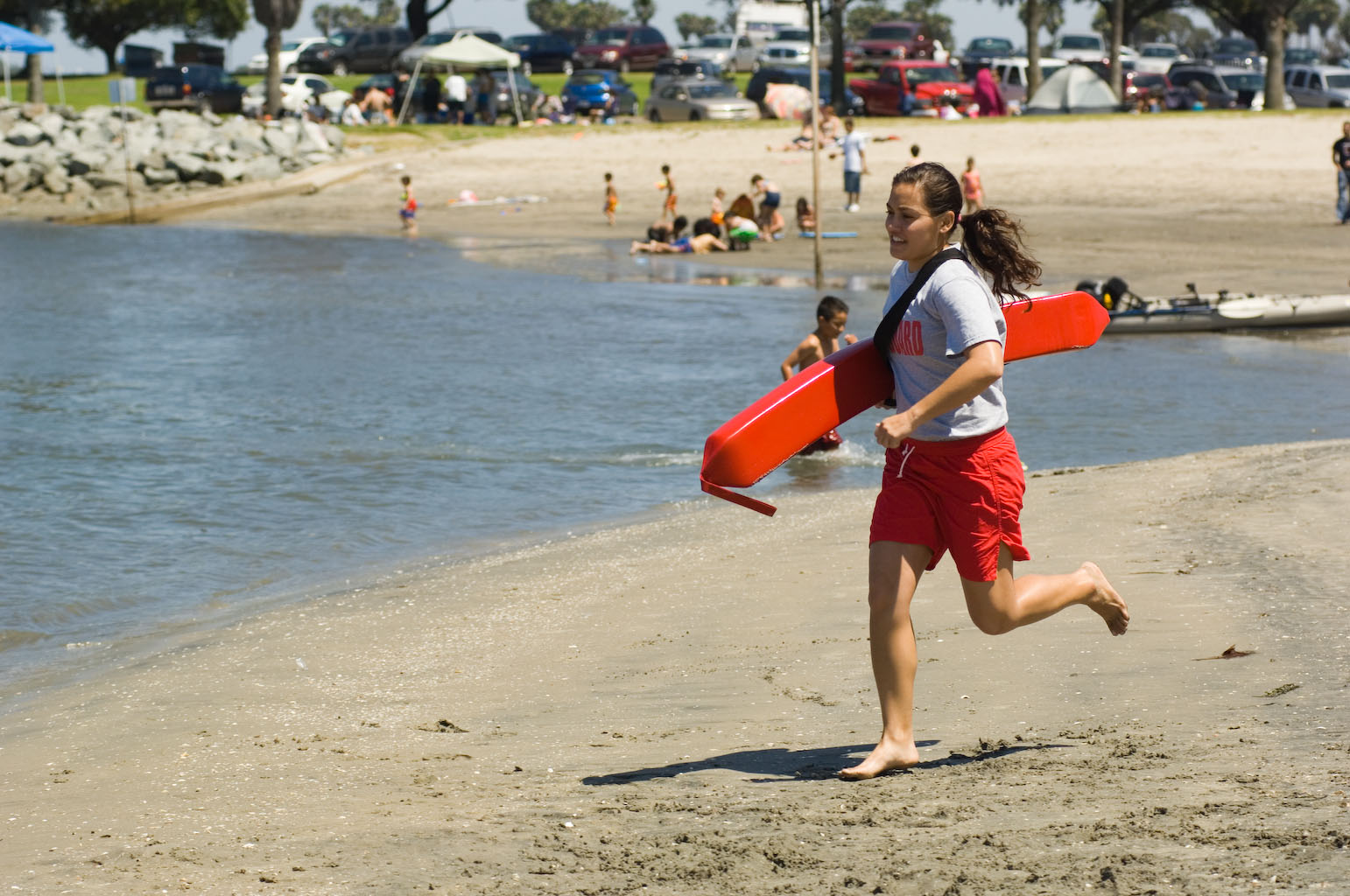
Summer is a beautiful time in Minnesota and we are fortunate to have access to pools, rivers and, of course, our 10,000+ lakes. But the spate of recent drowning incidents has prompted many to ask how future downing tragedies can be prevented. When it comes to water safety we all have a role to play in promoting and supporting water safety basics, such as never swimming alone, always swimming near a lifeguard, and making learning to swim a priority in our families. We know, and we teach, that multiple layers of protection make the difference when preventing water emergencies and responding to them when they happen.
Here are some ways you can make a difference:
Maintain constant supervision when watching children around water. Active supervision prevents water emergencies and saves lives.
Have children or inexperienced swimmers wear a U.S. Coast Guard-approved life jacket around water, but do not rely on life jackets alone.
If someone is missing, check the water first. Seconds count in preventing death or disability.
Know how and when to call 9-1-1 or the local emergency number.
Enroll in CPR and First Aid courses to learn how to respond. Insist that babysitters, grandparents and others watching children around water know these lifesaving skills.
Know before you go—swim where you know it’s safe; walk carefully into open waters; do not dive.
Heed the warnings and instructions of lifeguards and other authorities as well as flags and signs.
Watch out for the dangerous “too’s”: too tired, too cold, too far from safety, and too much sun.
While the Minnesota summer is short and lovely, and should be enjoyed, there are both joys and hazards associated with recreation in and around water. We ask everyone to take on a role in water safety and to learn to respect the water. No one is drown-proof, but together we can make our community a safer place to live, play and splash this summer.
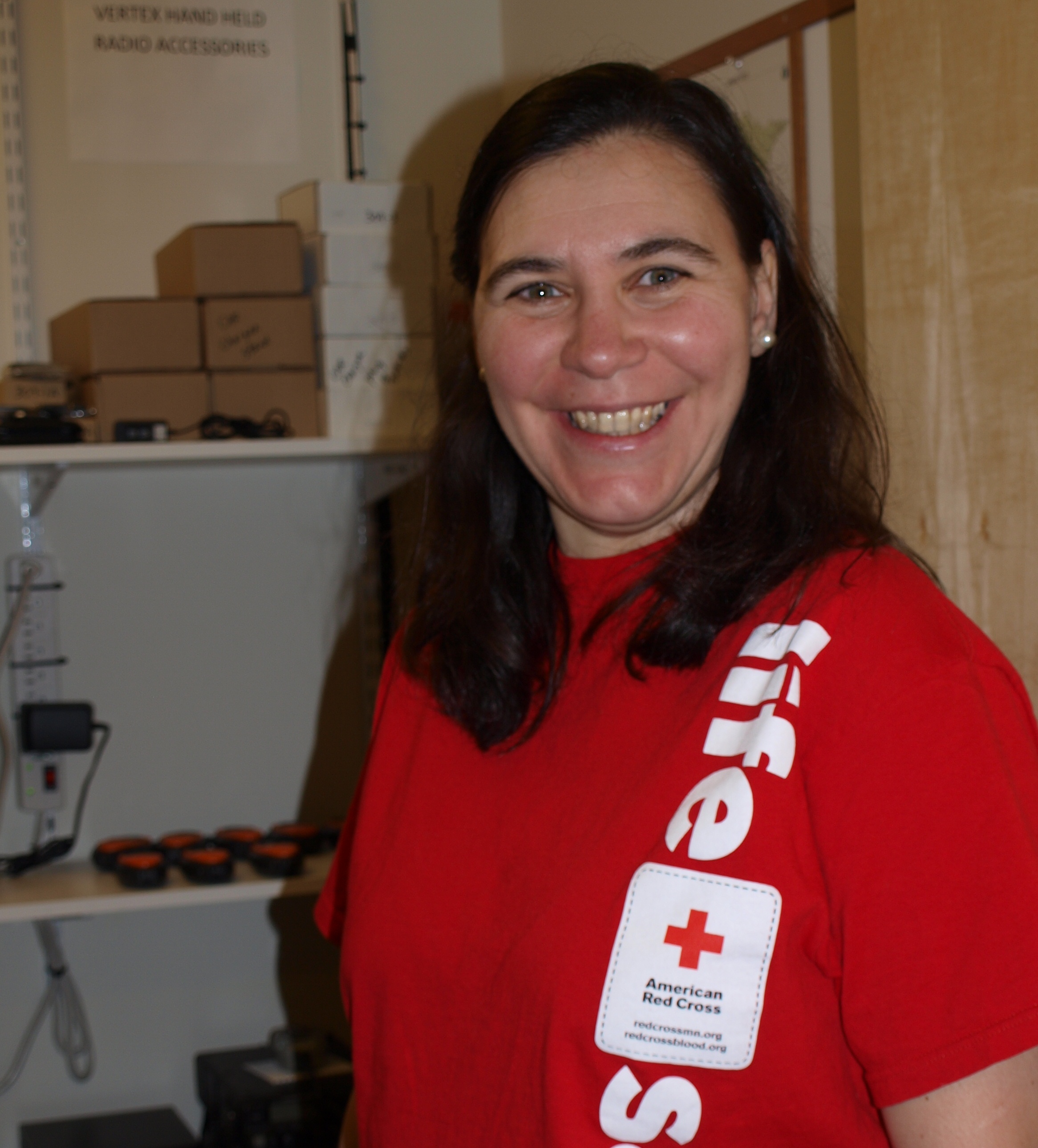
Thanks to Red Cross worker Viviana Sotro thousands of people in Minnesota’s diverse communities are safer and better prepared for emergencies here in Minnesota.
This month way say “adios amiga” to our friend and co-worker Viviana Sotro who has accepted an executive director position at a local Latino family organization.
For twelve years, Sotro has provided emergency preparedness education to thousands of people across the Minneapolis-St.Paul metro area. In the Latino community alone, she has reached around 10,000 people with safety & preparedness education, which she believes is worthwhile. “I can say, yes, preparedness education makes a difference. I can see it on their faces. They say, now I know.”
Trained as a Red Cross EMT in Argentina, Sotro has long understood that diverse communities in Minnesota might need to learn about being safe during severe weather and other emergencies. “I could relate to them because most people from Latin countries have never experienced tornadoes.” In 2002, Sotro joined the Red Cross in Minnesota as a volunteer and the following year she accepted a staff position. Later, she became the community outreach manager guiding staff and volunteers in their work teaching people from Africa, Asia, and Latin America who now make Minnesota their home. “I really like to be respectful of other cultures. Everyone has something unique to appreciate.”
Although Sotro is departing her Red Cross job, she plans to continue being involved as a volunteer. Her hope, she says, is that diverse community engagement with the Red Cross increases. “I would like to see more Latinos wearing Red Cross t-shirts as volunteers.” She would especially like to see more people from diverse communities become Red Cross instructors, disaster relief workers, and good samaritans trained in CPR & First Aid.
Thank you, Viviana, for being a part of the Red Cross and helping to fulfill our mission to prevent and alleviate human suffering. We wish you and your family the very best.
As ghosts and vampires get ready to roam the streets, we offer these tips to make this a frightfully safe Halloween:
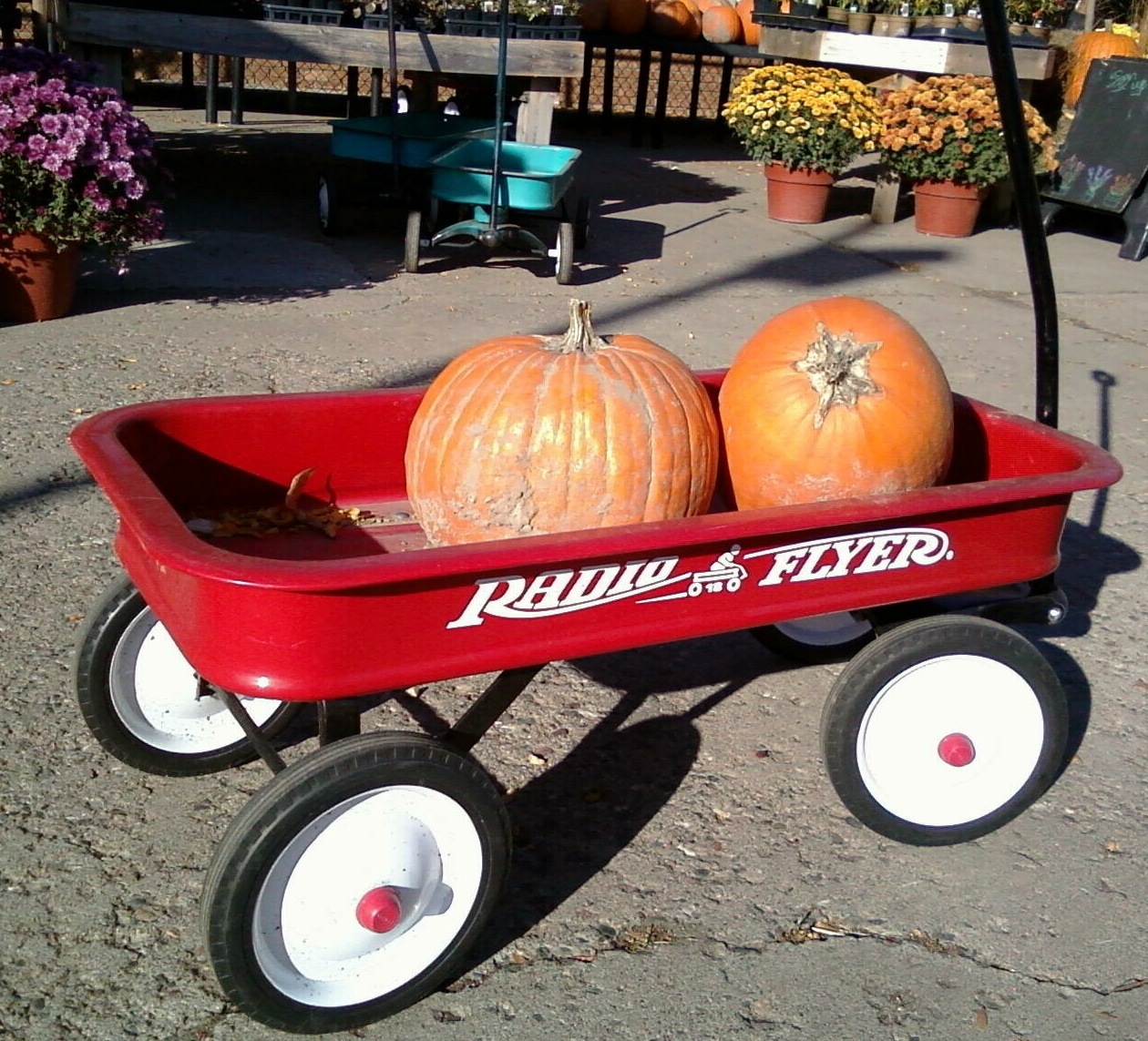
We like these pumpkins. Have a safe and fun Halloween. (Image credit: Lynette Nyman)
Costume Safety
Whether a child wants to be a princess, a monster or a superhero for Halloween, parents can help keep it safe by:
Adding reflective tape to costumes and trick-or-treat bags.
Using flame-resistant costumes.
Using face makeup instead of masks, which can cover eyes and make it hard to see.
Navigating the Neighborhood
To maximize safety, plan a route ahead of time. Make sure adults know where children are going. If the children are young, a parent or responsible adult should accompany them as they walk through the neighborhood.
Here are more safety tips to follow as children go from house to house:
Make sure trick-or-treaters have a flashlight.
Visit only the homes that have a porch light on. Accept treats at the door—never go inside.
Walk only on the sidewalks, not in the street. If no sidewalk is available, walk at the edge of the roadway, facing traffic.
Look both ways before crossing the street, and cross only at the corner.
Don’t cut across yards or use alleys. Don’t cross between parked cars.
Be cautious around strange animals, especially dogs.
Trick or Treat!
For those who expect to greet trick-or-treaters at their door, they can make sure it’s fun for everyone by following a few tips:
Make sure the outdoor lights are on.
Sweep leaves from sidewalks and steps.
Clear the porch or front yard of any obstacles that a child could trip over.
Restrain pets.
Use a glow stick instead of a candle in jack-o-lanterns to avoid a fire hazard.
 As Red Crossers, we know disasters can strike at any moment and being prepared before they happen is vital for reducing their impact. We also know the most effective way to engage people with disaster preparedness is for them to hear the message from someone they know.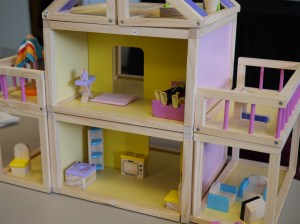






 American Red Cross Minnesota and Dakotas Region