Throughout March 2015, U. S. Bank is making it easy for its customers to support the important work of the American Red Cross. All month long, customers can make a financial donation to support Red Cross Disaster Relief at more than 5,000 designated U.S. Bank ATMs nationwide.
We are grateful to U.S. Bank for its generous support and partnership that helps ensure that the Red Cross has reliable funding for disaster relief services. It’s support helps us immediately respond to disasters in Minnesota and across the country. The sooner our volunteers get to an emergency site, open shelters, serve hot meals and provide comfort to victims of disaster, the more quickly people and communities can begin to recover.
Our partnership with U.S. Bank extends our reach so that we can help more people before emergencies happen. Richard Davis, Chief Executive Officer of U.S. Bank and a member of the American Red Cross Board of Governors, makes preparedness a priority within U.S. Bank. His effort helps employees to be prepared at work and at home for anything, anytime. By working together, we deliver preparedness information and First Aid, CPR and AED training.
Also, U.S. Bank employees roll up their sleeves and help save lives at Red Cross blood drives. In 2014, U.S. Bank hosted 86 blood drives across the country. In Minnesota, the Red Cross collected an impressive 1,006 units of blood at 26 drives hosted by U.S. Bank and its employees.
Through our combined efforts, U.S. Bank and the Red Cross are strengthening the ability of the communities we serve to prevent, prepare for and respond to emergencies and help rebuild lives after a disaster strikes.
Story and photos by Lynette Nyman/American Red Cross Additional reporting by Lanet Hane/American Red Cross
Lois Hamilton served with the American Red Cross Supplemental Recreational Activities Overseas (SRAO) program in Korea after the war in 1965 and during the Vietnam War in 1967 and 1968. Photo credit: Lynette Nyman/American Red Cross
Lois Hamilton was a Red Cross caseworker at the Great Lakes Naval Hospital in 1967 when she decided to go to Vietnam at a hot time during the war. At the hospital, she saw “horrendous injuries,” but she also saw wounded warriors get well. “I loved my work,” she says over coffee and pastries at her home in Rochester, Minnesota. “It was my job to make the whole situation easier for them, to comfort them.”
By that time, and the time of her decision to go to Vietnam, she already had overseas experience. She’d left her hometown of Osseo, Minnesota, to serve with the Red Cross’s Supplemental Recreational Activities Overseas (SRAO) program in Korea in 1965. She was 22 years old. She knew Vietnam would be different, tougher and more serious. Still, her Korea experience was key: “Had I not gone to Korea, I’d never have gone to Vietnam,” she says.
When she told some of the patients at the Great Lakes Naval Hospital about her plans “they thought it was the dumbest thing they’d ever heard.” Yet, they were supportive and gave her some advice: “keep your head down,” they said. And she did, for 12 months of service with the Red Cross SRAO program in Vietnam in 1967 and 1968.
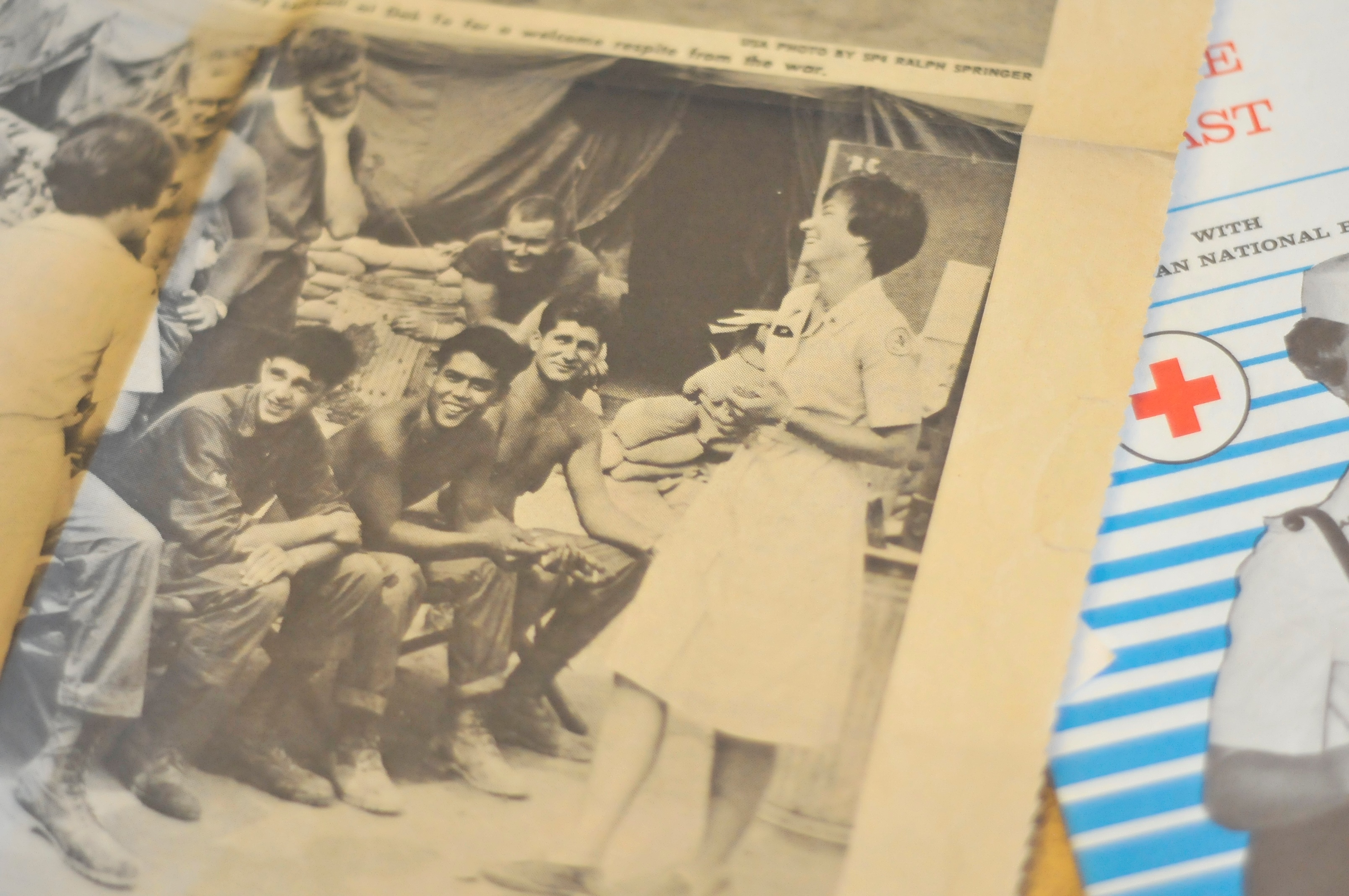
During that time, Lois and the other SRAO women, all recent college graduates with adventurous spirits, carried program bags: duffels stuffed with quizzes, flashcards and other games for boosting morale and combatting boredom among American troops in South Vietnam.
During the Vietnam War, Lois Hamilton (center) was among hundreds of young women who carried Red Cross SRAO program bags stuffed with quizzes, flashcards and other games they used to boost morale and combat boredom among American troops. Photo credit: Lynette Nyman/American Red Cross
From their base in Saigon, the “Red Cross girls” (also nicknamed “Donut Dollies”) traveled to army units around the country. They went by bus or helicopter. A few made small talk with the helicopter pilots. But unlike some of the other girls, Lois did not make friends with the pilots because their risk of being killed was so high. “I think it was a protection sort of thing.”
Lois never doubted she would make it home. Not even in 1968 during the Tet Offensive, a series of communist military attacks on Saigon. Mostly, the time was “scary for my family because mail wasn’t going in or out.” Still, Lois heard gunfire on her street. Even closing shutters was a danger.
Later, Lois and the other SRAO workers were transferred to the U.S. Army’s 4th Infantry Division headquarters at Camp Enari in Pleiku. There, they sought cover in a bunker that was just for the Red Cross girls. “I worried about some of them,” says Lois, who recalls crying only one time when a shower blew up and there was a fire, and then no hot water. It was a little thing, really, but the little things added up.
Sometimes during their service, Lois and the others wore flak jackets. “You girls should not be here,” a soldier said. “But if you are, then you should wear flak jackets.” They also had fatigues, combat boots and, for a short time, a revolver that a captain at Camp Enari gave them for times when they had to jump in the bunker.
A page from the Sayonara (farewell) book the Red Cross girls made for Lois Hamilton before she left Vietnam in 1968. Photo credit: Lynette Nyman/American Red Cross
But they were non-combatants. Most often Lois wore a dress, not a flak jacket. Her job was to bring a smile to a weary soldier’s face. “They had fun and I had fun, too,” she says. “Smiling was good.” For the most part, she felt like one of the guys. “The difference was that I was a civilian.”
In July 1968, her service was up and Lois did not extend. “I’m going home,” she said at the time to the others. “I was just ready to go home,” she says today.
Lois stayed with the Red Cross in various positions and retired decades later. She also became active in the Vietnamese refugee community in Rochester. “I felt I had a kinship because of Vietnam.” She went so far as to welcome three refugee children, with their own stories of survival and escape, into her home and later adopt them.
Reflecting on her Vietnam experience, Lois remembers her decision to go surprising her friends. “Lois would never do that,” some said. But she felt good about going. She would go again. “I’m the one who’s lucky.”
At its peak in 1969, 110 young women with the American Red Cross Supplemental Recreational Activities Overseas (SRAO) program reached an estimated 300,000 military members in Vietnam (source: redcross.org). Today, the Red Cross continues to provide emergency communications and other services to America’s armed forces. To learn more, click here.
The New Year is a great time to evaluate your priorities and begin new adventures. If you’re looking to improve your health, expand your social circle, and build new skills, volunteering with the Red Cross may be the perfect new experience to dive into in 2015. And if you’re already among our amazing cohort of volunteers, this may be just the time to explore a new opportunity.
Why Volunteer?
Volunteering has many benefits – it allows you to expand your skill set, meet new people, have fun, and make a difference in your community. But did you know it also has positive health benefits? A Corporation for National and Community Service report found that volunteering leads to better health, including lower mortality rates and lower instances of heart disease. So, if your New Year’s list includes hitting the gym and eating more veggies, consider volunteering as another (and more fun) way to improve your health.
Why the Red Cross?
Volunteers are so important to the Red Cross that they’re right in our mission statement:
The American Red Cross prevents and alleviates human suffering in the face of emergencies by mobilizing the power of volunteers and the generosity of donors.
Red Cross volunteers are both generous and committed. In the past 6 months, volunteers from the Minnesota Region have devoted over 57,000 hours to the Red Cross mission – a value of over $1.3 million to the organization and our community.*
What Can I Do?
The Red Cross has a wide variety of volunteer opportunities – from teaching CPR/First Aid courses and to responding to local disasters, to assisting with fix-it projects around our buildings. You can check out the opportunities listed below, and find a more complete overview of opportunities on our website. If you’re ready to get started, you can apply here.
If you already volunteer with the Red Cross but would like to get more involved (or try something different), we have some great new opportunities available:
Volunteer Champion – The Volunteer Services Department is seeking Volunteer Champions to support and implement ways to recognize, retain, and increase satisfaction of volunteers.
Disaster Action Team (DAT) Administrator – The Disaster Services Department is seeking a DAT Administrator volunteer to manage the DAT calendars, communicate schedules with after-hours answering service, monitor DAT schedules to ensure ongoing on-call coverage, and enter response data after an event.
Donor Appreciation Volunteer – The Financial Development Department is seeking volunteers to thank donors for giving generously to the American Red Cross.
Latino Outreach Volunteer – The Preparedness Department is seeking volunteers to go to a variety of events in the Latino community and have conversations with individuals and families about the importance of being prepared. Must be fluent in Spanish.
Emergencies can cause people to leave their homes with nothing but the clothes on their backs. That’s why a Red Cross disaster relief response always begins with a safe place to sleep, hot food and a hug.
Photo credit: Lynette Nyman/American Red Cross
This holiday season, as you think of giving holiday gifts to your friends and loved ones, you can give something that means something.
Choose a symbolic gift from the Red Cross Holiday Giving Catalog for someone on your list, and your tax-deductible donation will support a Red Cross program. For example, you can:
Provide 10 warm, cozy blankets to protect disaster survivors from the cold and help them sleep comfortably in our shelters with your gift of $50
Deliver urgent messages for 2 military families to help ensure they get the support they need to reach a loved one when a family emergency occurs with your gift of $160
Provide 500 Measles vaccinations, enough for the children of an entire village, and prevent needless deaths with a vaccination that offers a lifetime of protection with your gift of $500
Help where it’s needed most, for any amount
There is so much you can do. You can help the nearly 70,000 people who turn to the Red Cross every year for help during a disaster. You can help the members of the military, veterans and civilians who receive about 400,000 Red Cross services every year. You can help the patients in hospitals and transfusion centers across the country who depend on Red Cross blood donors to help them regain their health.
Every eight minutes, the American Red Cross brings help and hope to someone in need. We could not do it without you. so this holiday season, please give something that means something.
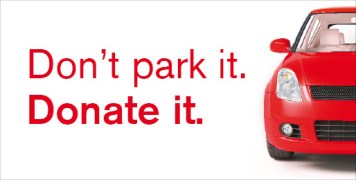
The American Red Cross recently launched a vehicle donation program that converts unneeded vehicles into Red Cross donations to help those in need.
“People may think their old vehicle is worthless but the donation could be priceless to someone in need of Red Cross services,” says Phil Hansen, CEO of the American Red Cross Minnesota Region. “Your vehicle has value. Turn it into compassion and care.”
The Vehicle Donation Program offers an easy donation process with convenient, free pick-up and towing, and a tax-deductible way to dispose of unwanted vehicles.
Our partners at Insurance Auto Auctions (IAA) will pick up your vehicle at a time that’s convenient for you, and at no cost to you. IAA will provide a tax receipt on behalf of the Red Cross and sell the vehicle, sending the proceeds to the Red Cross.
When you donate a vehicle it has the same impact as donating cash—it can help rebuild lives. For example, a car worth $1,000 at auction provides food and shelter to five families for one day in a shelter, including everything they need to be safe and secure after losing everything in an apartment fire.
In Minnesota, financial donations help the Red Cross shelter, feed and provide emotional support to victims of more than 600 disasters each year; supply more than 70 percent of local blood need; teach lifesaving skills to thousands; fund international humanitarian aid; and support American military members and their families during emergencies.
The vehicle donation program accepts cars, trucks, motorcycles, RVs, boats, snowmobiles, jet skis, tractors, farm equipment and other types of vehicles, in almost any condition—even salvaged. And, the process is quick with an average turnaround time of less than 30 days.
To donate a vehicle, visit the Red Cross online at redcross.org/cardonation or call 1-855-927-2227 to make arrangements. Contact your tax professional for details about tax deductions for vehicle donations.
Story by Lanet Hane – American Red Cross Volunteer
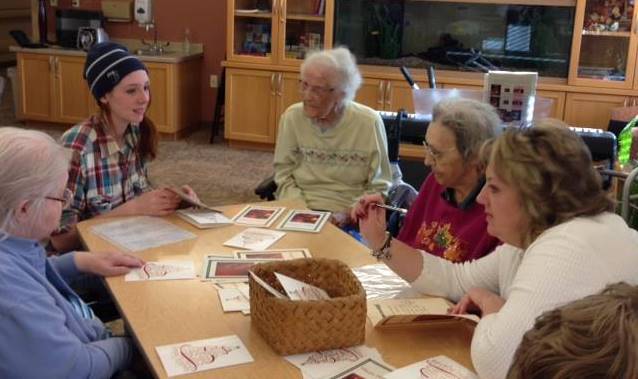
Holiday Mail for Heroes cards from the 2013 signing campaign. Photo credit: Lynette Nyman/American Red Cross
American Red Cross Holiday Mail for Heroes program is an annual program focused on bringing a little more holiday thanks and cheer to veterans, those currently serving in the armed forces, and their families. Individuals send cards, with handwritten notes of holiday tidings and thanks, to the Red Cross. The Red Cross distributes the cards to those who will most appreciate them during the holiday season. Veteran’s hospitals, Veteran’s homes, and families of currently deployed personnel are frequent recipients of Holiday Mail for Heroes holiday cards.
For the 2014 holiday season, the Red Cross is changing the format of the Holiday Mail for Heroes program to better serve military personnel as well as make effective use of donor resources. Rather than send all cards to a centralized national location, as has been done in the past, the Red Cross is empowering individual Red Cross chapters to collect cards from their own communities. Mike Booth, the Services to Armed Forces Director at the American Red Cross, says this new decentralized approach to the program will continue to be effective, but will reduce the number of financial and human resources.
Mike also emphasizes the fact that this program is designed not only for active military members. While Holiday Mail for Heroes does provide cards for those in active service, the program has a much wider scope. The cards contributed by community members may go to any number of people connected to the military.
Holiday Mail for Heroes card signing event at Neilson Place, Bemidji, MN, November 3, 2014. Photo credit: Linda Barkley/American Red Cross
Because the program is not limited to currently active military personnel, it also provides a unique opportunity for people to partner with the Red Cross in remembering veterans. Many veterans receiving holiday cards are patients in VA hospitals or residents at State Veteran’s Homes, and have little contact with friends or family. Holiday Mail for Heroes connects these veterans with individuals who have taken the time and care to personalize a holiday card and send it to them in thanks for their sacrifice.
And, while a holiday card may seem a small triviality, they are anything but trivial to those who receive them. “This program continues to hold great value,” says Mike. “The veterans, wounded warriors, and military families who receive these tokens appreciate them in ways that might surprise many of us. For some of these people, one of these cards can really make their day.”
If you plan to participate in this program, please review program guidelines for creating and sending your cards. To ensure card delivery in time for the holidays, the local Red Cross office must receive cards no later than Friday, December 5.
On November 13, GiveMN.Org will host its annual 24-hour give-a-thon to ignite generosity in Minnesota. This amazing day supports the work that hundreds of non-profit organizations are doing across our state every day. This includes the American Red Cross.
For a family who loses everything, there is no such thing as a small disaster. From home fires to tornadoes, winter storms to health emergencies, the Red Cross is there for all Minnesotans with help, hope and a warm hug. And we are there for them with you beside us.
Last year, local giving to the Minnesota Region of the American Red Cross enabled us to respond to more than 600 emergencies, assist more than 850 families, teach CPR and other lifesaving skills to nearly 80,000 individuals, and provide other valuable services that helped change lives and make our communities safer.
On Give to the Max Day, November 13, 2014, show your support for the Red Cross and its important work in Minnesota. Help us be there, for you and for your neighbors, in times of need. Schedule your gift now.
Story and photos by Lynette Nyman/American Red Cross
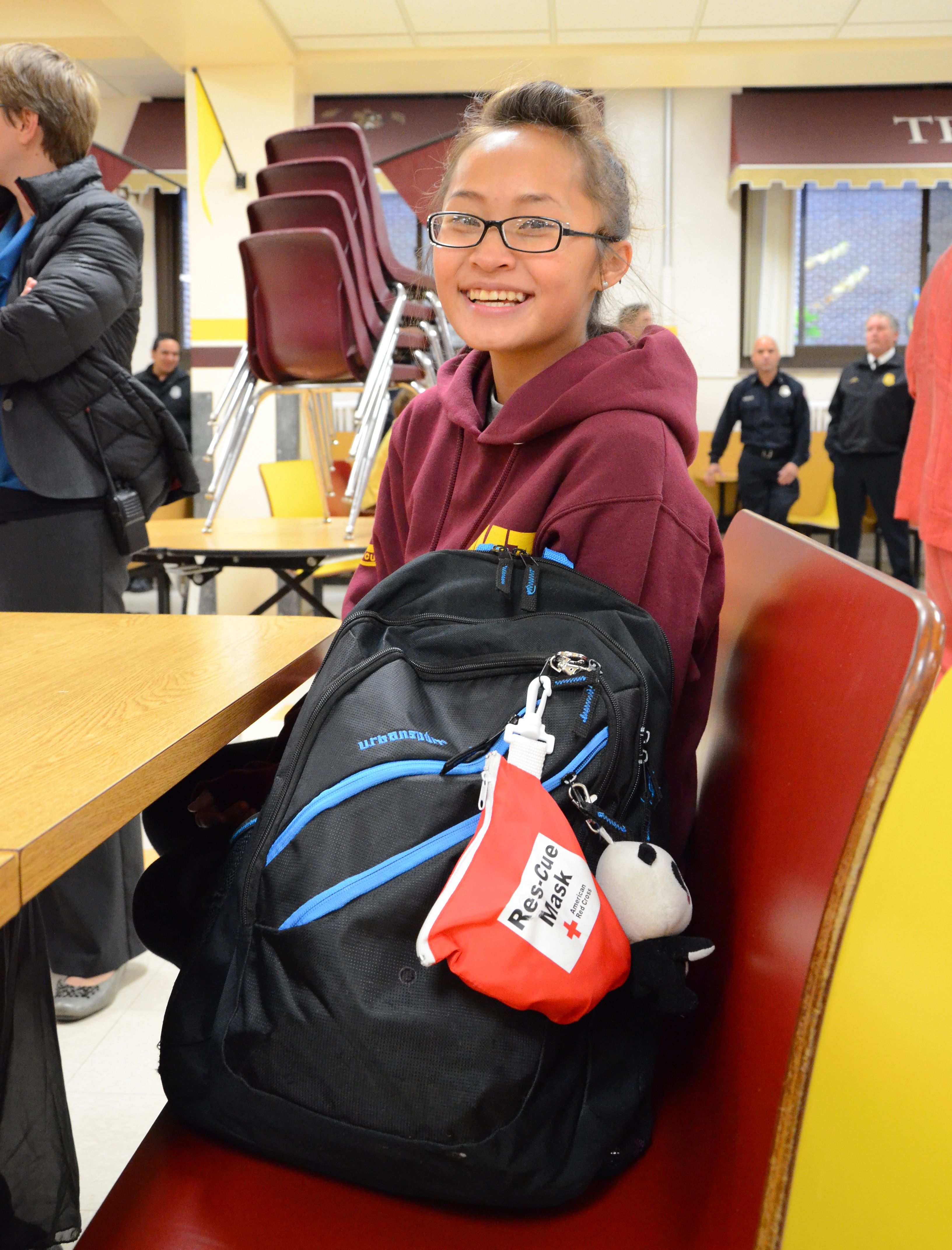
Roosevelt High School student Kalia Vang, 17, is one of 11 youth who completed the school’s first American Red Cross Emergency Medical Response (EMR) course. She received her course certificate from the Red Cross on Tuesday, October 28, 2014 in Minneapolis. Photo credit: Lynette Nyman/American Red Cross
Preparing people to respond to emergencies is one thing the American Red Cross does –and does well. Now, eleven Roosevelt High School teens are ready to help save lives after successfully completing Red Cross Emergency Medical Response (EMR) training.
The students received their course certificates during a ceremony at the high school on October 28. Minneapolis VIPs on-hand included Mayor Betsy Hodges, Fire Chief John Fruetel and Superintendent Bernadeia Johnson.
All partner representatives are very thankful for the Red Cross and its work to help the Minneapolis fire department engage with local youth, prepare teens for fire fighting and healthcare careers after graduation, and add diversity to the fire department so that it better represents the community it serves. “Without the Red Cross we would not have gone as far as we have,” says Fire Chief John Fruetel.
Also present to celebrate with the students and city officials was Red Cross instructor Steven Brown who taught the EMR course to the students. “When Steve was hired on as the instructor, I was confident that the students would be able to build a solid foundation of knowledge with Steve as their instructor,” says Kari Anderson Slade, Health Careers Program Coordinator at Roosevelt High School.
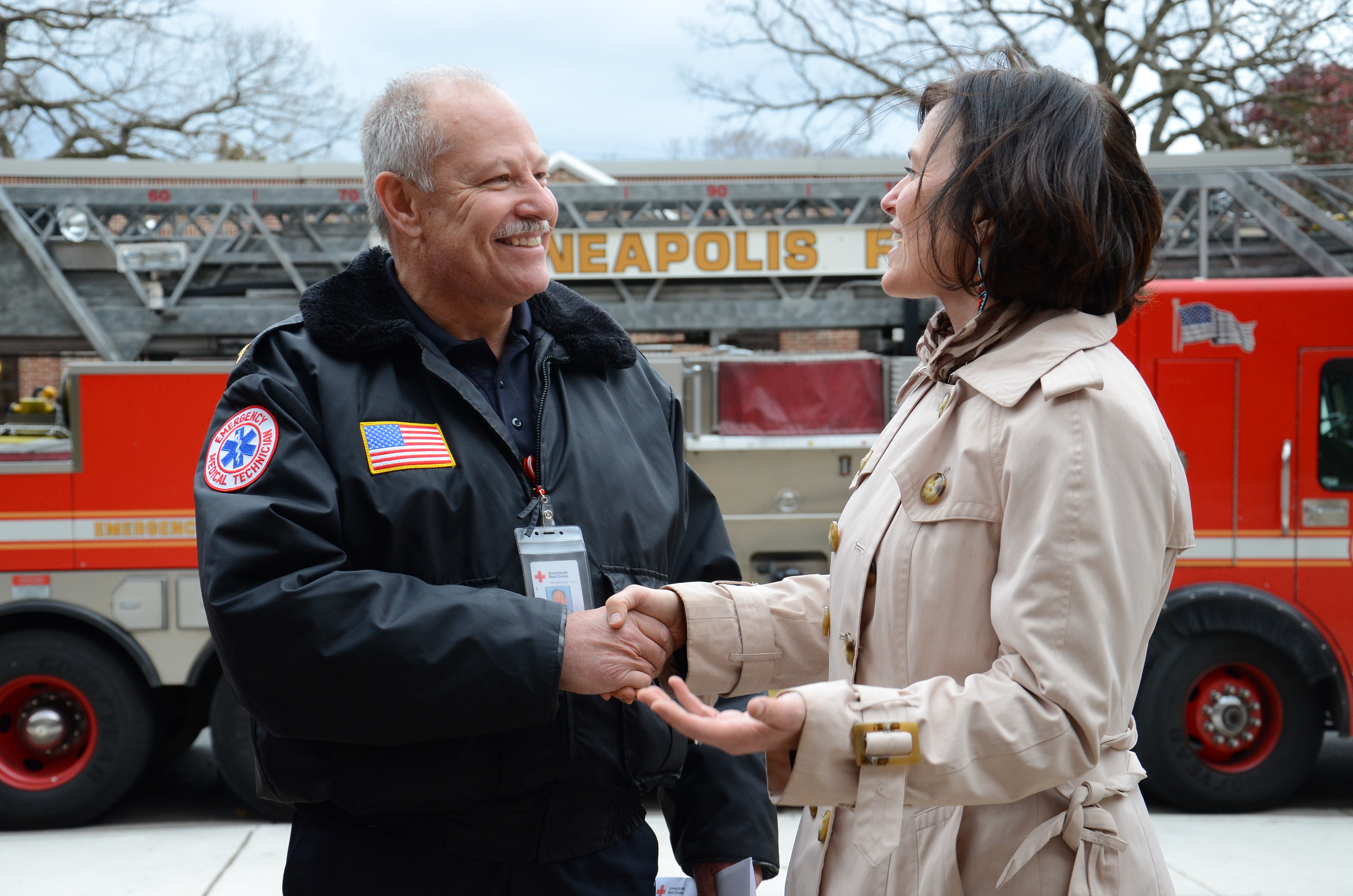
Minneapolis, Minn., Mayor Betsy Hodges thanks American Red Cross Emergency Medical Response (EMR) Instructor Steven Brown for successful EMR training of the first Emergency Medical Technician (EMT) youth group at Roosevelt High School in Minneapolis, on Tuesday, October 28, 2014. Photo credit: Lynette Nyman/American Red Cross
As the instructor for this part of their first responder training, Brown had the honor of giving the teens their course certificates. “Steve has been extremely thoughtful about his role as a teacher of EMR this fall, but has also gone beyond this to recognize the importance of EMR, in the scope of the EMT program students are taking,” says Anderson Slade.
From here, the teens move on to the second half their training with Hennepin Technical College, which will prepare them to become certified Emergency Medical Technicians (EMTs).
That is, of course, if they pass the test. If their current dedication and enthusiasm serves as an indicator of success, then they’ll likely get all As.
Click here to learn more about American Red Cross healthcare and public safety training and certification programs.
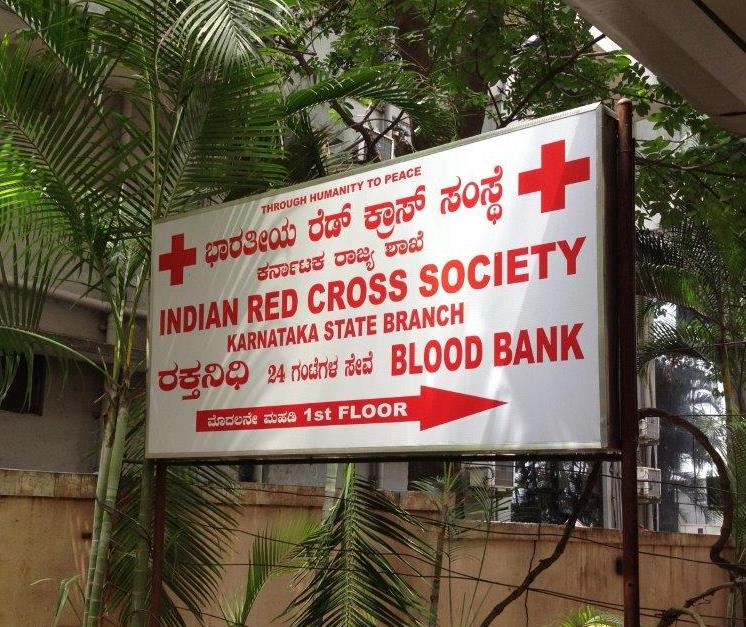
Minnesota Red Cross board member Craig Yolitz in Bangalore, India, 2014. Photo provided courtesy of Craig Yolitz.
During my recent trip to FindLaw’s Bangalore office, I had the opportunity to visit the Indian Red Cross Society headquarters for Karnataka, the state in which our office and many of our employees reside. My interest in doing so was because, as a board member for the regional Red Cross based in the Twin Cities, I wanted to see how the Red Cross in India supports the citizens of the Karnataka region.
Most of you have heard of the Red Cross (or the Red Crescent in many parts of the world). Some of you might have benefited from the organization’s work. Your exposure to the Red Cross is likely from its blood drives — which supplies around 40% of the nation’s blood products — or its relief work after tornadoes, floods, fire or other disasters. Lesser known, but equally impactful, is Red Cross lifesaving training, such as First Aid, CPR and lifeguarding; and services to military families. The Red Cross is the only recognized organization that can connect American military families with deployed service personnel in times of emergencies. And finally, the Red Cross helps reconnect families separated by crisis, conflict or migration. These efforts are best summed up by the Red Cross mission: “To prevent and alleviate human suffering wherever by mobilizing the power of volunteers and the generosity of donors.”
The global Red Cross Red Crescent 7 fundamental principles posted at the Indian Red Cross Society, Karnataka Branch, 2014. Photo credit: Craig Yolitz.
My first impression when entering the Red Cross office in Bangalore was the consistency of the mission. Just like the office in Minneapolis, the 7 fundamental principles of humanity, impartiality, neutrality, independence, voluntary service, unity and universality were posted where I entered the office. Additional similarities included the contributions to the blood supply in the state of Karnataka, disaster preparedness and response, and lifesaving training. Unique to this area was the focus on healthcare and nutrition for expectant mothers, providing eyeglasses and hearing aids to the impoverished, and administering Tuberculosis vaccinations across the region. Like the Red Cross in Minnesota, the Red Cross in Karnataka relies on donations from individuals and corporations and hundreds of volunteers to do its humanitarian work and training.
Photo credit: Craig Yolitz.
It made me feel good that the valuable services the Red Cross provides here in Minnesota holds true half-way around the world. It was a great visit.
If you’re involved with the Red Cross in your city or have benefited from the efforts of the Red Cross I would like to hear from you. Please comment below. To those who help support the Red Cross anywhere in the world — thank you.
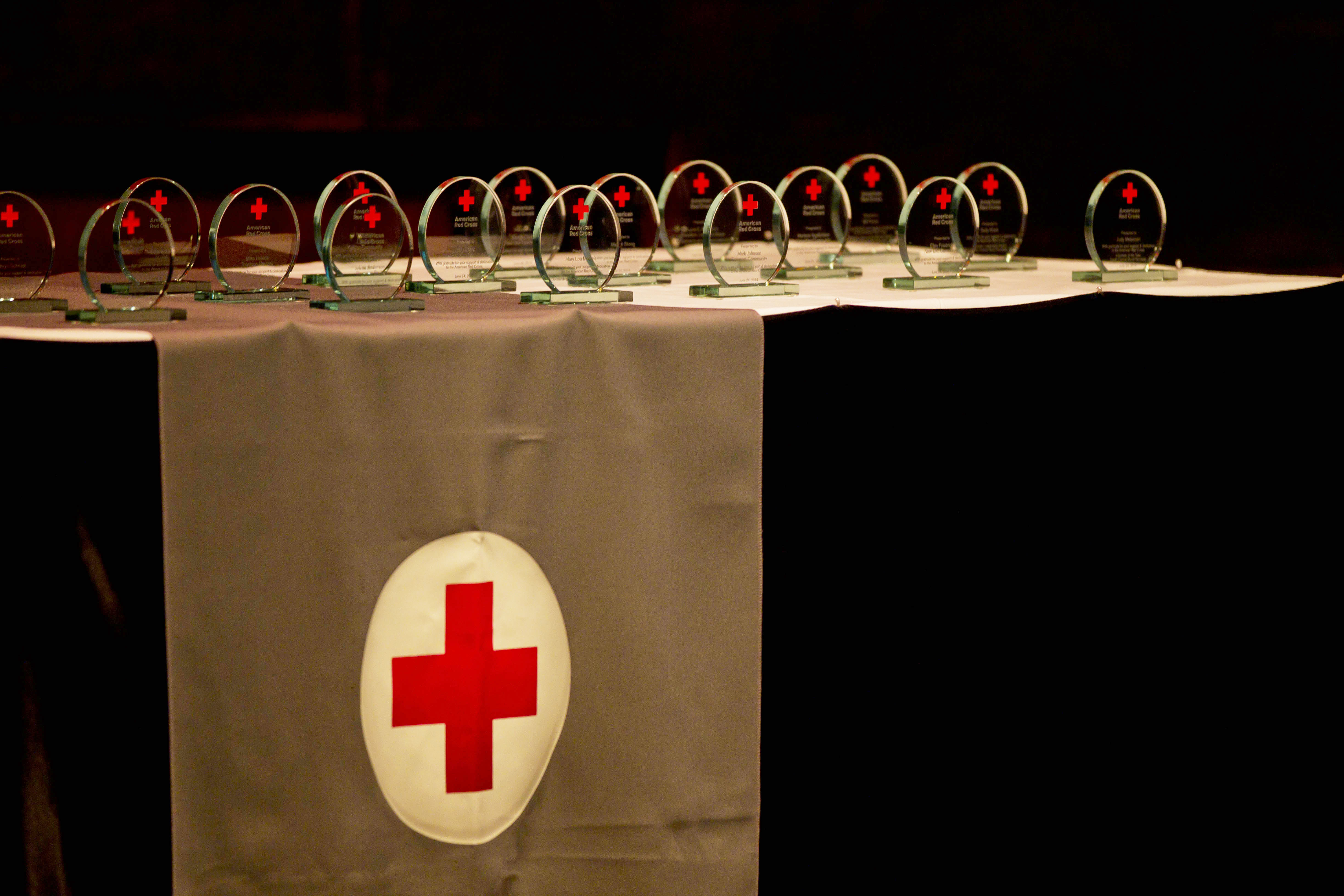
The 2014 American Red Cross Northern Minnesota Volunteer Awards at the ceremony in June. Photo credit: Andy King.
This past June 24 was a special night during our 2014 Volunteer Recognition event. That night 21 volunteers from our Red Cross region were honored for their outstanding service.
These volunteers were recognized for their generous dedication of fulfilling the Red Cross mission to prevent and alleviate human suffering in the face of emergencies.
These volunteers take time to teach, prepare and help their neighbors. They are among 1,100 volunteers giving time and expertise in a Red Cross region that serves more than 4.3 million people in 43 counties in northern Minnesota and western Wisconsin.
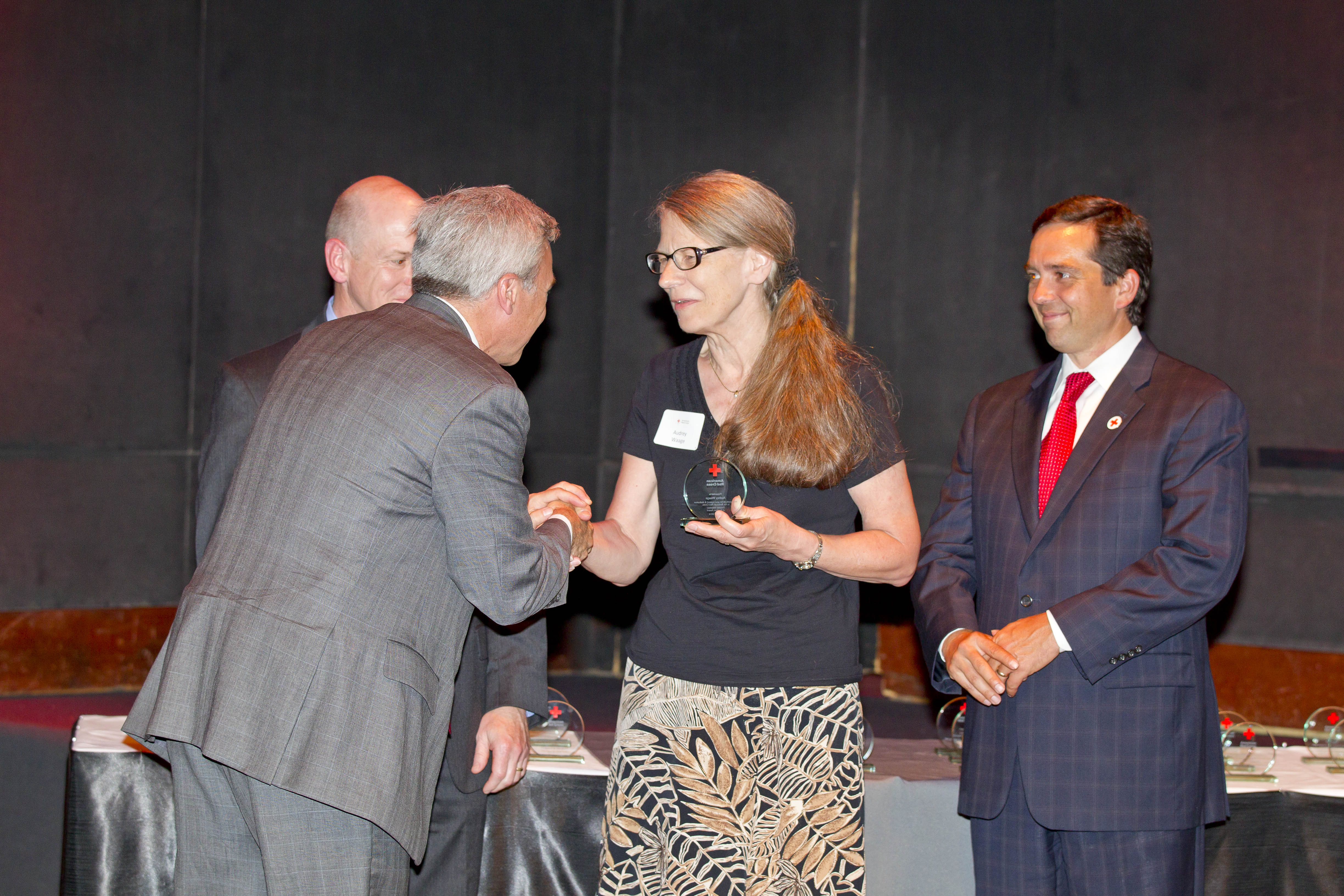
Audrey Waage, center. Photo credit: Andy King.
They are moms and dads, high school and college students, and friends and family members who care about their communities and are ready to serve every day. Some of the words that describe these individuals include: “humble, compassionate, fearless, enthusiastic, creative thinkers, engagers, teachers, and mentors.”
The Red Cross thanks this year’s volunteer honorees and all of those who give time to help others often in their greatest time of need.
The 2014 volunteer recipients and their award categories:
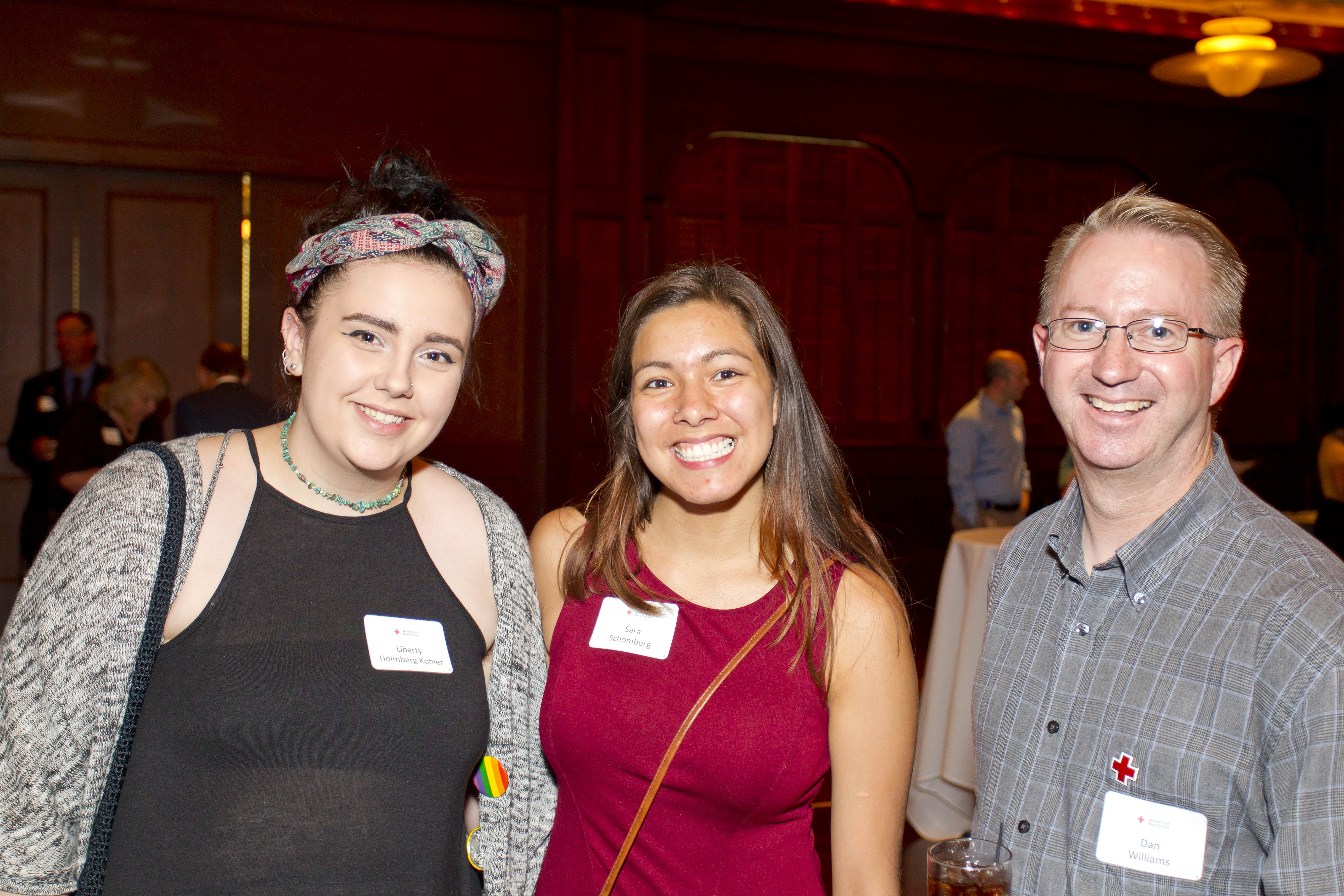
Sara Schomburg, center. Photo credit: Andy King.
Diane Dunder: Distinguished Volunteer Leader of the Year Award
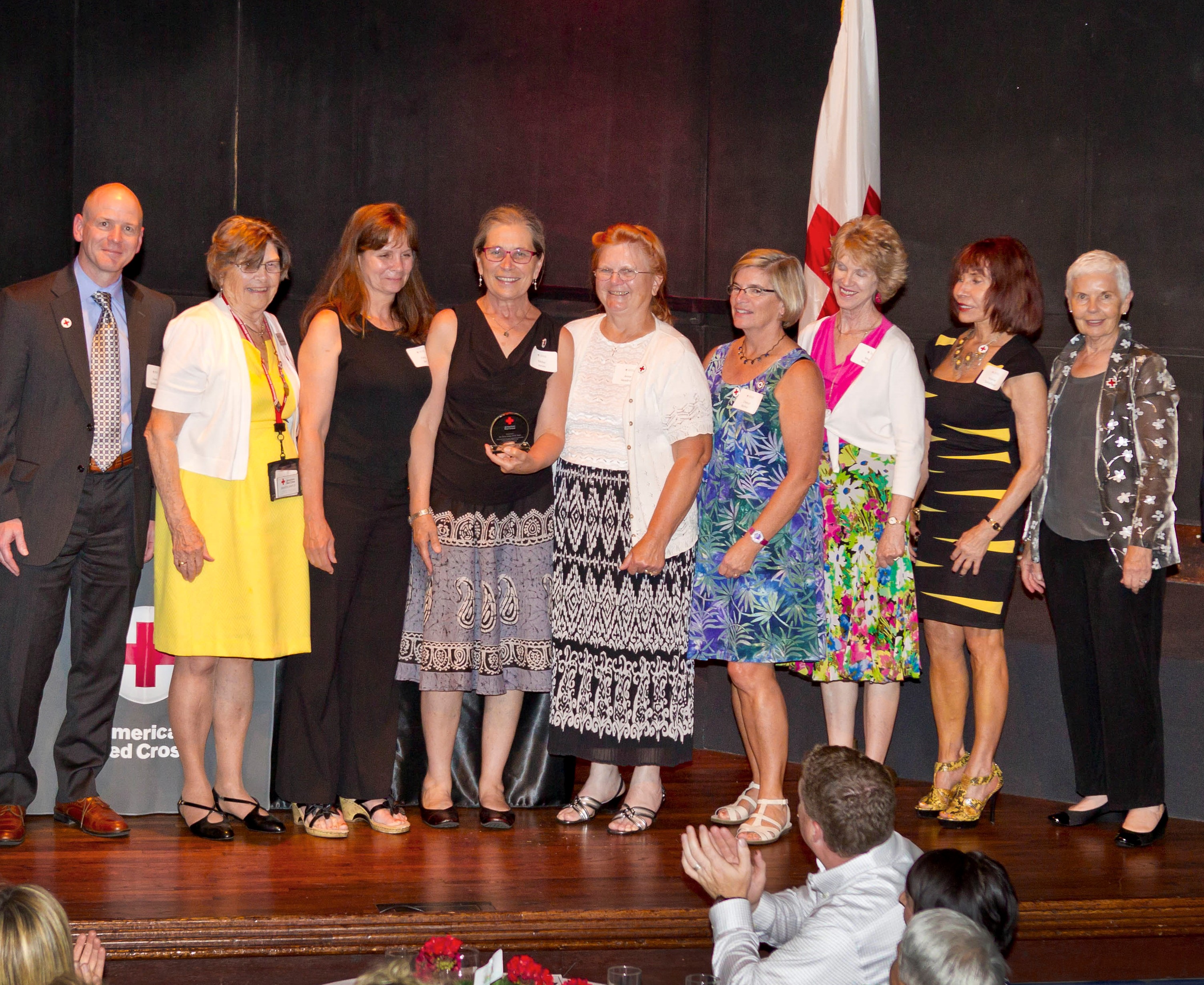
Outstanding Volunteer Group Award: St. Croix Valley Disaster Health Nurses Anne Headrick, Mary Menter, Patricia Bell, Maria Saterbak, Millie Jones, Nancy Mortwedt, Jane Norbin, Cheryl Blythe, Flora Holmberg, Roger Jacobson, Dianne Polasik, Iona Holsten and Vonnie Thomas
Tami Jensen: “Behind-the-Scenes” Volunteer Award
Sara Schomburg: Youth Volunteer Award
Audrey Waage: Disaster Volunteer Award
St. Croix Valley Disaster Health Nurses. Photo credit: Andy King.
Dave Adriansen: Health and Safety Recognition Award
Pj Doyle and Kathryn Schmidt: Outreach Volunteer Award
Randi De Mel: Rookie Volunteer-of-the-Year Award
A region-wide committee comprised of staff and volunteers reviewed the nominees in each category and voted on a winner.
Post by Eduardo Sanchez Beltran/American Red Cross. Click here to learn more about Red Cross volunteer opportunities.
 Throughout March 2015, U. S. Bank is making it easy for its customers to support the important work of the American Red Cross. All month long, customers can make a financial donation to support Red Cross Disaster Relief at more than 5,000 designated U.S. Bank ATMs nationwide.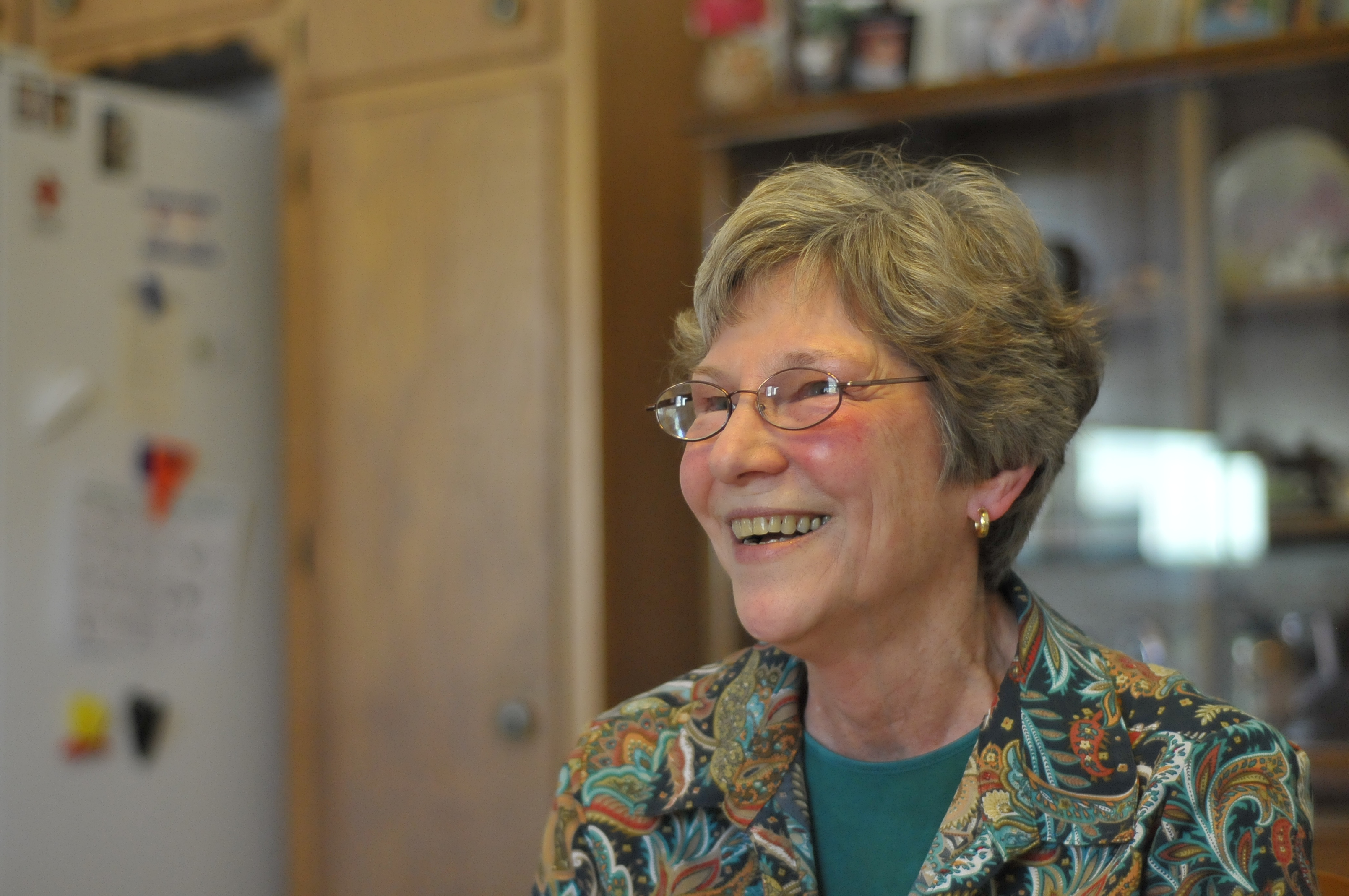






 American Red Cross Minnesota and Dakotas Region